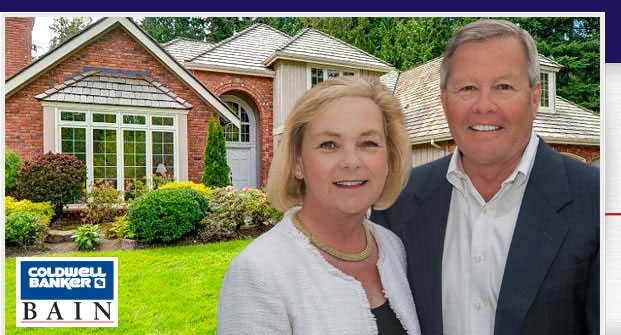


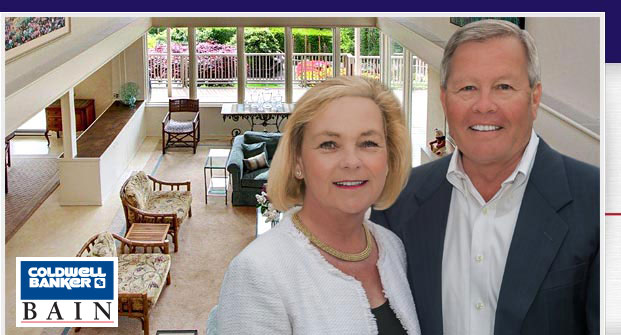
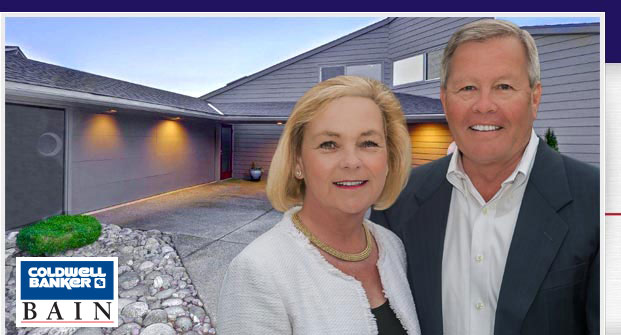



Welcome to Wangsness Connections, your connection to the finest homes and condominiums for sale in Seattle, and Seattle-Eastside communities of Bellevue, Medina, Issaquah, Clyde Hill, Capitol Hill, Madison Park, Laurelhurst, Magnolia, Queen Anne, Alki, Lake Washington, Lake Sammamish, Woodinville, and Kirkland.
View our featured properties , search for homes and condominiums for sale throughout the Seattle, Bellevue and Seattle Eastside area, check out our gallery of previously sold homes , listen to our weekly Northwest Real Estate Connections Radio Show , get access to extensive library of videos , audio and articles containing helpful buying, selling and home remodeling tips, and view upcoming Seattle area events .
Planning to sell a fine home in Seattle, Bellevue or on the Eastside? A pre-listing home inspection can turn hidden uncertainty into a documented advantage before buyers begin competing. It is a detailed, independent review of the property’s condition, completed early enough for the seller to repair problems, price accurately and present the home at its strongest. For Australian buyers accustomed to building reports before exchange, the principle is familiar; the Seattle-specific risks and sales process are not.
That early timing matters. A report prepared after the listing launches may still inform negotiations, but it leaves little room to fix defects, update disclosures or improve presentation. Used properly, the inspection helps buyers see a well-prepared property and gives sellers confidence that fewer issues will derail the contract. It does not guarantee a quick sale, yet it can reduce friction, shorten negotiations and make a luxury sale more straightforward.
The inspection should take place before the property is photographed, marketed or offered to buyer agents. This allows the seller to address structural concerns, failed systems and visible defects while there is still time to budget for repairs. It also gives the listing agent reliable information when recommending an asking price, rather than relying on assumptions or the seller’s preferred outcome.
A pre-listing inspection is separate from the buyer’s own property inspection. It establishes an early, documented understanding of the home, but it does not replace each buyer’s due diligence or the inspections required under the purchase contract. Its value lies in giving buyers a credible starting point and reducing the likelihood that every serious purchaser will commission a fresh investigation from scratch.
The seller should provide the full report, supporting invoices and relevant warranties to the listing agent. Buyers are more likely to feel confident when the information is transparent, current and easy to review. In a luxury market, where buyers expect a high standard of care, that transparency can be more persuasive than another polished marketing sentence.
A comprehensive inspection normally covers the structure, exterior, roof, drainage, electrical systems, plumbing, heating and cooling. Inspectors also look for signs of moisture intrusion, pest activity, unsafe modifications and defects concealed behind finished surfaces. Seattle’s wet winters make drainage, ventilation, gutters and water intrusion particularly important areas of scrutiny.
Luxury homes require attention to detail beyond the basics. Buyers may be concerned about ageing custom cabinetry, premium appliances, smart-home systems, radiant heating, wine storage, home offices and outdoor entertaining spaces. An inspector can identify whether these features appear operational, whether permits are available and where specialist servicing or maintenance may be needed.
Not every finding requires major work. A report may distinguish immediate safety issues from ordinary maintenance, recommend monitoring over replacement or note that a licensed tradesperson should assess an item. This gives the seller a practical repair list and prevents minor observations from being treated as equivalent to serious defects. Buyers can then focus their due diligence on genuine uncertainties rather than repeating work already documented.
Luxury buyers are purchasing confidence as much as floor space. When the condition of a property is clear, purchasers can assess value without waiting for surprises, requesting every document or extending negotiations over unresolved defects. That efficiency can be decisive when several buyers want a similar home in a tightly contested market.
A well-prepared report can also support the asking price. If a home has recently received structural work, a new roof or a serviced mechanical system, the seller can show buyers why the property deserves its premium. Conversely, an honest report can prevent an unrealistic price that attracts inspections, renegotiations and withdrawn offers. Accurate pricing attracts better-matched buyers and reduces the time the property spends on the market.
Speed comes from fewer surprises, not from skipping due diligence. Serious buyers will still investigate foundations, radon testing, electrical panels, drainage and other area-specific matters. The difference is that a seller who has already addressed known concerns can respond with evidence. Patricia and David Wangsness use that kind of preparation to keep buyers focused on the home’s merits and the terms of the sale.
Australian sellers often approach inspections through the language of due diligence, defects, maintenance and building reports. Many also expect a conveyancer or solicitor to guide the contract and settlement process. Seattle offers a comparable emphasis on professional review, although the legal framework differs: purchases commonly move through escrow, with inspections, financing and title work completed before closing.
The sales culture is different too. Sydney and Melbourne buyers are familiar with auctions and rapid campaign timelines, while luxury property in Seattle is generally marketed through private negotiations and buyer-agent offers. A seller arriving from Australia may therefore need to plan photography, private showings and agent outreach earlier than they would for a fast auction campaign. Advance inspection information helps create momentum in that process.
Neighbourhood context matters just as much as the building itself. For condo buyers weighing location, this guide to walkable Seattle neighbourhoods provides useful background on how daily convenience affects a luxury purchase. Local conditions can affect buyer confidence because weather exposure, access, parking, nearby development and the surrounding homes all influence long-term value.
Washington sellers are expected to make required disclosures, and incomplete or misleading information can create significant legal and financial exposure. A pre-listing inspection should support the disclosure process rather than replace it. The seller can use the report to identify known conditions and gather documents such as repair invoices, maintenance records, permits and warranty paperwork.
Accurate records also reduce opportunities for conflict later in the transaction. A buyer who learns of a previously documented roof repair is unlikely to treat it as a concealed defect. If an unresolved issue remains, both parties can address it through price, escrow conditions or a clearly planned repair. This is generally more efficient than allowing the issue to emerge late and turn a straightforward contract into a dispute.
International buyers may also compare legal processes across jurisdictions. An example outside Australia, this explanation of the property transfer process demonstrates how registration and transfer requirements vary by location. Seattle buyers should work with qualified local professionals and understand escrow, title clearance and state disclosure obligations rather than assuming another country’s conveyancing rules apply.
Australian condo owners will recognise the importance of body corporate records, strata levies and building-wide maintenance. In Seattle, condominium association dues and governing documents play a similar role. Buyers should review reserve funding, insurance coverage, planned capital work, meeting minutes and any pending assessments before committing to a unit.
A pre-listing inspection of the individual condo can complement, but not replace, association documents. The inspector may evaluate doors, windows, plumbing fixtures, ventilation and moisture risks inside the unit. The seller can separately document the condition of common areas, roof, elevators, parking and other shared systems. Together, these materials show buyers that both the private residence and the building have been properly maintained.
The payment structure also differs from Australia. A condo buyer generally pays a monthly association fee rather than a strata levy, while lenders and conveyancers assess the building’s financial position during settlement. If the association has deferred maintenance or insufficient reserves, a discount or additional security may be requested. Early inspection and document preparation make these risks visible before they become last-minute contract issues.
Choose the inspector before the marketing campaign, not after an offer is accepted. Look for relevant credentials, local experience, strong communication and the ability to explain both technical findings and their implications. Tell the inspector about the property’s age, renovations, known maintenance history and luxury systems so the review can be appropriately focused.
Repair the obvious issues first. Replace leaking fittings, correct unsafe wiring, service ageing equipment, clear blocked drains and document completed work. Some problems may require a licensed specialist, such as a structural engineer, electrician, plumber or mould remediator. Receipts and permits show buyers that corrective work was completed properly rather than concealed before the inspection.
Finally, allow time for the inspection, repairs, disclosures and listing preparation to fit together. The goal is not to create a perfect property or promise a faster outcome to every seller. It is to present a well-understood home whose strengths can be evaluated without avoidable uncertainty.
A pre-listing home inspection can give a luxury sale the clarity it needs to stand out in Seattle’s competitive market. It helps establish an informed asking price, answers common buyer concerns and reduces the risk of negotiations being delayed by surprises.
If you are preparing a fine home, condominium or luxury property in Seattle, Bellevue or a nearby Eastside community, contact Patricia and David Wangsness to arrange a pre-listing consultation and build a focused inspection and marketing plan.

Listen live to Patricia and David's radio show Northwest Real Estate Connections every Wednesday from 3-4 PM Pacific Time on AM 1300 KKOL [ Listen Live ], and 1:00 pm to 2:00 pm every Sunday on Freedom AM1590.

A unique webshow is devoted to the Art, Science and Timing of Real Estate.
View our latest show where Professional photographer Drew Rice gives tips and advice for preparing your home for a photoshoot.. | [ View Now ]
Sign up for our Email Newsletter
