



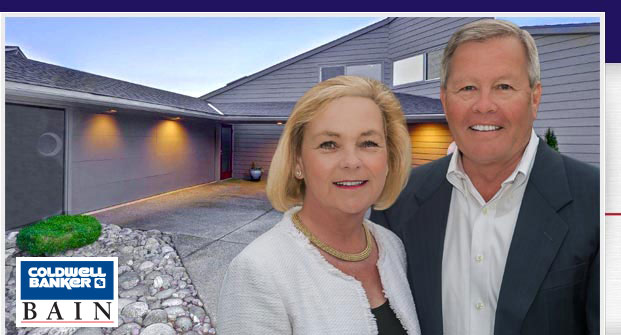



Welcome to Wangsness Connections, your connection to the finest homes and condominiums for sale in Seattle, and Seattle-Eastside communities of Bellevue, Medina, Issaquah, Clyde Hill, Capitol Hill, Madison Park, Laurelhurst, Magnolia, Queen Anne, Alki, Lake Washington, Lake Sammamish, Woodinville, and Kirkland.
View our featured properties , search for homes and condominiums for sale throughout the Seattle, Bellevue and Seattle Eastside area, check out our gallery of previously sold homes , listen to our weekly Northwest Real Estate Connections Radio Show , get access to extensive library of videos , audio and articles containing helpful buying, selling and home remodeling tips, and view upcoming Seattle area events .
For condo buyers, walkability is more than a lifestyle preference. It can shape daily convenience, transportation costs, resale appeal, and the kind of home that makes sense for a changing schedule. In Seattle, a walkable address may place cafés, grocery stores, parks, transit, and waterfront paths within a few blocks.
Seattle’s top five walkable neighborhoods for condo buyers include Downtown, Belltown, Capitol Hill, Lower Queen Anne, and Ballard. Each offers a different version of urban living, from high-rise convenience and cultural attractions to neighborhood restaurants and independent shops.
The best choice depends on how you use your home. A buyer who wants a short commute and full-service amenities may prefer the central core, while someone seeking a quieter residential atmosphere may find Ballard or Lower Queen Anne more comfortable. Building quality, homeowners association finances, parking, noise, and long-term plans deserve equal attention.
Downtown Seattle remains a strong option for buyers who want a highly connected condo lifestyle. Residents can walk to offices, Pike Place Market, the Seattle Art Museum, the waterfront, major retailers, restaurants, and light rail. The area’s evolving waterfront and transit improvements may also influence how certain buildings perform over time.
Condo inventory ranges from older buildings with character to newer towers offering concierge services, fitness centers, secure parking, and common lounges. Buyers should compare monthly dues carefully because extensive amenities, staffing, elevators, and building systems can affect operating costs.
Downtown living is particularly practical for professionals who work in the central business district or commute by transit. Buyers who value quiet evenings should visit prospective properties at different times, since traffic, events, nightlife, and construction can vary significantly from weekday mornings to weekend nights.
Belltown sits between Downtown and Seattle Center, creating an especially convenient setting for buyers who want restaurants, entertainment, and cultural destinations nearby. A short walk can lead to the waterfront, Olympic Sculpture Park, Climate Pledge Arena, theaters, and the shops around Pike and Pine Streets.
The neighborhood has a broad selection of condominium buildings, including converted structures and modern high-rises. Floor plans may range from compact studios to expansive luxury residences with views of Elliott Bay, the Space Needle, or the Olympic Mountains. Buyers should examine sound insulation, rental policies, pet rules, and the condition of shared facilities.
Belltown can appeal to owners who prefer an active city setting and plan to spend much of their free time close to home. A careful building review is essential, especially in older properties where exterior maintenance, elevators, plumbing, and reserve funding can affect future assessments.
Capitol Hill combines some of Seattle’s best transit access with a dense mix of restaurants, coffee shops, music venues, bookstores, markets, and neighborhood services. Link light rail connects the area with Downtown, the University District, Sea-Tac Airport, and other parts of the region, making car-free or car-light living more realistic.
Condo buyers can find everything from vintage brick buildings and small boutique developments to newer residences with rooftop decks, package rooms, and coworking areas. Streets vary considerably, so a home near Volunteer Park may feel very different from one close to Pike-Pine nightlife.
This neighborhood suits buyers who want a strong sense of activity and easy access to local businesses. During showings, evaluate natural light, street noise, storage, and the distance to transit entrances. A unit’s exact position within the building can matter as much as the neighborhood itself.
Lower Queen Anne, also known as Uptown, offers a walkable balance of residential streets, entertainment, green space, and city access. Residents can reach Seattle Center, museums, theaters, restaurants, cafés, and the waterfront without relying on a car for every errand. Kerry Park and Queen Anne’s broader network of parks add recreational appeal nearby.
Condominiums in the area include established mid-rise buildings, newer developments, and homes with views toward Downtown, Elliott Bay, or the Space Needle. The neighborhood can be attractive to buyers who want a calmer atmosphere than Belltown while remaining close to major attractions and employment centers.
Event schedules should be part of the due diligence process. Concerts, festivals, and games can bring periodic traffic and crowds, especially near Seattle Center. Buyers should also test the walk to groceries, transit, and daily services rather than judging convenience solely from a listing map.
Ballard provides a more residential interpretation of walkable living. Its central streets are lined with restaurants, breweries, cafés, boutiques, fitness studios, and essential services. The Ballard Farmers Market, nearby parks, and access to the locks and waterfront contribute to a strong neighborhood identity.
Condo choices often include smaller buildings and boutique developments rather than the concentration of towers found downtown. That can mean a more intimate setting, though buyers may need to compromise on full-service amenities or secure parking. New construction and redevelopment have also expanded housing options in selected parts of the neighborhood.
Ballard is a good fit for buyers who want to walk for dining and errands while maintaining a less intensely urban feel. Commute patterns deserve close consideration because light rail service is not currently as direct as in Capitol Hill or Downtown. Bus routes, bicycle access, and proximity to major arterials can make a meaningful difference.
| Neighborhood | Walkability Strength | Condo Character | Best Suited To |
|---|---|---|---|
| Downtown | Transit, waterfront, offices, shopping | High-rises and luxury towers | Commuters and amenity-focused buyers |
| Belltown | Dining, arts, waterfront, entertainment | High-rises and converted buildings | Active urban lifestyles |
| Capitol Hill | Light rail, dining, parks, services | Vintage condos and newer developments | Car-light buyers and culture seekers |
| Lower Queen Anne | Seattle Center, parks, restaurants | Mid-rise and view-oriented homes | Buyers wanting culture with a residential feel |
| Ballard | Local shops, dining, markets, parks | Boutique and smaller condo buildings | Neighborhood-oriented buyers |
A high walkability rating does not automatically make a condo the right purchase. Buyers should assess the actual walking route, including hills, busy intersections, sidewalks, lighting, and winter weather exposure. The most useful question is whether the location supports the errands and routines that matter most to the household.
Building documents can reveal information that is not visible during a showing. Review the reserve study, meeting minutes, budget, insurance coverage, pending assessments, litigation, rental cap, and maintenance history. In a condominium, the financial health of the homeowners association can affect both ownership costs and future marketability.
Parking and storage also deserve a realistic evaluation. A buyer who expects to reduce driving may not need two parking spaces, while someone traveling regularly to Bellevue or other Eastside communities may value secure parking highly. Electric vehicle charging, bicycle storage, package handling, guest parking, and in-unit laundry can influence everyday satisfaction.
A local professional can help connect neighborhood preferences with building-level details and future resale considerations. Buyers can also review client testimonials to understand how an agency has supported people through purchases, sales, and relocation decisions.
The strongest neighborhood choice usually comes from ranking priorities before touring properties. Price range, commute, desired square footage, outdoor space, parking, noise tolerance, and access to transit may point toward different parts of Seattle. A clear ranking helps prevent attractive finishes or dramatic views from overshadowing practical concerns.
Use these criteria when comparing walkable condo locations:
Buyers relocating to Seattle should add commute testing to their search process. A neighborhood that feels ideal on a Saturday may be less convenient when traveling to an office, school, medical facility, or airport. Exploring both Seattle and nearby Eastside communities can also clarify whether urban walkability or regional access better fits the household.
Walkable condos can offer convenience, connection, and enduring appeal when the location and building are carefully matched. Connect with Wangsness Connections to compare available homes, understand neighborhood tradeoffs, and move toward a Seattle condominium purchase with local guidance.

Listen live to Patricia and David's radio show Northwest Real Estate Connections every Wednesday from 3-4 PM Pacific Time on AM 1300 KKOL [ Listen Live ], and 1:00 pm to 2:00 pm every Sunday on Freedom AM1590.

A unique webshow is devoted to the Art, Science and Timing of Real Estate.
View our latest show where Professional photographer Drew Rice gives tips and advice for preparing your home for a photoshoot.. | [ View Now ]
Sign up for our Email Newsletter
