



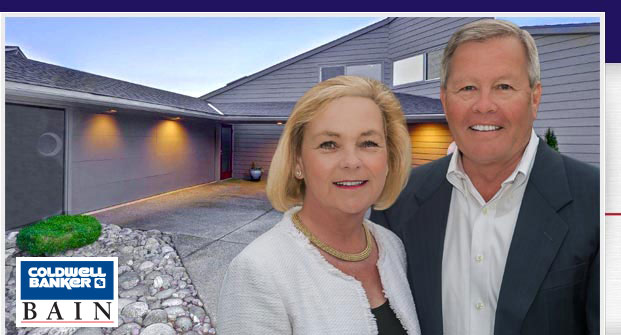



Welcome to Wangsness Connections, your connection to the finest homes and condominiums for sale in Seattle, and Seattle-Eastside communities of Bellevue, Medina, Issaquah, Clyde Hill, Capitol Hill, Madison Park, Laurelhurst, Magnolia, Queen Anne, Alki, Lake Washington, Lake Sammamish, Woodinville, and Kirkland.
View our featured properties , search for homes and condominiums for sale throughout the Seattle, Bellevue and Seattle Eastside area, check out our gallery of previously sold homes , listen to our weekly Northwest Real Estate Connections Radio Show , get access to extensive library of videos , audio and articles containing helpful buying, selling and home remodeling tips, and view upcoming Seattle area events .
Knowing how to use comparative market analysis to price a luxury home correctly starts with turning sales evidence into a defensible price range, rather than selecting a round figure that merely feels optimistic. A comparative market analysis, or CMA, compares a property with recent nearby sales, current competition and the features buyers are rewarding now. For a luxury home, accuracy depends on close matches and transparent adjustments for floor area, aspect, lot size, parking, condition and location.
Australian clients often arrive with terms learned in Sydney, Melbourne or Brisbane: price guides, vendor expectations, auctions and a close eye on stamp duty and contract conditions, including cooling-off rights where they apply. Seattle works differently, with list prices, written offers and a transaction process commonly built around escrow and due diligence rather than the usual auction format. Translating those expectations prevents a sensible overseas budget from becoming an unrealistic first offer.
A strong CMA separates several signals: what a seller originally asked, what competing homes are asking now, what buyers have recently paid and what those sales produced after concessions. The distinction matters because luxury properties rarely sell at the number printed on a brochure.
| Evidence | What it contributes | How to interpret it |
|---|---|---|
| Closed sale | A verified contract price | Give it the most weight after checking its date, terms and concessions. |
| Active listing | The current alternative set | Shows competition and the likely ceiling, not a completed value. |
| Pending sale | A newly contracted trend | Useful when recent closed data is limited. |
| Original list price | The seller's opening position | A large gap to the sale price can signal negotiation. |
| Price per square foot | A rough comparability measure | Do not apply it mechanically to irregular floor plans. |
| Seller concessions | Credits or other givebacks | The net effective price may be below the headline sale price. |
A useful report reconciles these signals into a supportable market-value range instead of averaging every number. If comparable homes are selling quickly, active inventory is limited and sellers are rarely reducing prices, demand supports the upper end of the range. If listings are lingering or price cuts are common, a lower and more flexible range is more credible.
A CMA is a pricing aid, not a formal appraisal. A lender, court or estate matter may require an independent licensed appraisal, and a real estate professional should explain the limits of the analysis before it guides an offer.
Begin with the relevant submarket, not a citywide average. Bellevue includes sharply different pockets such as Medina, Clyde Hill and Yarrow Point, while Eastside demand also shifts among Kirkland, Redmond and Sammamish. A home with a particular street, view or school assignment may sit in a tighter pricing band than its floor area suggests.
Australian buyers may begin with the idea of a property inside a school catchment. Seattle uses assigned attendance zones, but price also follows blocks, commute times, shoreline access and proximity to services. Check the exact location and then select comparable sales that buyers themselves would regard as genuine alternatives.
For a low-turnover luxury area, an older but highly similar sale may be more useful than a newer, weaker match. Adjust for market conditions and verify whether a sale was arms-length, cash, financed or influenced by unusual terms.
Start with measurable differences. Price per square foot can reveal whether a property appears over or under the local range, but it is only a prompt for closer investigation. Australian clients often compare square metres; one square metre equals about 10.76 square feet, so a price-per-square-metre figure needs conversion rather than direct substitution.
Translate important features into buyer impact. A protected outlook, renovated kitchen, primary suite, elevator, secure parking, guest dwelling and usable outdoor space can carry different premiums from one neighbourhood to another. Recent buyer feedback and paired sales are stronger evidence than a fixed dollar allowance invented at the kitchen counter.
Then reconcile concessions. A sale price funded by a closing credit, assumption of a lease, unusual financing or a delayed build-out is not economically identical to an uncomplicated sale. Adjusting the gross price without recording those terms can distort the final recommendation.
Current activity tells you which way the market is moving. Compare active listings with recent closed and pending sales, track days on market and note every price reduction. In Seattle, a month of strong traffic says little if most homes are languishing; contract velocity is a clearer signal than portal views or inquiry volume.
Australian “price guide” language needs careful translation. A guide usually frames auction expectations, while a Seattle list price is one component of a negotiable offer process. Sellers may price at, above or below the CMA range to create leverage, so buyers should judge the total offer against comparable contracts, not the advertised figure.
Seasonality and financing conditions matter too. Mortgage rates, inventory and the arrival of new construction can shift demand quickly, which is why a CMA based only on last quarter's final prices may lag the market a buyer is entering today.
Match the analysis to the legal and practical realities of Washington. A Seattle purchase commonly moves through escrow, with an earnest-money deposit, inspection and title work. This differs from the buyer due diligence familiar in Australia, and Washington's buyer protections should be reviewed with the brokerage rather than assumed from a Victorian or New South Wales contract.
Model the complete holding cost as well as the purchase price: property tax, homeowners association dues where applicable, insurance, utilities, maintenance and any planned renovation. Unlike a typical Australian purchase, there is no stamp duty on the buyer's side in Washington, but escrow, title and lender charges still affect cash needed. Budgeting in Australian dollars should also model exchange-rate movement; a lower USD price can lose ground if the Australian dollar weakens before settlement.
Finance can shape both the offer and the eventual equity position. For Eastside buyers comparing repayment structures, this guide to building equity faster is a useful companion to the CMA, while a lender should test the shorter term against cash flow, fees and the risk of refinancing later.
For a seller, the CMA should produce a range with a recommended positioning point, not a single guaranteed result. Choose a list price that attracts the right buyers while preserving room for the features and terms that may emerge during negotiation. Review the response as the campaign develops, including showings, offer volume and buyer comments.
For a buyer, use the same evidence to decide what the property is worth before deciding what you can afford. Identify the strongest comparable sales, document each adjustment and set an offer ceiling based on value, competition and the risks visible during inspection. Pre-approval and early access to off-market listings can then put that strategy into action.
Wangsness Connections, led by Patricia and David Wangsness, can prepare a tailored comparative market analysis for a Seattle, Bellevue or nearby Eastside home, or guide an Australian buyer through relocation, property searches and offer strategy. Their experience with fine homes, condominiums and luxury listings keeps the focus on meaningful differences between properties.
Contact Patricia and David with the property address, your preferred timing and the outcome you need. You will receive a clearer pricing range, a stronger negotiating plan and the information required to move confidently from comparison to a well-prepared offer.

Listen live to Patricia and David's radio show Northwest Real Estate Connections every Wednesday from 3-4 PM Pacific Time on AM 1300 KKOL [ Listen Live ], and 1:00 pm to 2:00 pm every Sunday on Freedom AM1590.

A unique webshow is devoted to the Art, Science and Timing of Real Estate.
View our latest show where Professional photographer Drew Rice gives tips and advice for preparing your home for a photoshoot.. | [ View Now ]
Sign up for our Email Newsletter
