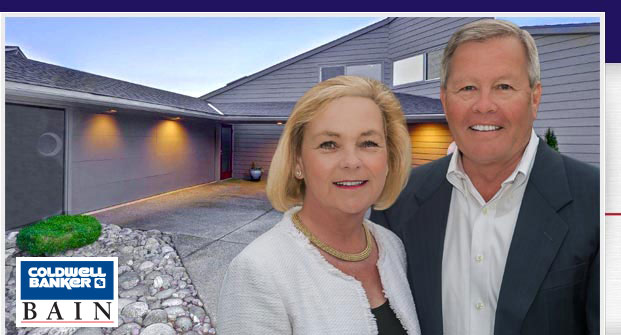



Welcome to Wangsness Connections, your connection to the finest homes and condominiums for sale in Seattle, and Seattle-Eastside communities of Bellevue, Medina, Issaquah, Clyde Hill, Capitol Hill, Madison Park, Laurelhurst, Magnolia, Queen Anne, Alki, Lake Washington, Lake Sammamish, Woodinville, and Kirkland.
View our featured properties , search for homes and condominiums for sale throughout the Seattle, Bellevue and Seattle Eastside area, check out our gallery of previously sold homes , listen to our weekly Northwest Real Estate Connections Radio Show , get access to extensive library of videos , audio and articles containing helpful buying, selling and home remodeling tips, and view upcoming Seattle area events .
A 15-year mortgage can help Eastside homeowners build equity at an accelerated pace, but the strategy depends on more than choosing a shorter loan term. Buyers in Bellevue, Kirkland, Redmond, Sammamish, Issaquah, and nearby communities must weigh monthly affordability, future mobility, property taxes, maintenance costs, and the possibility of changing interest rates.
Equity grows through two channels: the portion of each payment applied to principal and any increase in the property’s market value. A shorter fixed-rate mortgage usually directs substantially more money toward principal from the beginning, allowing homeowners to reduce their loan balance quickly even when appreciation is modest.
The approach can be particularly useful for buyers who expect to remain in the region for many years, have stable income, and want to reduce interest expenses. It requires careful planning, however, because the monthly payment is considerably higher than that of a comparable 30-year loan.
Home equity represents the difference between a property’s current value and the outstanding mortgage balance. In a competitive market with high-value homes and condominiums, that equity can become a significant financial resource. Owners may eventually use it to fund a move, support a remodel, purchase another property, or strengthen long-term financial security.
Eastside values vary by neighborhood, property type, school access, commute patterns, and proximity to employment centers. Bellevue’s downtown condominium market operates differently from single-family neighborhoods in Sammamish or Kirkland. Since appreciation is never guaranteed, a sound equity strategy should rely primarily on manageable debt reduction rather than optimistic projections about future prices.
A 15-year loan also reduces the total interest paid over the life of the mortgage. The faster amortization schedule means less time for interest to accumulate, although the savings depend on the interest rate, loan amount, closing costs, and how long the homeowner keeps the mortgage.
A mortgage payment consists mainly of principal and interest, with taxes, insurance, and possible homeowners association dues handled separately. On a 30-year loan, the early payments are weighted more heavily toward interest. A 15-year mortgage has a higher required payment, but a larger share generally goes toward reducing the balance from the outset.
For example, consider a $1 million loan at a hypothetical 6.5% fixed interest rate. Excluding taxes, insurance, and fees, the 30-year principal-and-interest payment would be approximately $6,320 per month. The comparable 15-year payment would be about $8,700. That difference is substantial, yet the shorter loan could reduce the balance by roughly $230,000 after five years, compared with approximately $60,000 on the 30-year schedule.
These figures are illustrations rather than a rate quote. Actual results vary based on credit profile, down payment, points, loan type, and market conditions. The central point remains consistent: each payment on a 15-year mortgage retires debt much faster, creating a larger ownership stake without depending on property appreciation.
The right payment is one that remains comfortable after accounting for the full cost of owning an Eastside property. Buyers should include property taxes, homeowners insurance, utilities, maintenance reserves, commuting expenses, and, for condominiums, monthly dues and potential special assessments. Luxury homes may also require larger budgets for landscaping, systems maintenance, and repairs.
Income stability deserves equal attention. A dual-income household may qualify for a 15-year loan, yet a buyer should consider whether the payment would remain manageable during parental leave, a job change, a business slowdown, or a relocation. Keeping an emergency fund after closing is often more valuable than stretching to the maximum approved loan amount.
Buyers with substantial cash reserves might compare a larger down payment with a 15-year term. A bigger down payment lowers the loan balance and may reduce monthly costs, while preserving more cash can provide flexibility for remodeling or unexpected expenses. The best choice depends on liquidity needs, investment priorities, and the household’s tolerance for debt.
The following illustration shows how amortization can affect equity. It assumes a $1 million loan at 6.5% fixed interest, no extra payments, no appreciation, and no taxes or insurance. The figures are rounded for clarity.
| Measure | 30-Year Mortgage | 15-Year Mortgage |
|---|---|---|
| Approximate monthly principal and interest | $6,320 | $8,700 |
| Approximate balance after five years | $936,000 | $764,000 |
| Principal repaid after five years | $64,000 | $236,000 |
| Scheduled payoff period | 30 years | 15 years |
| Interest paid over scheduled term | About $1.28 million | About $570,000 |
The 15-year option produces far more equity through principal reduction, but the higher payment can limit purchasing power. In the Eastside, that tradeoff may affect the neighborhood, square footage, parking, outdoor space, or condition a buyer can reasonably afford. A less expensive property with a sustainable payment may be a stronger choice than a larger home that creates financial strain.
Long-term ownership generally makes a 15-year mortgage easier to justify because the homeowner has more time to benefit from lower interest costs and accelerated equity. Buyers who expect to move within a few years should examine closing costs, likely resale value, market timing, and the opportunity cost of committing more cash to monthly debt reduction.
Relocation is another important consideration. Employees moving to the Seattle region may initially expect to stay in one community and later transfer to another Eastside office or return to a different market. A portable financial plan should allow for selling expenses, moving costs, and the possibility that the property will take longer to sell than expected.
Property-specific research also matters. Buyers considering a waterfront home or condominium should review ownership obligations, insurance, shoreline rules, and regulatory issues before assuming that a higher-value property will create better returns. This waterfront property guide can help frame the questions that deserve attention during due diligence.
Some borrowers choose a 30-year mortgage for its lower required payment and make additional principal payments when cash flow permits. This can provide flexibility, though it may not produce the same discipline or guaranteed schedule as a 15-year loan. Buyers should confirm that their mortgage has no prepayment penalty and understand how extra payments are applied.
Another option is to select a 15-year loan while preserving a larger emergency reserve. This can work well for households with reliable income and a clear plan for other expenses. The decision should be reviewed alongside retirement contributions, education savings, investment diversification, and any higher-interest debt.
For owners preparing to sell, protecting property condition can support value and shorten market time, although remodeling should be based on likely buyer demand rather than personal preference alone. Strategic presentation can be especially important for condominiums, where buyers compare finishes, natural light, storage, and shared amenities. These condo staging ideas offer useful context when preparing a Seattle-area listing.
A mortgage decision becomes clearer when buyers connect the loan structure to their broader housing and financial goals. Before making an offer, review several payment scenarios and consider how each would perform under higher maintenance costs, reduced income, or a slower resale market.
Useful planning steps include:
A trusted real estate professional and qualified lender can coordinate the property search with the financing strategy. Neighborhood-level knowledge is valuable because a mortgage that works for a Bellevue condominium may not fit the maintenance profile or resale considerations of a larger home in Issaquah or Sammamish.
A 15-year mortgage can be a powerful equity-building tool when the payment fits comfortably, the property suits the buyer’s long-term plans, and the financial plan allows room for life’s uncertainties. Buyers and homeowners in Seattle’s Eastside can connect with Wangsness Connections for guidance on local properties, relocation decisions, resale preparation, and a financing approach aligned with their goals.

Listen live to Patricia and David's radio show Northwest Real Estate Connections every Wednesday from 3-4 PM Pacific Time on AM 1300 KKOL [ Listen Live ], and 1:00 pm to 2:00 pm every Sunday on Freedom AM1590.

A unique webshow is devoted to the Art, Science and Timing of Real Estate.
View our latest show where Professional photographer Drew Rice gives tips and advice for preparing your home for a photoshoot.. | [ View Now ]
Sign up for our Email Newsletter
