



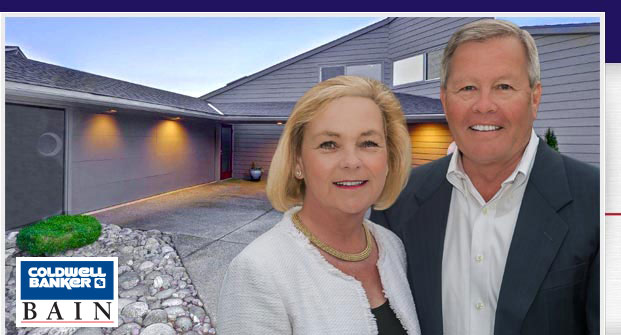



Welcome to Wangsness Connections, your connection to the finest homes and condominiums for sale in Seattle, and Seattle-Eastside communities of Bellevue, Medina, Issaquah, Clyde Hill, Capitol Hill, Madison Park, Laurelhurst, Magnolia, Queen Anne, Alki, Lake Washington, Lake Sammamish, Woodinville, and Kirkland.
View our featured properties , search for homes and condominiums for sale throughout the Seattle, Bellevue and Seattle Eastside area, check out our gallery of previously sold homes , listen to our weekly Northwest Real Estate Connections Radio Show , get access to extensive library of videos , audio and articles containing helpful buying, selling and home remodeling tips, and view upcoming Seattle area events .
Waterfront real estate in the Seattle area offers exceptional views, private docks, beach access, and proximity to the region’s most desirable neighborhoods. It also brings a level of regulatory complexity that buyers should understand before making an offer. A home near Puget Sound, Lake Washington, Lake Union, or a connected shoreline may be subject to rules that do not apply to inland property.
The visible condition of a house is only part of the evaluation. Shoreline jurisdiction, flood exposure, bulkheads, docks, critical areas, public access, and future construction limits can all affect a property’s value and usability. A deck that appears easy to replace or a dock that looks fully transferable may require agency approval or may have restrictions attached to it.
The best time to investigate these matters is before the inspection and financing deadlines expire. With help from a knowledgeable Seattle-area real estate professional, qualified inspectors, and local permitting experts, buyers can identify risks early and make decisions based on the property’s complete legal and physical profile.
Washington’s Shoreline Management Act establishes statewide policies for protecting shorelines while allowing appropriate development. Local governments implement those policies through Shoreline Master Programs, or SMPs. Seattle has its own shoreline regulations, while Bellevue, Kirkland, Mercer Island, and other Eastside communities administer their own local provisions.
Shoreline jurisdiction often extends inland from the ordinary high-water mark, and the exact boundary depends on the water body, mapped features, associated wetlands, and local code. A parcel does not need to sit directly on the beach to encounter shoreline requirements. A home near a creek, wetland, lagoon, or Lake Washington shoreline may also be affected.
Ask the listing agent or the local planning department for the property’s shoreline jurisdiction determination. Review the applicable zoning, critical areas maps, environmental designations, and permitted uses before assuming that an addition, garage, retaining wall, or landscape project will be approved.
A waterfront listing may advertise a private beach, dock, boat lift, or tideland rights, but marketing language does not establish ownership. Legal title, recorded easements, boundary surveys, and county records should clarify whether the shoreline extends to the water, stops at a defined line, or includes only access rights.
In Washington, tidelands and shorelands can involve complex ownership patterns. Some properties have upland ownership with separate rights to use a dock or launch area. Others share a shoreline through an easement, homeowners association, or condominium declaration. A title commitment should identify reservations, covenants, access agreements, restrictions, and other matters affecting use.
For condominium buyers, examine the declaration, plat, rules, reserve study, and association records. A dock, seawall, private road, or shared stairway may be a common element requiring association approval and collective funding. Confirm whether maintenance obligations and liability for shoreline structures are assigned to the unit owner or the association.
Existing improvements deserve the same scrutiny as proposed ones. Bulkheads, seawalls, piers, floats, lifts, stairs, decks, boathouses, and shoreline armoring may have been built under permits that limit repair, replacement, dimensions, materials, or seasonal use. Some older structures may be legally nonconforming, meaning they can remain but cannot be expanded freely.
Request permit records from the relevant city or county and compare them with the improvements visible on site. A dock that is longer or wider than its approved plans could create enforcement, financing, insurance, or resale concerns. Verify whether permits were finalized and whether the structure has a separate authorization from agencies such as the Washington Department of Fish and Wildlife, the U.S. Army Corps of Engineers, or the Washington Department of Natural Resources.
The following distinctions provide a useful starting point, but local agencies determine the requirements for each project and site:
| Property feature or project | Common review concern | Buyer verification step |
|---|---|---|
| Private dock or float | Size, moorage, navigation, habitat impacts | Obtain permits, plans, and ownership documents |
| Bulkhead or seawall | Repair limits, erosion control, shoreline habitat | Review permit history and engineering reports |
| New deck or addition | Setbacks, buffers, height, shoreline use | Request a preliminary code review |
| Beach access or stairs | Public access, habitat, erosion, easements | Confirm recorded access rights and approvals |
| Waterfront condominium | Shared structures and association duties | Read declaration, budgets, and meeting minutes |
| Low-lying waterfront home | Flooding, drainage, insurance, elevation | Order flood and elevation assessments |
A waterfront address can face several types of water-related risk. FEMA flood maps are useful, but they do not show every source of flooding or account for all future conditions. King County and local jurisdictions may also regulate floodplains, channel migration areas, wetlands, steep slopes, and other critical areas.
Have an inspector look for elevated moisture, foundation movement, corrosion, drainage failures, mold, and evidence of past inundation. Review the home’s elevation information when available, along with flood insurance requirements, prior claims, and the condition of pumps, drains, bulkheads, and shoreline landscaping. Standard homeowners insurance may exclude or limit flood-related losses.
Sea-level rise, higher winter flows, shoreline erosion, and changing storm patterns can affect long-term ownership costs even when a property is outside a mapped flood zone. A civil engineer, geotechnical consultant, or shoreline specialist may be appropriate for a home with visible erosion, steep slopes, aging armoring, or a history of water intrusion.
Before waiving contingencies, assemble the records that explain both the property and its obligations. This should include the title report, survey, seller disclosure, permit history, shoreline correspondence, dock agreements, insurance information, utility records, and any prior engineering or environmental studies.
A real estate attorney can interpret easements, covenants, tideland language, and shared maintenance duties. A land surveyor can clarify property lines and ordinary high-water mark issues. An insurance professional can determine whether flood, earthquake, landslide, or waterfront liability coverage is available at a reasonable cost.
When reviewing a prospective purchase, prioritize these checks:
Keep written responses from public agencies and consultants in the transaction file. Verbal assurances can be helpful, but documented records are far more valuable when evaluating a repair plan, negotiating credits, or selling the property later.
Waterfront premiums are influenced by more than square footage and scenery. A home with an approved dock, stable shoreline, usable beach access, and manageable maintenance obligations may command a premium over a similar home without those features. However, the premium should reflect the remaining life of major improvements and the cost of compliance.
An aging seawall can represent a substantial future expense, while a shared dock may require assessments from several owners. A property with restricted shoreline access may be less practical than its listing photographs suggest. Buyers should also consider construction logistics, including limited access for heavy equipment, neighborhood restrictions, seasonal work windows, and habitat-protection requirements.
Comparable sales should be selected carefully. Two homes on the same lake can have very different rights, elevations, permits, and maintenance responsibilities. A local agent who regularly handles fine homes and waterfront property can help distinguish genuine value from features that are difficult or expensive to use.
Waterfront transactions benefit from coordinated advice. The agent should understand local market conditions and permit history, while inspectors and specialists address structural, environmental, insurance, and legal questions. This team approach is especially important for relocation buyers who may be unfamiliar with Washington shoreline rules and the differences between Seattle and Eastside municipalities.
Wangsness Connections assists buyers, sellers, and relocating employees throughout Seattle, Bellevue, and nearby communities. Reviewing client testimonials can offer useful perspective on the agency’s communication and service, but buyers should still engage independent professionals for legal, engineering, surveying, and insurance opinions.
Start the process by identifying the property’s jurisdiction and gathering its records before becoming emotionally committed. Ask for clear deadlines for title review, inspections, permit research, and financing. If a shoreline feature is central to your plans, make its legal status and future cost a specific part of the purchase decision.
A waterfront home can be an extraordinary place to live when its rights, restrictions, and physical conditions are understood. Contact Wangsness Connections to discuss the Seattle or Eastside communities that fit your goals, then build a property-specific due diligence team before moving forward with an offer.

Listen live to Patricia and David's radio show Northwest Real Estate Connections every Wednesday from 3-4 PM Pacific Time on AM 1300 KKOL [ Listen Live ], and 1:00 pm to 2:00 pm every Sunday on Freedom AM1590.

A unique webshow is devoted to the Art, Science and Timing of Real Estate.
View our latest show where Professional photographer Drew Rice gives tips and advice for preparing your home for a photoshoot.. | [ View Now ]
Sign up for our Email Newsletter
