



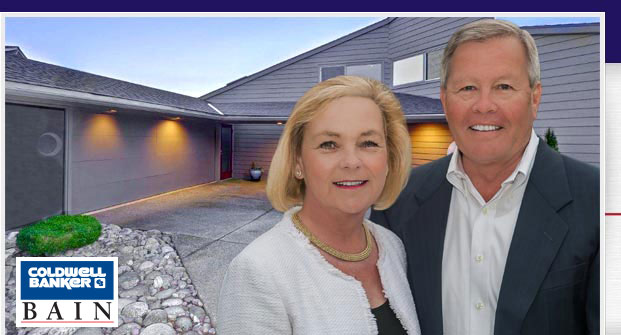



Welcome to Wangsness Connections, your connection to the finest homes and condominiums for sale in Seattle, and Seattle-Eastside communities of Bellevue, Medina, Issaquah, Clyde Hill, Capitol Hill, Madison Park, Laurelhurst, Magnolia, Queen Anne, Alki, Lake Washington, Lake Sammamish, Woodinville, and Kirkland.
View our featured properties , search for homes and condominiums for sale throughout the Seattle, Bellevue and Seattle Eastside area, check out our gallery of previously sold homes , listen to our weekly Northwest Real Estate Connections Radio Show , get access to extensive library of videos , audio and articles containing helpful buying, selling and home remodeling tips, and view upcoming Seattle area events .
In the leafy enclaves of Bellevue, Mercer Island, and Kirkland, sellers are quietly taking a more deliberate approach long before a single showing is scheduled. A pre-listing home inspection has become a strategic move, giving owners a candid picture of their property well before buyers bring their own inspectors through the door.
Australian homeowners will recognise the instinct. Across Sydney and Melbourne, building and pest inspections are practically a rite of passage before any auction, and vendors often commission their own reports to stay ahead of the campaign. The same logic now travels well to the Pacific Northwest, where transparent disclosures can mean the difference between a smooth closing and a deal that stalls on repair credits.
For sellers weighing whether the extra step is worth the fee, the question is rarely about cost alone. It is about what kind of negotiation you walk into, what kind of buyer you attract, and how much control you keep once offers land on the table. The sections ahead cover the practical value of an inspection before listing, where it fits in a sale strategy, and how luxury homes in particular benefit from a head start.
A pre-listing inspection is a full structural and systems review of the home, ordered and paid for by the seller rather than the buyer. Inspectors examine the roof, foundation, electrical panel, plumbing, HVAC, insulation, and visible weatherproofing, then produce a written report that catalogues condition, safety concerns, and items nearing the end of their service life.
The approach mirrors the diligence Australian buyers have come to expect. In Brisbane, a standard pre-purchase building report can run to 60 pages and cover everything from termite activity to deck integrity, and sellers who pre-empt the process often achieve tighter settlement timelines. Seattle Eastside listings share that complexity, particularly with homes that combine mid-century construction, recent remodels, and high-end finishes layered over older bones.
The report is not a to-do list, although many sellers treat it that way. It is a working document. Owners can choose to fix flagged items, price the home to reflect known issues, or simply disclose everything up front and let buyers make informed offers. That flexibility is the real point of commissioning the inspection in the first place.
| Aspect | Pre-Listing Inspection | Buyer's Inspection |
|---|---|---|
| Who pays | Seller | Buyer |
| Timing | Weeks before listing | After offer accepted |
| Purpose | Inform pricing, repairs, disclosure | Negotiate credits or repairs |
| Report shared with buyers | Often, voluntarily | Always, by request |
| Negotiation leverage | Seller holds the cards | Buyer drives the conversation |
The Pacific Northwest delivers more than its share of hidden issues, and many of them only surface when a buyer's inspector pokes around. Older sewer lines are common across older Bellevue and Redmond neighborhoods, and a single cracked section can become a five-figure credit request during escrow. Roof moss, moisture intrusion around chimneys, and aging electrical panels are equally routine findings.
Sellers sometimes assume that a fresh coat of paint and a polished kitchen will distract from these defects. They rarely do. Buyers who discover major items after going under contract tend to ask for price reductions that exceed the cost of a pre-emptive fix, or they walk away entirely, leaving the property to re-enter the market with stigma attached. A pre-listing inspection simply removes the surprise element from the equation.
In a competitive local market, calm is valuable. West Australian vendors working the Perth Hills corridor have learned the same lesson, frequently commissioning their own pest and building reports to keep negotiations from souring over late-stage discoveries. A clear, itemised record does the same work in the Eastside, transforming the inspection from a hurdle into a marketing document.
Pricing a home is a balancing act, and listings that enter the market with full disclosure tend to land closer to ask. Buyers, knowing the property has been professionally reviewed, place greater trust in the listing, and trust translates directly into willingness to pay full price rather than discount for perceived risk.
The opposite is also true. A buyer who commissions their own inspection and uncovers a list of unaddressed concerns will use every item as leverage, bundling small defects into a single large credit request. Sellers with no pre-listing report have little to push back with, especially when the alternative is restarting the listing and waiting another 30 to 60 days for the next qualified buyer.
For luxury properties in particular, pre-listing inspections support premium pricing. Buyers paying several million dollars expect the same rigour they would apply to a Sydney harbourside purchase, and a documented inspection history reassures them that the seller has nothing to hide. Listings with well-prepared reports also spend fewer days on market, a metric that compounds in a soft cycle.
For owners thinking about long-term value, pairing an inspection with a careful look at outdoor entertaining spaces and other lifestyle features can sharpen the listing's emotional pitch without diluting its technical credibility.
A typical pre-listing inspection takes two to four hours on site, depending on square footage and the number of outbuildings. Inspectors photograph and note every finding, then deliver a digital report within two to five business days. Sellers review the document with their agent, prioritise items by cost and consequence, and decide which to repair, which to credit, and which to disclose as-is.
The timing matters. Booking an inspection three to four weeks before the planned listing date leaves enough runway to complete minor repairs, gather contractor quotes, and update disclosure forms without rushing. Last-minute scrambles tend to leave cosmetic patches over real problems, which only resurface during the buyer's own review.
Disclosure is where the report earns its keep. King County sellers are required to share known material defects, and a thorough pre-listing report simplifies that obligation. It also creates a paper trail that protects the seller after closing. Buyers who receive full documentation at the time of offer rarely return with post-sale claims, which keeps the transaction clean from contract to keys.
For homeowners also considering their broader tax position, exploring property tax appeals in King County alongside a pre-listing review can unlock savings that help fund pre-sale repairs and staging.
Not every inspector is suited to high-end homes. Eastside estates often include integrated smart-home systems, radiant heating, wine cellars, generator backups, and architecturally complex rooflines that require specialised knowledge. Generalist inspectors may flag these systems as needing further evaluation, which becomes its own form of friction during negotiation.
The best fit is usually an inspector with experience on homes of comparable size and finish, ideally one who carries professional indemnity insurance and belongs to a recognised industry body. Ask for sample reports from previous luxury listings, and look for thoroughness rather than brevity. A 40-page report covering every visible element is more useful than a tidy six-page summary that misses the cellar HVAC.
Patricia and David Wangsness work with a trusted shortlist of Eastside inspectors and can match the right professional to a property's age, architecture, and mechanical complexity. The relationship matters: a good inspector becomes part of the selling team, and the right one shapes how confidently the home enters the market.
To sell with clarity and confidence, reach out to Patricia and David Wangsness to plan a pre-listing inspection that fits your Eastside home and your timeline. A well-timed report can be the difference between a stressful negotiation and a clean, top-dollar sale.

Listen live to Patricia and David's radio show Northwest Real Estate Connections every Wednesday from 3-4 PM Pacific Time on AM 1300 KKOL [ Listen Live ], and 1:00 pm to 2:00 pm every Sunday on Freedom AM1590.

A unique webshow is devoted to the Art, Science and Timing of Real Estate.
View our latest show where Professional photographer Drew Rice gives tips and advice for preparing your home for a photoshoot.. | [ View Now ]
Sign up for our Email Newsletter
