



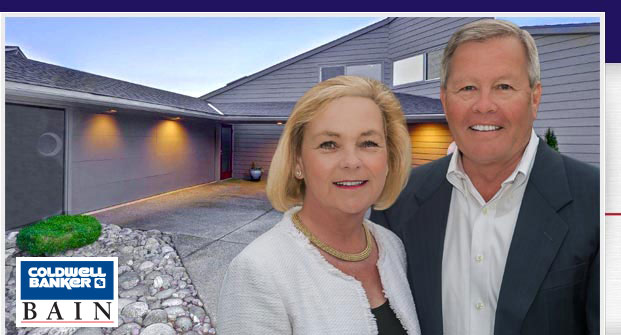



Welcome to Wangsness Connections, your connection to the finest homes and condominiums for sale in Seattle, and Seattle-Eastside communities of Bellevue, Medina, Issaquah, Clyde Hill, Capitol Hill, Madison Park, Laurelhurst, Magnolia, Queen Anne, Alki, Lake Washington, Lake Sammamish, Woodinville, and Kirkland.
View our featured properties , search for homes and condominiums for sale throughout the Seattle, Bellevue and Seattle Eastside area, check out our gallery of previously sold homes , listen to our weekly Northwest Real Estate Connections Radio Show , get access to extensive library of videos , audio and articles containing helpful buying, selling and home remodeling tips, and view upcoming Seattle area events .
A property tax assessment can affect a homeowner’s annual bill, refinancing plans, and long-term cost of ownership. In King County, the assessor’s office estimates a property’s market value and uses that figure to help determine the owner’s share of local taxes. When the assessed value appears higher than the home’s realistic worth, an appeal may be appropriate.
A successful challenge is built on evidence rather than frustration. Recent comparable sales, photographs, repair records, appraisal information, and a clear explanation of the home’s condition can all help establish that the assessor’s valuation does not reflect fair market value.
This guide to property tax appeals in King County for homeowners explains the process, deadlines, documentation, and practical considerations involved. It is general information, not legal or tax advice, so owners should verify current requirements with King County and consult qualified professionals about their circumstances.
Washington generally assesses real property at its estimated fair market value. The King County Assessor reviews sales, property characteristics, neighborhood trends, building quality, land size, and other factors to estimate what a property might have sold for under ordinary market conditions. The assessed value is then used in the broader calculation of property taxes.
An assessment is different from the tax rate. Even if a home’s value rises, the final tax bill depends on the budgets and levy rates approved by taxing districts such as the county, city, school district, and regional authorities. An appeal usually addresses the property’s valuation, not whether a particular public service should receive funding.
Owners should review the assessment details carefully. Errors involving square footage, finished areas, bedrooms, bathrooms, lot size, construction quality, or property condition can materially influence the estimate. A factual correction may be simpler than a full valuation dispute, although it should still be documented and submitted promptly.
The first step is identifying the date on the valuation notice. King County’s Board of Equalization generally requires a petition by July 1 of the assessment year or within 60 days after the Assessor’s mailing date, whichever is later. Requirements and dates can change, so homeowners should confirm the applicable deadline on the notice and the county’s official Board of Equalization resources.
A taxpayer typically begins by reviewing the Assessor’s records and contacting the office with questions or correction requests. If the disagreement remains unresolved, the owner can file a petition with the King County Board of Equalization. The Board is separate from the Assessor and reviews whether the assessed value represents the property’s market value as of the relevant assessment date.
Missing the filing period can prevent the Board from considering the appeal. Keep the valuation notice, mailing envelope when available, correspondence, completed petition, and proof of submission. Electronic filing may be available, but an owner should retain a copy of every uploaded document and any receipt or confirmation.
The strongest appeal usually compares the assessor’s opinion with credible evidence tied to the property’s condition and the correct valuation date. A sale that occurred after a major renovation, in a different neighborhood, or months away from the relevant date may be less useful than a similar nearby transaction requiring fewer adjustments.
Physical inspection is important. Photographs can show deferred maintenance, water damage, outdated systems, foundation concerns, unusual layouts, road noise, steep access, or other features that may reduce marketability. Written estimates for necessary repairs can make those observations more persuasive, particularly when the work is substantial and has not been reflected in the county record.
| Evidence | What It Can Show | Practical Consideration |
|---|---|---|
| Recent comparable sales | Likely market range | Select similar homes near the valuation date |
| Interior and exterior photographs | Condition and functional limitations | Label each image and explain its relevance |
| Contractor estimates | Cost of correcting defects | Use itemized, dated estimates where possible |
| Independent appraisal | A professional value opinion | Confirm the effective date matches the appeal |
| Property record corrections | Errors in county data | Identify each incorrect feature and provide support |
| Market analysis | Local pricing trends | Explain why broad averages do or do not fit the home |
A real estate professional may help identify relevant comparable sales and distinguish meaningful differences between properties. For owners considering a move, the same market knowledge can be useful when evaluating whether an assessed value is consistent with current buyer demand. Guidance on representation and local market strategy is also discussed in this resource about new construction buyers, which illustrates why property-specific analysis matters.
The petition should make one central argument: the assessed value is higher than the property’s true market value as of the required date. State the value the homeowner believes is correct and explain how the supporting evidence leads to that figure. A concise chronology can help, especially if the property experienced damage, an unfinished renovation, or a significant change before the assessment date.
Organize exhibits so a reviewer can follow the reasoning without searching through unrelated material. Begin with a brief summary, then include the property record, comparable sales, photographs, repair documentation, appraisal materials, and calculations. Use page numbers and captions, and identify the source and date of each item.
Avoid relying solely on a current listing price, an informal online estimate, or the amount of taxes owed. A listing reflects an asking strategy rather than a completed transaction, while automated estimates may overlook condition and location details. The appeal should focus on evidence that directly supports market value.
The Board may review the petition in writing, request additional information, or schedule a hearing. Procedures can vary, so read every notice carefully and respond by the stated date. If a hearing is scheduled, prepare a short explanation that covers the valuation error, the best comparable sales, and the most important condition issues.
The Assessor may provide its own evidence or modify the valuation before the hearing. Stay professional and factual when responding. The purpose is to demonstrate a defensible value, not to criticize the county or argue that taxes are generally too high.
If the Board reduces the value, the change may affect the relevant assessment and tax calculations according to the applicable process. If the Board denies the petition, a taxpayer may have the right to appeal to the Washington State Board of Tax Appeals, commonly within 30 days of the Board’s decision. Confirm the deadline and filing rules before pursuing that step.
A property tax appeal can overlap with a planned sale, purchase, remodel, or relocation. An assessment is not the same as a guaranteed sale price, and a reduction does not automatically mean a home will be difficult to sell. Buyers and lenders may rely on current market evidence, inspections, and appraisals rather than the county’s assessed value alone.
Homeowners preparing for a transaction should maintain a complete record of improvements and defects. Permit history, invoices, warranties, contractor reports, and before-and-after photographs can assist with both an appeal and a future disclosure process. A carefully documented renovation may support a higher market value, while unresolved problems may support a lower one.
Before filing, review these practical steps:
Property tax appeals involve county procedures, but local real estate knowledge can improve the quality of the evidence. Seattle neighborhoods, Bellevue, Redmond, Kirkland, and other Eastside communities can differ significantly in land value, buyer demand, school boundaries, access, housing type, and development pressure. A broad regional comparison may conceal those important distinctions.
Wangsness Connections serves homeowners and buyers across the Seattle area, including clients who are relocating to the region. Patricia and David Wangsness can help homeowners understand how an assessment relates to nearby market activity, a planned sale, or a broader housing decision. Their client testimonials offer examples of the service experience clients have received.
Begin by downloading the relevant King County assessment information and marking the appeal deadline on your calendar. Then assemble the property records, comparable sales, condition evidence, and written valuation argument before submitting a complete petition to the appropriate county office.

Listen live to Patricia and David's radio show Northwest Real Estate Connections every Wednesday from 3-4 PM Pacific Time on AM 1300 KKOL [ Listen Live ], and 1:00 pm to 2:00 pm every Sunday on Freedom AM1590.

A unique webshow is devoted to the Art, Science and Timing of Real Estate.
View our latest show where Professional photographer Drew Rice gives tips and advice for preparing your home for a photoshoot.. | [ View Now ]
Sign up for our Email Newsletter
