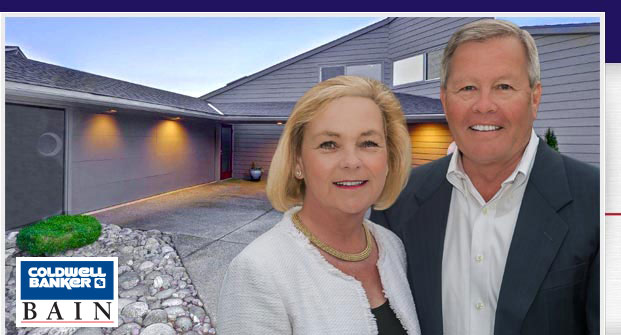



Welcome to Wangsness Connections, your connection to the finest homes and condominiums for sale in Seattle, and Seattle-Eastside communities of Bellevue, Medina, Issaquah, Clyde Hill, Capitol Hill, Madison Park, Laurelhurst, Magnolia, Queen Anne, Alki, Lake Washington, Lake Sammamish, Woodinville, and Kirkland.
View our featured properties , search for homes and condominiums for sale throughout the Seattle, Bellevue and Seattle Eastside area, check out our gallery of previously sold homes , listen to our weekly Northwest Real Estate Connections Radio Show , get access to extensive library of videos , audio and articles containing helpful buying, selling and home remodeling tips, and view upcoming Seattle area events .
A hillside home can offer privacy, territorial views, mature trees, and an architectural character that is difficult to find on a flat parcel. Seattle’s varied terrain creates appealing opportunities in neighborhoods such as Queen Anne, Magnolia, West Seattle, Laurelhurst, and parts of the Eastside. It also means the land beneath a property deserves as much attention as the house itself.
A steep lot may affect drainage, retaining structures, access, insurance, construction costs, and resale value. The listing description rarely provides enough detail to evaluate those issues. Buyers should combine a careful walk-through with professional inspections, public records research, and realistic financial planning.
Slope-related concerns do not automatically make a property a poor investment. They simply require a more informed process. These checks can help reveal hidden obligations before you commit to a purchase contract.
Begin by observing the lot from several positions rather than viewing only the home’s interior. Look for leaning trees, cracked paving, bowed fences, uneven floors, doors that stick, or gaps around windows. None of these signs proves a serious structural problem, but several together warrant closer investigation.
A licensed geotechnical professional can evaluate soil composition, groundwater, erosion risk, and the stability of the hillside. Seattle’s wet winters can saturate soil and increase pressure behind retaining walls. A geotechnical report may also identify whether a proposed addition, deck, driveway, or excavation could affect the slope.
Ask the seller for prior engineering reports, drainage studies, repair invoices, and records of landslides or foundation work. Search available municipal records for permits and code history. A neighborhood resource such as this Seattle neighborhood guide can help with broader location research, but property-specific slope conditions still require professional review.
Retaining walls are often among the most expensive features on a steep Seattle property. Identify every wall, including structures along driveways, side yards, stairways, and lower boundaries. Note signs of movement, separated joints, bulging surfaces, rusted tiebacks, missing drainage outlets, or soil collecting behind the wall.
Find out who owns and maintains each structure. A wall near a property line may serve two lots, and responsibility may not be obvious from the title report. Shared maintenance agreements, easements, or neighborhood arrangements should be documented rather than treated as informal promises.
Water management deserves equal attention. Gutters should discharge safely away from foundations, and downspouts should not send concentrated flow toward a neighboring parcel or unstable slope. Ask an inspector to assess French drains, catch basins, sump pumps, surface channels, and stormwater connections. A beautiful hillside yard can become a recurring maintenance burden if runoff has no reliable path.
Steepness changes how a home functions day to day. Walk the stairs from the street to the entrance and inspect their condition, lighting, handrails, landings, and drainage. Consider how groceries, furniture, children, pets, and emergency responders will reach the property. A home that feels manageable during a sunny showing may feel very different during a dark, icy, or heavily drenching winter morning.
Drive the approach at different times if possible. Check the width and grade of the street, visibility at intersections, snow and ice exposure, parking restrictions, and room for service vehicles. A narrow driveway may limit delivery access or make future construction far more expensive. Confirm whether parking pads, garages, or carports were properly permitted and whether a vehicle can safely enter and exit.
Accessibility also affects future marketability. Buyers who expect aging-in-place features may need a level entry, an elevator, a chair lift, or a new pathway. Determine whether those improvements are technically feasible and whether local setbacks, tree regulations, or slope rules could limit them.
A hillside property can have unusual utility arrangements. Older homes may rely on long private sewer lines, aging water systems, exposed electrical conduits, or pumps that need regular service. Ask inspectors to evaluate visible utility infrastructure and obtain information about sewer scopes, water pressure, electrical capacity, and the age of major mechanical systems.
Review permits for additions, decks, basement conversions, retaining walls, drainage installations, and substantial grading. Unpermitted work can complicate financing, insurance, resale, and future remodeling. If you are considering an addition or an accessory dwelling unit, speak with the relevant planning and building departments before assuming the project is possible.
| Area to check | Warning signs | Professional follow-up |
|---|---|---|
| Slope and soil | Erosion, leaning trees, ground cracks | Geotechnical evaluation |
| Retaining walls | Bulging, displaced blocks, poor drainage | Structural or geotechnical review |
| Water control | Pooling, saturated soil, damaged downspouts | Drainage contractor or civil engineer |
| Access | Steep stairs, narrow driveway, limited parking | Inspector, contractor, and accessibility review |
| Utilities | Old sewer, pumps, exposed lines | Sewer scope and specialized inspections |
| Past work | Missing permits or unclear ownership | Permit and title research |
Future improvements should be priced with the site in mind. Moving earth, bringing materials up a slope, protecting neighboring structures, and complying with erosion-control requirements can add substantial costs. Obtain preliminary contractor opinions before waiving contingencies for a renovation-heavy purchase.
The purchase price is only one part of the financial picture. Request estimates for immediate repairs, routine wall maintenance, drainage improvements, tree work, and any access upgrades. Ask whether the home has experienced insurance claims related to water intrusion, earth movement, or structural damage. Coverage for landslides and earth movement may be limited or excluded from standard homeowners insurance, so buyers should request specific answers in writing.
A steep lot can also influence the appraisal. Appraisers compare the property with homes that may have different access, usable yard area, views, parking, and maintenance requirements. If the appraisal comes in below the agreed price, buyers need a strategy before the deadline. This low appraisal guidance explains options that can be relevant in a competitive Eastside transaction.
Speak with a lender and insurance professional early, especially when the property includes unusual construction, extensive deferred maintenance, or a high replacement-cost feature such as a large retaining wall. Financing approval does not guarantee that every site concern has been resolved. Keep enough reserves for repairs that may not be visible during a standard inspection.
A well-structured offer gives the buyer time to investigate the land as carefully as the house. Depending on the property, contingencies may include a general inspection, sewer scope, structural review, geotechnical assessment, insurance approval, title review, and document examination. The appropriate terms depend on local practice and the transaction, so discuss them with a knowledgeable real estate professional.
Use the inspection period to ask direct questions. Who maintains the retaining wall? Where does stormwater go during heavy rain? Has the slope ever moved? Which improvements were permitted? Are there shared driveways, drainage easements, or neighborhood maintenance agreements? Written answers and supporting documents are more useful than verbal assurances.
Before moving forward, organize findings by urgency and cost:
A clear file helps buyers distinguish manageable maintenance from risks that could affect safety or long-term value. It also gives the buyer’s agent, lender, inspectors, contractors, and attorney the same factual foundation.
Buying a home on a steep Seattle lot can be rewarding when the property’s physical conditions match the buyer’s budget, lifestyle, and long-term plans. Views and privacy are valuable, but they should be weighed alongside drainage performance, structural stability, access, permitting, insurance, and future maintenance.
Before signing away important protections, work with a Seattle-area real estate team that understands hillside homes and can coordinate the right specialists. Wangsness Connections assists buyers throughout Seattle, Bellevue, and nearby Eastside communities with property research, inspections, negotiations, and relocation decisions. Begin with a careful property search and make the land itself part of every decision.

Listen live to Patricia and David's radio show Northwest Real Estate Connections every Wednesday from 3-4 PM Pacific Time on AM 1300 KKOL [ Listen Live ], and 1:00 pm to 2:00 pm every Sunday on Freedom AM1590.

A unique webshow is devoted to the Art, Science and Timing of Real Estate.
View our latest show where Professional photographer Drew Rice gives tips and advice for preparing your home for a photoshoot.. | [ View Now ]
Sign up for our Email Newsletter
