



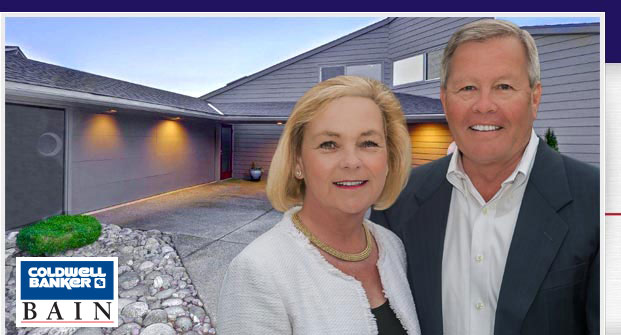



Welcome to Wangsness Connections, your connection to the finest homes and condominiums for sale in Seattle, and Seattle-Eastside communities of Bellevue, Medina, Issaquah, Clyde Hill, Capitol Hill, Madison Park, Laurelhurst, Magnolia, Queen Anne, Alki, Lake Washington, Lake Sammamish, Woodinville, and Kirkland.
View our featured properties , search for homes and condominiums for sale throughout the Seattle, Bellevue and Seattle Eastside area, check out our gallery of previously sold homes , listen to our weekly Northwest Real Estate Connections Radio Show , get access to extensive library of videos , audio and articles containing helpful buying, selling and home remodeling tips, and view upcoming Seattle area events .
A low appraisal can disrupt an otherwise strong transaction, especially when homes in Bellevue, Kirkland, Redmond, Mercer Island, or nearby communities attract multiple offers. The issue is often not that the property is overpriced in practical terms. Instead, the appraiser’s valuation may lag behind rapidly changing buyer demand, limited inventory, or the emotional premium created by competition.
The appraisal matters because most mortgage lenders use the appraised value to determine how much they will lend. If the valuation comes in below the agreed purchase price, the buyer may need to bring additional cash, renegotiate the contract, or reconsider the purchase. A seller, meanwhile, must decide whether preserving the current deal is more valuable than returning to the market.
Handling the situation well requires speed, documentation, and realistic expectations. Local knowledge is particularly important in the Eastside, where values can vary significantly by school boundaries, commute patterns, waterfront access, views, renovation quality, and proximity to employment centers.
An appraisal is an opinion of market value based largely on comparable sales, property characteristics, and market conditions. The appraiser generally looks for recently closed sales that resemble the subject property. Pending offers and active listings can provide context, but they usually carry less weight than completed transactions.
In a rising market, closed sales may reflect prices negotiated weeks or months earlier. Buyers may now be willing to pay more than those older transactions indicate. This timing gap can create a low valuation even when the purchase price reflects current competition.
A property may also be difficult to compare. A fully remodeled home, a condominium with unusual amenities, a view property, or a residence in a highly sought-after location may have few truly similar sales. Broad neighborhood averages cannot always capture the value of a particular lot, floor plan, finish level, or setting.
The first step is to obtain and read the appraisal carefully. Check the living area, bedroom and bathroom count, lot size, construction year, parking, view, condition, and renovation details. Errors in these basic facts can affect the valuation and may provide a clear reason to request a correction.
Next, examine the comparable sales selected by the appraiser. A useful comparable is not necessarily the closest property geographically. It should have similar quality, size, location, appeal, and buyer demand. A smaller or inferior home may have sold for less, but that does not automatically make it a suitable comparison.
The buyer or seller typically cannot simply replace the appraisal with a preferred opinion of value. However, the lender may accept a reconsideration of value when supported by specific factual corrections, overlooked comparable sales, or relevant market evidence. The request should be organized and evidence-based rather than argumentative.
The simplest response is for the buyer to cover the appraisal gap with additional funds. This may make sense when the buyer has sufficient reserves, expects to own the property for many years, and believes the home’s location and qualities justify the premium. The buyer should still consider the effect on cash reserves, future refinancing, and the property’s likely resale value.
Another option is to renegotiate the purchase price. A seller may agree to reduce the price to the appraised value, split the difference, or make another concession. In a competitive Eastside transaction, the seller’s willingness may depend on whether other interested buyers remain available and how much time the property has been on the market.
The parties can also explore a larger down payment, a different loan structure, or a combination of price adjustment and cash contribution. Any change should be reviewed with the lender because loan-to-value requirements, underwriting rules, and closing costs may be affected.
| Response | Potential benefit | Important consideration |
|---|---|---|
| Buyer pays the gap | Keeps the transaction moving | Reduces liquid reserves and increases effective price |
| Seller lowers the price | Aligns financing with the valuation | Seller gives up proceeds and may question the next offer |
| Parties split the difference | Shares the financial impact | Requires agreement on a fair division |
| Request reconsideration | May correct an error or add stronger evidence | Takes time and does not guarantee a higher value |
| Cancel under contract terms | Limits the buyer’s exposure | May forfeit time, inspection costs, or another opportunity |
A reconsideration request should focus on facts the original report missed or misrepresented. Useful support may include more appropriate recently sold homes, evidence of significant renovations, documentation of superior features, and an explanation of why selected comparables do not reflect the subject property’s market position.
The listing agent can prepare a concise market analysis showing competing sales and the price pattern for similar homes. The buyer’s agent may contribute information about the offer environment, including the number of competing offers or the terms that drove the final contract price. While an appraiser cannot rely solely on bidding activity, it can help explain why the contract price differs from older sales.
Timing matters. The lender, agents, and transaction parties should coordinate quickly so that a reconsideration request does not delay financing or closing. The outcome may be unchanged, but a well-supported submission gives the appraiser and lender a practical basis for review.
The Eastside is not one uniform real estate market. A home near downtown Bellevue competes in a different environment from a Redmond property near major technology campuses, a Kirkland waterfront residence, or a suburban home in Sammamish. Even neighboring streets can differ because of school assignments, topography, traffic exposure, lot configuration, or redevelopment potential.
For relocating buyers, lifestyle and commute priorities can shape value in ways that broad statistics do not reveal. Resources covering Seattle-area neighborhoods can help buyers compare community characteristics before deciding how much flexibility they have in a negotiation.
Mercer Island deserves particular care because its island geography, limited inventory, access routes, and distinct buyer pool can influence pricing differently from mainland Eastside communities. A recent discussion of Mercer Island market dynamics illustrates why an appraisal should be interpreted through the lens of the specific submarket rather than a general regional average.
A low appraisal should trigger a broader financial review, not an automatic decision to abandon the purchase. Buyers should revisit their down payment, monthly payment, emergency reserves, anticipated repairs, and plans for the property. Paying above appraised value may be reasonable for a rare home, but it should be an informed choice rather than a reaction to pressure.
Sellers should compare the cost of renegotiating with the risks of relisting. A new buyer may face the same appraisal issue, and a future listing could attract less attention if market conditions soften. The seller should also evaluate carrying costs, timing needs, and whether the current buyer is otherwise well qualified.
A local real estate professional can help separate a correctable appraisal problem from a genuine pricing concern. The most effective guidance connects the valuation to neighborhood-level sales, current competition, property condition, and the client’s financial objectives.
When a transaction involves a luxury home, condominium, relocation, or unusual property, experience with the specific Eastside submarket becomes even more valuable. Wangsness Connections assists buyers and sellers throughout Seattle, Bellevue, and nearby communities with market interpretation and transaction strategy. Contact Patricia or David Wangsness to evaluate the appraisal, identify practical options, and move forward with a plan suited to the property and the market.

Listen live to Patricia and David's radio show Northwest Real Estate Connections every Wednesday from 3-4 PM Pacific Time on AM 1300 KKOL [ Listen Live ], and 1:00 pm to 2:00 pm every Sunday on Freedom AM1590.

A unique webshow is devoted to the Art, Science and Timing of Real Estate.
View our latest show where Professional photographer Drew Rice gives tips and advice for preparing your home for a photoshoot.. | [ View Now ]
Sign up for our Email Newsletter
