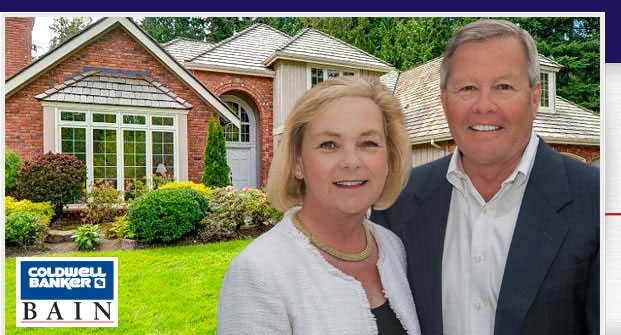


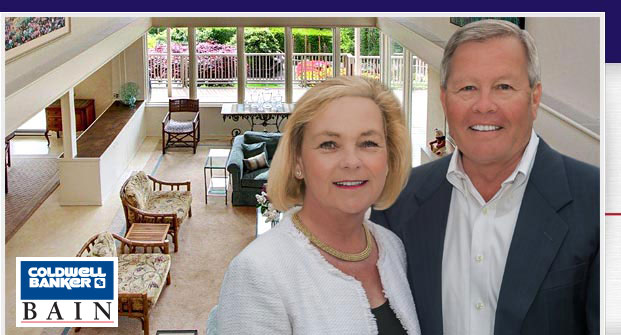
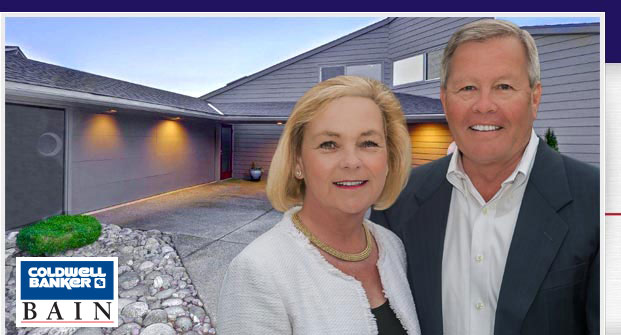



Welcome to Wangsness Connections, your connection to the finest homes and condominiums for sale in Seattle, and Seattle-Eastside communities of Bellevue, Medina, Issaquah, Clyde Hill, Capitol Hill, Madison Park, Laurelhurst, Magnolia, Queen Anne, Alki, Lake Washington, Lake Sammamish, Woodinville, and Kirkland.
View our featured properties , search for homes and condominiums for sale throughout the Seattle, Bellevue and Seattle Eastside area, check out our gallery of previously sold homes , listen to our weekly Northwest Real Estate Connections Radio Show , get access to extensive library of videos , audio and articles containing helpful buying, selling and home remodeling tips, and view upcoming Seattle area events .
A luxury home appraisal in Seattle establishes the supportable market value for a property on a particular date. It is an evidence-based opinion, not a promise that the sale price will equal the figure. Australian buyers should note that Seattle prices are in US dollars, while apartment and strata valuation terms familiar in Australia come from a different legal system.
Seattle’s fine-home market includes distinctive houses, high-end condominiums and properties with Puget Sound, Lake Washington or city views. Prime locations span Queen Anne, Bellevue, Medina, Clyde Hill and Kirkland. Because a sloping lot, unusual floor plan or private outlook may have no direct substitute, the appraiser must explain which differences affect value.
For a financed purchase, the lender normally engages an independent licensed or certified appraiser through an appraisal management company. The appraiser assesses the property’s contributory features for the lender and buyer; a broker’s price opinion, building inspection and formal appraisal serve different purposes. The finished report should state the value, effective date, key sales and adjustments.
A Seattle luxury valuation combines property facts with recent market evidence:
| Evidence | What is reviewed | Why it matters |
|---|---|---|
| Comparable sales | Recent closed prices for broadly similar homes or condominiums | Establishes the main market-value benchmark |
| Property details | Size, layout, quality, condition, renovation and views | Explains why comparable properties require adjustments |
| Site and setting | Lot size, orientation, privacy, topography and landscaping | Can materially change buyer demand in Seattle |
| Market conditions | Sale dates, inventory, financing and concessions | Separates a current value from an outdated or abnormal result |
| Ownership context | Title interest, HOA finances and material restrictions | Can influence financeability and buyer confidence |
Adjustments are the central analytical step. If a recent sale had a smaller lot, inferior outlook or dated kitchen, the appraiser adjusts its price to estimate what the subject property would have sold for under similar conditions. A buyer should not expect the full invoice price of a bespoke renovation to appear; value depends on what buyers would actually pay.
Depending on the assignment, work may involve a desk review, limited visit or full inspection with photographs and a detailed narrative. Reports usually identify the effective valuation date, opinion of value and methods used. In complex cases, the appraiser may discuss property facts with the agent, but the agent cannot direct the result.
Recent closed sales normally carry more weight than asking prices or agents’ marketing estimates. The comparison should be similar in property type, quality and submarket, and recent enough to reflect current conditions. A Bellevue new build, for example, is unlikely to represent a century-old home near Medina, while a Lake Washington condominium may require different evidence from a Queen Anne house.
When exact matches are scarce, appraisers use paired sales and layered evidence. One sale may establish location and land value, while another demonstrates the contribution of architecture or renovation. They also check seller motivation, concessions and unusual conditions that could make a headline price atypical. Australian buyers used to auction results will recognise the principle: the completed transaction is stronger evidence than an advertised price.
If a property comes with a tenant, the lease, rent and tenant terms create another evidence stream for an income-producing valuation. This overview of the tenant leasing process explains the contractual points, while a sales appraisal addresses ownership value and whether the tenancy supports the income assumption.
Views, privacy, orientation, topography and usable land can materially shape buyer behaviour. Seattle’s hills, water and mild climate make those features central to many fine homes. Architectural significance may increase interest, but it can also create risk if the local market will not pay as much for a particular style as its owners expect.
Renovations receive separate scrutiny. An appraiser distinguishes features that contribute value from those that mainly improve the owner’s enjoyment. A top-tier kitchen may support a premium, while a costly wine room or imported stone may return less than its cost. Permits, sound workmanship, matching floor area and a coherent design usually support stronger conclusions than unfinished or poorly integrated work.
For a condominium, association finances influence value because buyers fund services and rules. Australians commonly ask about body corporate levies and sinking funds; in Seattle, the equivalent concerns are HOA dues, reserves, special assessments, parking limits and planned major work. These factors are not translated through simple dollar-for-dollar adjustments, but financial uncertainty can reduce confidence and affect price.
Agents build the market story through a comparative market analysis, pricing strategy, disclosure and access for the appraisal. A seller may use a pre-listing appraisal to identify value issues before accepting an offer. A buyer can use the agent to identify differences between the contract price, the agent’s opinion and the independent valuation, while supplying a factual record of upgrades.
Seattle generally uses multiple listing services, private listings and negotiated offers rather than the transparent auction format common in Sydney and Melbourne. A winning bid can still differ from a formal valuation. Likewise, what Australian buyers call “due diligence” and “settlement” may map to different stages here: Washington commonly uses a title company or escrow officer, with an optional home inspection and lender review, rather than relying on a conveyancer as in parts of Australia.
Clear communication matters when comparable evidence is thin. Published client testimonials can show how a local team explains competitive pricing, relocation and negotiation without confusing agent advocacy with an appraisal opinion. Treat them as service insight rather than valuation evidence; the report must remain grounded in closed sales and defensible adjustments.
Preparation is not about hiding an inconvenient feature. It gives the appraiser evidence that allows every material difference to be recognised. Before the visit, buyers and sellers should:
These steps create a traceable file. If value comes in below the contract price, the parties can examine the assumptions, check that the report followed the assignment and negotiate a response. Clear records make that discussion faster and more factual, whether the buyer has just arrived from Brisbane or already lives across the Eastside.
Expect an appraisal to be both a figure and a narrative. In Seattle’s luxury market, a sound opinion explains why a property sits above or below a neighbourhood benchmark and how unusual architecture, land or views were treated. It should reconcile enough recent evidence to withstand scrutiny from the lender and an informed negotiating party.
Arms-length preparation reduces surprises. Secure the relevant records, ensure access, distinguish cosmetic spending from contributory value and keep the agent, buyer and lender aligned. If the first opinion raises a concern, ask the appraiser to clarify the comparison and adjustment rather than assuming the figure was arbitrary.
Buyers ready to move can explore Seattle, Bellevue and nearby Eastside luxury listings with Wangsness Connections, request an appraisal-readiness consultation and plan due diligence before making an offer. Sellers can arrange a pricing review that tests recent evidence, renovation value and likely buyer perceptions. Contact the team to begin the process and move forward with an evidence-led strategy.

Listen live to Patricia and David's radio show Northwest Real Estate Connections every Wednesday from 3-4 PM Pacific Time on AM 1300 KKOL [ Listen Live ], and 1:00 pm to 2:00 pm every Sunday on Freedom AM1590.

A unique webshow is devoted to the Art, Science and Timing of Real Estate.
View our latest show where Professional photographer Drew Rice gives tips and advice for preparing your home for a photoshoot.. | [ View Now ]
Sign up for our Email Newsletter
