



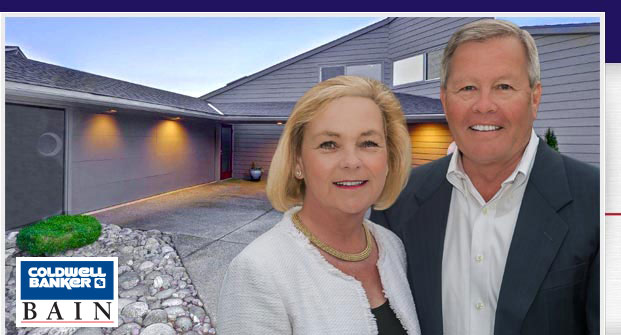



Welcome to Wangsness Connections, your connection to the finest homes and condominiums for sale in Seattle, and Seattle-Eastside communities of Bellevue, Medina, Issaquah, Clyde Hill, Capitol Hill, Madison Park, Laurelhurst, Magnolia, Queen Anne, Alki, Lake Washington, Lake Sammamish, Woodinville, and Kirkland.
View our featured properties , search for homes and condominiums for sale throughout the Seattle, Bellevue and Seattle Eastside area, check out our gallery of previously sold homes , listen to our weekly Northwest Real Estate Connections Radio Show , get access to extensive library of videos , audio and articles containing helpful buying, selling and home remodeling tips, and view upcoming Seattle area events .
Washington state’s disclosure requirements for defects can reveal what a seller knows about a home, but they are not a substitute for independent due diligence. For buyers relocating from Australia, these documents also work differently from familiar contract and strata practices. A clear understanding of the process helps separate useful protection from assumptions that may not apply in Washington. Learn more about Park Hill Building T13 Units With The Largest Bathroom Sizes 181303.
Most residential sellers in Washington must provide a Seller’s Disclosure Statement, commonly called Form 17, before the buyer makes an offer. It covers known material adverse facts and defects across the property. Obtain the completed version, read every response, and ask for written clarification when an answer is incomplete or ambiguous.
Australians may expect a cooling-off period, consumer guarantees and building inspections as standard safeguards. Victorian residential contracts generally include three business days of cooling-off, while many New South Wales contracts provide five, subject to exceptions. Washington offers specific remedies for nondisclosure, but its disclosure regime should not be treated as a familiar Australian cooling-off right.
Buyers should also consider the property type, local market and inspection access. A Seattle condominium may involve shared roofs, water systems and association budgets; a Bellevue or Eastside home may raise different questions about land, drainage and remodelling. Professional advice becomes especially valuable when a purchase is made remotely.
Washington’s seller disclosure rules appear in chapter 64.04 of the Revised Code of Washington. For most residential sales, the seller completes and delivers Form 17 before the buyer’s offer. The form requires affirmative disclosure of known material adverse facts and defects, not merely a general statement that a property is sound. Statutory exceptions exist for certain sales, including new construction and some foreclosure transactions, so the agent or attorney should confirm how the rule applies.
The form is evidence of what the seller reported, not proof of the home’s condition. A seller who knew of a serious defect or made a false statement can face contractual remedies, damages and, for qualifying nondisclosure, a right to rescind. Some claims may remain available for up to three years after the contract, depending on the facts and the legal theory.
Form 17 is not the only source of truth. Sellers can amend disclosures before signing, and material changes should be communicated in writing. Buyers should keep the signed disclosure with inspection reports and contract records. If the facts are unclear, seek advice from a Washington real estate attorney rather than treating a blank response as a guarantee.
The form addresses areas such as the roof, structure, electrical and plumbing systems, heating and cooling, water and sewer, moisture or mould, illegal additions, permits, zoning, hazardous materials and flood exposure. The exact responses depend on the property. A “no” may mean the seller reported no known problem; it does not establish that no problem exists.
Different records answer different questions:
| Review source | What it shows | Important limit |
|---|---|---|
| Seller’s Form 17 | The seller’s knowledge and reported adverse facts | It is not an independent condition assessment |
| Property inspection | Observable defects in the inspected areas | Concealed or inaccessible conditions may remain |
| Condo or HOA records | Budgets, reserves, rules, litigation and assessments | Records may not reveal every future maintenance issue |
| Contract and addenda | Contingencies, deadlines and agreed remedies | Terms do not correct a false disclosure automatically |
A professional inspection is especially important where Form 17 records uncertainty. It can identify observable defects, but it cannot guarantee that every concealed component has been tested. Older houses, recent remodels and unfinished seller work often deserve extra scrutiny because permits, final inspections or invoices may be missing.
Hire a licensed Washington inspector whose work matches the property, and attend the inspection where practical. Depending on the home, consider a sewer scope, chimney evaluation, radon testing where relevant, or an engineer for unusual foundation work. Moisture testing is particularly valuable in the Pacific Northwest’s wet winters, while Seattle-area seismic and masonry details may call for specialist knowledge.
Condominium buyers need information beyond unit walls. Request association financial statements, reserve studies, recent minutes, rules, insurance summaries, pending litigation and planned assessments. Shared roofs, parking structures and exterior waterproofing affect every owner. A rooftop deck checklist offers a practical example of the amenity-specific questions that should accompany the building records.
Do not confuse a condominium inspection with an assessment of the association. One examines visible unit conditions; the other evaluates common property, management and long-term costs. Purchase-contract deadlines determine when these records must be reviewed and when a buyer may cancel, so coordinate the inspection, document request and negotiation as one sequence.
Australian buyers often arrive with a feature-first mindset shaped by property portals, where photographs, parking, bathroom size and location are easy filters. A large bathroom comparison illustrates that marketing habit, but legal diligence in Washington requires a different order: seller disclosures, independent evidence, association records and contract terms first.
Several home-market customs need translation. In Sydney and Melbourne, strata or owners-corporation records and a building-defects history are routine review items; in Washington, the equivalent documents come from a condominium association or homeowners’ association. Queensland buyers accustomed to new-build warranties should confirm whether statutory protections attach to an older resale property rather than assuming a builder guarantee exists. Perth’s familiar concern about termites illustrates the need to prioritise local hazards instead: in Seattle, moisture intrusion, drainage, soil conditions and unpermitted work may matter more.
Remote buyers should budget for local professionals rather than trying to resolve everything by video. An independent inspector, a Washington attorney for contract concerns and a lender familiar with foreign income can prevent avoidable delays. For employees moving to Seattle or Bellevue, also plan for dollar exchange, temporary accommodation, commute patterns from Redmond or Kirkland, and insurance before signing.
A disciplined review keeps the process manageable:
Property and association checks
Contract safeguards matter just as much as the documents themselves.
Offer and closing protections
If information appears incomplete, pause before waiving a right or releasing funds. A licensed inspector can distinguish an ordinary maintenance issue from a material defect, while an attorney can assess whether a disclosure, representation or contract provision should affect the offer. Contact Patricia and David Wangsness to plan a Seattle-area search, arrange a tailored inspection and coordinate a well-informed relocation.

Listen live to Patricia and David's radio show Northwest Real Estate Connections every Wednesday from 3-4 PM Pacific Time on AM 1300 KKOL [ Listen Live ], and 1:00 pm to 2:00 pm every Sunday on Freedom AM1590.
A unique webshow is devoted to the Art, Science and Timing of Real Estate.
View our latest show where Professional photographer Drew Rice gives tips and advice for preparing your home for a photoshoot.. | [ View Now ]
Sign up for our Email Newsletter
