


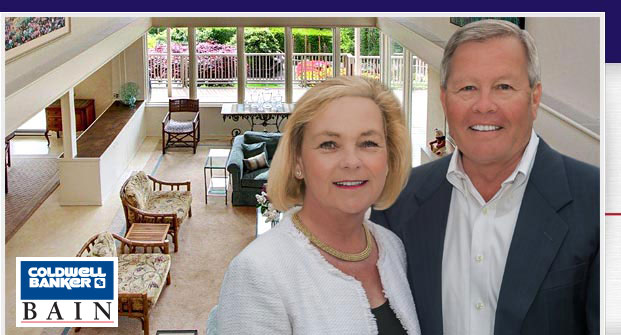




Welcome to Wangsness Connections, your connection to the finest homes and condominiums for sale in Seattle, and Seattle-Eastside communities of Bellevue, Medina, Issaquah, Clyde Hill, Capitol Hill, Madison Park, Laurelhurst, Magnolia, Queen Anne, Alki, Lake Washington, Lake Sammamish, Woodinville, and Kirkland.
View our featured properties , search for homes and condominiums for sale throughout the Seattle, Bellevue and Seattle Eastside area, check out our gallery of previously sold homes , listen to our weekly Northwest Real Estate Connections Radio Show , get access to extensive library of videos , audio and articles containing helpful buying, selling and home remodeling tips, and view upcoming Seattle area events .
American property titles often use legal categories that are not part of everyday Australian vocabulary. A Washington deed or lease may create either a fee simple estate or a leasehold interest. The difference is practical: a fee simple purchaser acquires ownership, while a leasehold purchaser receives the right to possess and use property under specified terms.
That distinction influences title searches, lending, taxes, transfer costs and the buyer’s control after settlement. It also matters when purchasing a Seattle condominium, Bellevue home or leased property. The agreement should be read alongside the title report and lease rather than treating “property” as a single ownership category.
A fee simple estate normally lasts indefinitely and combines broad powers: possession, use, income, transfer, inheritance and leaving the property by will. Ordinary residential sales in King and Snohomish counties generally create this form of ownership. It is the closest general comparison to Australian freehold title, although the two legal systems describe rights differently.
The owner may still mortgage the land, sell it or devise it, but existing easements, covenants, liens and restrictions continue to apply. A clean purchase does not mean an unencumbered one. The title commitment and exception documents reveal these limits, while homeowners association rules and governmental land-use restrictions may affect use without appearing as a change of ownership.
A leasehold gives the tenant an estate or interest in property for a fixed term, or under another recognised arrangement. The landlord normally keeps the underlying fee and receives the right to possession when the term ends. A tenant can occupy and use the premises, but does not acquire the same power to sell the underlying land, alter it at will or commit it to a new owner.
The lease sets the boundaries. Assignment, subletting, alterations, rent review, renewal, default remedies and restoration obligations can all be controlled by its wording. Many substantial leaseholds are recorded in Washington so later purchasers can discover them, but recording does not remove the landlord’s consent rights or make the tenant the fee owner.
Ownership of improvements may also differ. A leasehold holder may own a building or fit-out while the land remains controlled by the landlord, subject to removal terms and end-of-lease obligations. Buyers should therefore ask what is being transferred, not merely whether a lease exists.
The sharpest practical contrast is control. A fee simple owner keeps the property after the mortgage is paid and can transfer it during their ownership. A leasehold holder has only the rights granted by the lease, and its value may depend on remaining term, renewal options and the landlord’s willingness to cooperate. A short remaining term can materially reduce financing and resale prospects.
This distinction should not be confused with an apartment’s strata title. In Sydney or Melbourne, an apartment commonly sits as a strata or community lot within an owners corporation. A Washington condominium may identify a separate unit while common elements are shared, and its association rules resemble some body corporate obligations rather than changing the unit owner’s basic title.
For a fee simple purchase, due diligence normally includes the title report, survey, lien and tax review, insurance, property-condition inspections and HOA documents where applicable. In Washington, a title company or attorney may prepare the settlement records, and a title insurance policy is often considered. The buyer should confirm which items are closing costs and which remain the owner’s ongoing expenses.
For a leasehold, the lease itself becomes the central document. Obtain the original lease, amendments, rent schedule and any side agreements; then check term dates, options, assignment clauses, permitted use and landlord consent. Confirm who insures the building, pays taxes, maintains common areas and handles structural repairs. Financing terms may require an assignment of the leasehold and security from the landlord.
Both routes require a full acquisition budget. The same discipline appears in this practical explanation of calculating hidden property costs: taxes, legal charges, financing charges and compliance work all belong in the total. Although that example focuses on Islamabad, its budgeting method transfers well to Washington and to Australian buyers comparing local purchase costs.
In New South Wales and Victoria, buyers often plan for conveyancer or solicitor fees and state transfer duty, while strata owners also pay body corporate levies and council rates. Washington buyers instead weigh settlement and recording costs, possible real estate excise tax, annual property tax, insurance and HOA dues. These are different labels and payment systems, not exact equivalents, so estimates should be built from the actual property.
Financing also follows the interest being acquired. A fee simple can support a conventional mortgage. A leasehold may support a leasehold mortgage, but the lender will scrutinise the remaining term, assignment provisions and landlord covenants. If the lease ends or the landlord ends it, the borrower’s security can disappear even though improvements remain. Professional legal and tax advice is sensible for any material leasehold investment.
Seattle, Bellevue and the wider Eastside contain conventional homes and condominium communities where title documents must be checked carefully. A condo association may charge dues and impose rules affecting pets, parking, renovation or rentals. Those private rules operate alongside city permits and zoning, just as body corporate rules and council controls operate in Australian apartment markets.
Employee relocation adds another layer. Patricia and David Wangsness assist with purchases, sales and moves through Wangsness Connections, which serves Seattle, Bellevue and nearby Eastside communities. A relocating family should establish whether the housing requirement is outright ownership, a leasehold assignment or a temporary occupancy arrangement before signing anything.
Leasehold ground rents and term leases do occur in parts of Australia, so the concept is not completely foreign. However, terminology such as reversion, assignment and the effect of a surrendered lease depends on local legislation. A Washington contract should be interpreted under Washington law and checked by a professional familiar with the relevant county, while the buyer can compare it with Australian commercial leasing experience.
Buyers comparing ownership with a leasehold should request the title report, complete lease and written estimates of all acquisition and ongoing costs before making an offer. Ask the listing agent to identify the exact interest being sold, the responsible parties and the available exit routes.
Contact Patricia and David Wangsness to review current Seattle and Bellevue listings and arrange a property search or relocation consultation. Review the title and lease documents, confirm the cost profile, and negotiate an offer that reflects the exact interest being acquired.

Listen live to Patricia and David's radio show Northwest Real Estate Connections every Wednesday from 3-4 PM Pacific Time on AM 1300 KKOL [ Listen Live ], and 1:00 pm to 2:00 pm every Sunday on Freedom AM1590.
A unique webshow is devoted to the Art, Science and Timing of Real Estate.
View our latest show where Professional photographer Drew Rice gives tips and advice for preparing your home for a photoshoot.. | [ View Now ]
Sign up for our Email Newsletter
