



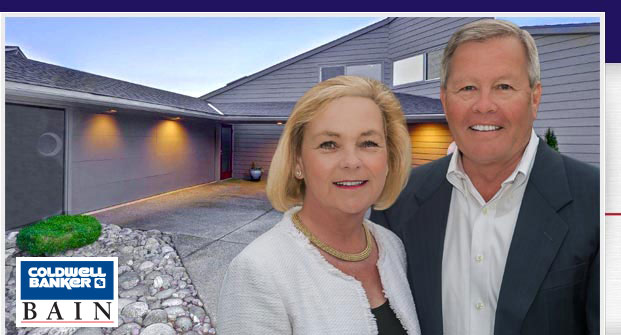



Welcome to Wangsness Connections, your connection to the finest homes and condominiums for sale in Seattle, and Seattle-Eastside communities of Bellevue, Medina, Issaquah, Clyde Hill, Capitol Hill, Madison Park, Laurelhurst, Magnolia, Queen Anne, Alki, Lake Washington, Lake Sammamish, Woodinville, and Kirkland.
View our featured properties , search for homes and condominiums for sale throughout the Seattle, Bellevue and Seattle Eastside area, check out our gallery of previously sold homes , listen to our weekly Northwest Real Estate Connections Radio Show , get access to extensive library of videos , audio and articles containing helpful buying, selling and home remodeling tips, and view upcoming Seattle area events .
A high-end remodel in Seattle calls for more than an attractive portfolio and a confident first meeting. Luxury renovations often involve structural changes, heritage considerations, custom joinery, advanced heating and cooling systems, premium appliances, and a long list of specialist trades. The general contractor must coordinate every moving part while protecting the design, budget, and resale value of the home.
For Australian buyers and homeowners, the process can feel unfamiliar. Terms such as “general contractor,” “subcontractor,” “permit,” “bond,” and “lien waiver” do not always align neatly with the language used by builders and tradies in Sydney, Melbourne, Brisbane, or Perth. Seattle also has its own permitting requirements, weather patterns, neighbourhood rules, and construction costs.
A careful selection process helps you find a builder who can deliver the standard expected from a luxury property. It also creates a stronger working relationship between the owner, architect, interior designer, real estate adviser, and construction team.
Begin with a clear description of the work. List the spaces involved, the level of finish, the likely structural changes, and any specialist requirements such as a wine cellar, home theatre, lift, spa bathroom, outdoor kitchen, or smart-home system. A high-end contractor should be comfortable working from detailed architectural drawings and interior design specifications rather than relying on a basic room-by-room estimate.
Your brief should also identify the property’s location and age. A waterfront home may require additional moisture protection, while an older Seattle residence could contain outdated wiring, concealed water damage, or materials that need specialist handling. Homes in established areas such as Queen Anne, Madison Park, or Capitol Hill may involve tighter access, neighbour communication, and more complex site logistics than a newer Eastside property.
Set a preliminary budget before requesting proposals. Include design fees, permits, engineering, temporary accommodation, storage, appliance purchases, landscaping, and a contingency for concealed conditions. Australians familiar with renovation budgets in Sydney or Melbourne should allow for differences in labour rates, imported materials, currency conversion, and the way American construction contracts allocate responsibility for allowances and change orders.
Washington contractors should be registered with the state and able to provide evidence of the appropriate registration, insurance, and bonding. Ask for current documentation rather than accepting a verbal assurance. Confirm that the business name on the contract matches the registered entity and that the contractor has a clear process for handling subcontractors, site safety, and payment records.
Request evidence of general liability insurance and workers’ compensation coverage. Find out whether subcontractors carry their own policies and how certificates are collected. A reputable builder will answer these questions directly and explain the limits of each policy. This level of diligence is especially important for an overseas owner who may not be available to inspect the site regularly.
Local experience is valuable because Seattle-area work involves specific permitting, inspection, weather, and supply-chain conditions. Ask how many comparable projects the contractor has completed in Seattle, Bellevue, Kirkland, or nearby communities. If you are considering an Eastside purchase, local market context can be useful as well; this overview of Bellevue micro-neighbourhoods may help connect renovation choices with the character and demand of particular locations.
A polished website is only a starting point. Look for completed projects that resemble yours in scale, architectural style, quality, and complexity. A contractor who builds impressive new homes may not be the right choice for a sensitive renovation involving an occupied property, a mid-century structure, or a heritage-style home.
Ask to see finished work in person where possible. Pay attention to alignment, junctions, cabinetry gaps, stone installation, paint finish, flooring transitions, hardware, and the way new work meets the original building. Luxury construction is often judged by details that do not appear in professional photographs.
Speak with at least three recent clients. Ask whether the contractor communicated consistently, maintained the site, controlled dust and noise, managed variations, and addressed defects after practical completion. Find out whether the final cost was close to the original estimate and whether the schedule was realistic. Australian homeowners will recognise the importance of references from people who have lived through the build, rather than relying solely on testimonials selected by the contractor.
Invite a short list of qualified builders to price the same scope of work. Each proposal should separate labour, materials, subcontractor costs, allowances, design coordination, permits, taxes, and the contractor’s fee. An unusually low bid may indicate omitted work, unrealistic allowances, or an intention to recover margin through later variations.
Study the allowances carefully. A premium kitchen, bathroom, lighting package, or imported finish can exceed a provisional amount quickly. Ask who selects products, when selections must be made, and what happens if an item is delayed or discontinued. Australian clients are accustomed to discussing fixed-price building agreements and variations; in Seattle, it is equally important to understand whether the arrangement is lump sum, cost-plus, or a hybrid.
The contract should explain the programme, payment schedule, retention or holdback arrangements, inspection points, change-order procedure, warranty obligations, dispute resolution, and responsibility for damage. It should also address delays caused by material shortages, weather, design revisions, or permit changes. Have a construction attorney review the agreement before signing, particularly when the owner lives overseas or the project involves a substantial investment.
The best contractor for a luxury remodel is often the one who makes the process predictable. Ask who will be your day-to-day contact, who manages the site, and how often formal progress updates will be issued. A strong team can provide a construction schedule, selections log, budget report, meeting notes, photographs, and a record of approved changes through a shared digital platform.
Clarify how remote decisions will be handled. Australian owners may be working across a significant time difference, travelling between the United States and Australia, or coordinating with a relocation employer. Agree on response times, approval thresholds, video-call arrangements, and who may authorise work if an urgent decision is needed. A Seattle-based real estate agency experienced in relocation can often help identify local professionals and coordinate property access during the planning stage.
Visit the site at agreed milestones, even if most communication is remote. Independent inspections by an architect, building consultant, or owner’s representative can provide additional oversight. If you are comparing American construction practices with those in Australia, resources such as regional realtor guidance can offer a broader reference point, although the contractor, contract, and regulations for your Seattle project must be assessed locally.
Be cautious if a builder pressures you to sign immediately, refuses to provide registration details, requests large cash payments, or gives a price without reviewing the plans. Other warning signs include a vague scope, unexplained gaps in insurance, poor communication during the sales process, or a portfolio that cannot be verified. A contractor who is difficult to reach before the contract is signed is unlikely to become more responsive once construction begins.
Pay attention to how the builder handles difficult questions. Reliable professionals will explain risks, identify decisions that may affect cost, and acknowledge when an engineer, architect, or specialist is needed. They should be willing to discuss defects, delays, and past projects without becoming defensive.
Before work starts, confirm the permit pathway, final selections, site access, insurance certificates, payment process, and emergency contacts in writing. Keep a complete file of the contract, drawings, invoices, approvals, correspondence, and photographs. This record is useful for project control and may support future resale disclosures or warranty claims.
A successful luxury renovation begins with the right team and a well-defined brief. Contact Wangsness Connections for guidance on Seattle and Eastside properties, neighbourhood considerations, relocation support, and connections that can help you evaluate a potential remodel before you commit to the purchase or construction contract.

Listen live to Patricia and David's radio show Northwest Real Estate Connections every Wednesday from 3-4 PM Pacific Time on AM 1300 KKOL [ Listen Live ], and 1:00 pm to 2:00 pm every Sunday on Freedom AM1590.

A unique webshow is devoted to the Art, Science and Timing of Real Estate.
View our latest show where Professional photographer Drew Rice gives tips and advice for preparing your home for a photoshoot.. | [ View Now ]
Sign up for our Email Newsletter
