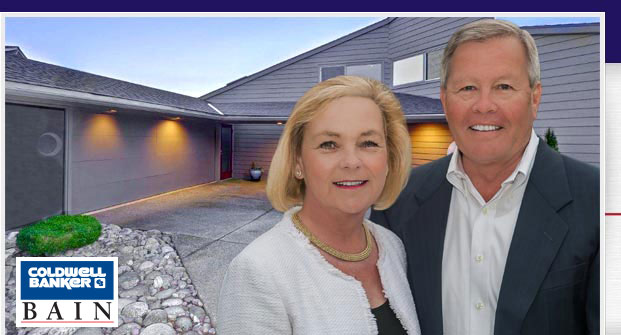



Welcome to Wangsness Connections, your connection to the finest homes and condominiums for sale in Seattle, and Seattle-Eastside communities of Bellevue, Medina, Issaquah, Clyde Hill, Capitol Hill, Madison Park, Laurelhurst, Magnolia, Queen Anne, Alki, Lake Washington, Lake Sammamish, Woodinville, and Kirkland.
View our featured properties , search for homes and condominiums for sale throughout the Seattle, Bellevue and Seattle Eastside area, check out our gallery of previously sold homes , listen to our weekly Northwest Real Estate Connections Radio Show , get access to extensive library of videos , audio and articles containing helpful buying, selling and home remodeling tips, and view upcoming Seattle area events .
Buying a home through a trust or estate sale in Washington can offer access to distinctive properties in Seattle, Bellevue, Kirkland, Redmond, and surrounding Eastside communities. It can also involve extra legal, title, and practical considerations that do not arise in an ordinary owner-occupied sale.
For an Australian buyer, the process may feel unfamiliar. Washington transactions are typically handled through a real estate broker, escrow company, title insurer, lender, and specialist advisers rather than through the auction-style system common in Sydney, Melbourne, Brisbane, or Perth. The seller’s authority to act can be just as important as the home’s condition and price.
A trust sale is usually managed by a trustee, while an estate sale is handled by a personal representative, executor, or administrator after an owner’s death. The documents, court involvement, tax position, and timelines depend on the estate plan and the authority granted under Washington law.
Sound preparation matters because many trust and estate properties are sold in their current condition. A buyer should understand the ownership structure, investigate the title, arrange an appropriate inspection, and ensure the contract provides enough time for financing and professional review.
In a trust sale, the trustee must have the power to sell the property. That authority may come from the trust agreement, a certification of trust, or related documents reviewed by the title company. The trustee may have broad discretion, though some trusts impose approval requirements or limit the type of transaction permitted.
An estate sale follows a different path. The personal representative receives authority through the probate process, and the sale may be subject to court supervision or restrictions in the letters testamentary. Washington’s nonintervention probate procedures can give a representative substantial authority, but buyers should not assume every estate sale is automatically approved for an immediate, unconditional closing.
The listing description may use terms such as “trustee sale,” “estate sale,” “probate sale,” or “seller has limited knowledge.” These labels are not interchangeable. Ask the listing agent which party will sign the purchase and sale agreement, whether all required beneficiaries have approved the transaction, and whether court confirmation or additional notices are needed.
A title and escrow company will examine ownership records, liens, easements, unpaid taxes, and recorded claims before issuing a title commitment. Buyers should read that commitment carefully rather than treating title insurance as a substitute for due diligence. A title issue can affect the closing date or require corrective documents from trustees, heirs, creditors, or government agencies.
The seller may need to provide a death certificate, probate appointment, trust certification, trustee affidavit, or other evidence of authority. In some cases, a deceased owner’s name remains on the title even after the estate has begun administration. The title company will determine what must be recorded before ownership can transfer cleanly.
An Australian buyer accustomed to engaging a conveyancer or solicitor should arrange equivalent independent legal advice in Washington. A local real estate attorney can explain probate concerns, while the title company confirms insurability. These professionals have different roles, so relying on a single party for every legal and transactional question may leave gaps.
Trustees and estate representatives often have limited personal knowledge of the home. The property may have been vacant, occupied by an older owner, rented to others, or maintained by a relative who cannot document every repair. A seller may provide disclosures, but the information can be incomplete.
An inspection should cover the roof, drainage, foundation, electrical system, plumbing, heating and cooling equipment, windows, moisture intrusion, and signs of deferred maintenance. In Seattle’s wet climate, drainage, moss, crawlspaces, and basement moisture deserve particular attention. Older homes may also contain outdated wiring, lead-based paint, asbestos, or underground oil tanks.
The purchase agreement may permit an inspection contingency, although some estate and trust sellers prefer a short review period or an entirely as-is sale. “As is” does not prevent a buyer from inspecting; it usually means the seller is unwilling to make repairs or guarantee the property’s condition. If the home is in Bellevue or another Eastside market, practical presentation details can still matter to future resale, as discussed in these Eastside curb appeal ideas.
An estate property is not automatically a bargain. The seller may be guided by a broker’s comparative market analysis, an independent appraisal, beneficiary expectations, or a court-related valuation. A home requiring substantial work can attract competing investors, while a well-maintained trust property may sell at full market value.
Obtain an appraisal when financing is involved, and compare recent sales with active listings. Australian buyers should allow for currency movement between the Australian dollar and the US dollar, international transfer costs, lender fees, property taxes, insurance, and ongoing maintenance. A favourable exchange rate can change before settlement, affecting the effective purchase price.
Lenders may impose additional conditions when the seller is an estate or trust. They may need evidence that the representative has authority to sell, and an appraisal may identify repairs that affect loan approval. Buyers comparing opportunities across the United States can also use a separate Florida property guide to see how local market conditions and transaction practices differ from those in Washington.
The earnest money deposit, inspection deadlines, financing contingency, appraisal contingency, and closing date should be coordinated with the buyer’s lender and advisers. Missing a contractual deadline can remove an important protection, particularly where the seller will not renegotiate after acceptance.
Washington closings are commonly completed through escrow. The buyer signs loan and transfer documents, deposits the required funds, and receives ownership after the deed is recorded. The process is different from an Australian settlement, where a conveyancer or solicitor coordinates an electronic or scheduled exchange and state-based transfer duties may apply.
Washington generally charges real estate excise tax on a sale, with the seller usually responsible for that tax under the contract and local rules. The buyer should still budget for recording charges, lender costs, title insurance, inspections, prepaid taxes, insurance, and homeowners association or condominium fees. A condominium purchase also calls for review of the resale certificate, bylaws, budgets, assessments, meeting minutes, and pending litigation.
If the seller is a non-US person, federal withholding rules such as FIRPTA may affect the transaction. An international buyer should obtain tax advice before signing, especially if the buyer will lease the property, use it as a second home, or later sell it. Immigration status, US tax filings, and rental licensing can create separate obligations.
For relocation from Australia, plan utilities, insurance, banking, furniture shipping, and a temporary accommodation period around the closing date. Seattle traffic, ferry schedules, school catchments, and commuting patterns can materially change the practical value of a home even within a relatively short distance.
The best structure depends on the authority of the seller, the condition of the home, the buyer’s risk tolerance, and the contract protections available. A strong local broker can help identify which questions should be directed to the title company, attorney, lender, inspector, or tax adviser.
| Consideration | Trust Sale | Estate Sale |
|---|---|---|
| Person signing | Trustee or authorised co-trustees | Personal representative, executor, or administrator |
| Main authority document | Trust certification and related trust records | Probate appointment and letters of authority |
| Seller knowledge | May be limited if the trustee did not occupy the home | Often limited because the owner has died |
| Court involvement | Often limited, depending on the trust | May be required or relevant under the probate process |
| Common buyer concern | Whether the trustee has full power to sell | Whether probate authority and beneficiary requirements are complete |
| Due diligence | Title review, inspection, disclosures, contract terms | Title review, inspection, probate status, and timing |
| Typical negotiation issue | As-is terms and limited representations | As-is terms, court timing, and competing beneficiary interests |
Before making an offer, request the seller’s proposed form of contract and ask how the transaction will be approved. Confirm the inspection and financing deadlines, identify any occupancy or possession issues, and establish who will pay for required repairs, utilities, and condominium documents.
A purchase can proceed smoothly when authority is documented early and expectations are realistic. It becomes riskier when a buyer relies on verbal assurances, assumes an estate sale is discounted, or spends heavily on inspections and design before confirming that the seller can deliver clear title.
For guidance on Seattle, Bellevue, and nearby Eastside properties, contact Patricia and David Wangsness at Wangsness Connections. Their local knowledge can help Australian buyers evaluate the home, understand the transaction pathway, coordinate trusted specialists, and move from an initial property search toward a well-prepared Washington purchase.

Listen live to Patricia and David's radio show Northwest Real Estate Connections every Wednesday from 3-4 PM Pacific Time on AM 1300 KKOL [ Listen Live ], and 1:00 pm to 2:00 pm every Sunday on Freedom AM1590.
A unique webshow is devoted to the Art, Science and Timing of Real Estate.
View our latest show where Professional photographer Drew Rice gives tips and advice for preparing your home for a photoshoot.. | [ View Now ]
Sign up for our Email Newsletter
