







Welcome to Wangsness Connections, your connection to the finest homes and condominiums for sale in Seattle, and Seattle-Eastside communities of Bellevue, Medina, Issaquah, Clyde Hill, Capitol Hill, Madison Park, Laurelhurst, Magnolia, Queen Anne, Alki, Lake Washington, Lake Sammamish, Woodinville, and Kirkland.
View our featured properties , search for homes and condominiums for sale throughout the Seattle, Bellevue and Seattle Eastside area, check out our gallery of previously sold homes , listen to our weekly Northwest Real Estate Connections Radio Show , get access to extensive library of videos , audio and articles containing helpful buying, selling and home remodeling tips, and view upcoming Seattle area events .
For Australian buyers, sellers and families with property in Seattle or Bellevue, Washington’s estate tax can become relevant even when the owner lives overseas. A home, condominium or investment property situated in Washington may form part of a taxable estate when its owner dies, with the tax calculated under state rules rather than Australian inheritance law.
The issue is especially important as property values rise across sought-after Eastside communities such as Bellevue, Kirkland, Redmond and Medina. A transfer that appears simple—leaving a residence to children, placing it in a trust or gifting an interest during life—can create different estate, gift, income-tax and probate consequences.
Australian residents also need to account for currency movements between the Australian dollar and US dollar, cross-border reporting and the fact that Australia does not currently impose a broad inheritance or estate tax. Advice from Washington estate-planning and tax professionals should be obtained before ownership is changed.
Washington imposes an estate tax on the transfer of assets at death when the taxable estate exceeds the state’s applicable exemption. Real estate physically located in Washington is generally Washington-situs property, so a non-resident owner may still have a state estate-tax exposure connected with a Seattle-area home.
The calculation is based on the taxable estate, not simply the property’s original purchase price. A $3 million Bellevue residence may be only one part of an estate that also includes brokerage accounts, business interests, retirement assets, life insurance and other property. Debts, deductible expenses and certain deductions can affect the final amount.
Washington’s exemption is adjusted periodically, and the rate schedule is progressive, reaching the highest bracket for very large estates. Because thresholds and legislation can change, owners should verify the current figures rather than rely on an older online estimate or a conversion from Australian tax rules.
A valuation at the owner’s date of death is central to the estate-tax calculation. Appraisers may consider comparable sales, the condition of the home, development potential, zoning and the value of land in the surrounding neighbourhood. A luxury waterfront property may require a more specialised appraisal than a standard suburban home.
Ownership structure also matters. A married couple may hold a Washington property as community property, joint tenants or through a trust, and each arrangement can produce different results. Community-property treatment may provide useful basis consequences for spouses, but it does not automatically eliminate estate tax.
For an Australian family, the estate may include an apartment in Sydney, superannuation interests, shares and Washington real estate. The US and Australia may apply different rules to each asset. A coordinated review can reduce the risk of treating the Washington home as though it were governed solely by Australian succession law.
A lifetime gift of a property or an ownership share can remove future appreciation from an estate in some circumstances, but gifting a high-value asset is not a simple way to avoid tax. A gift may trigger federal gift-tax reporting, affect the recipient’s tax basis and create exposure if the transfer is made for less than fair market value.
Transfers at death can have different income-tax consequences because inherited property commonly receives a basis adjusted to its fair market value at the date of death. That adjustment may reduce US capital-gains tax if the beneficiary later sells the home. A lifetime transfer may preserve the donor’s original basis instead, making a later sale more expensive.
This distinction matters when a family is considering a pre-sale transfer to children or a move into a family trust. A plan that saves estate tax could increase capital-gains tax, create a taxable gift or complicate financing. The timing of a sale, the beneficiary’s residence and the intended use of the property all deserve review.
Australia abolished its federal estate tax in 1979, although Australian estates can still face capital-gains tax issues, income-tax treatment for superannuation death benefits and state-based duties in some transactions. That difference often creates confusion for Australians buying a US property as a holiday home, relocation residence or investment.
Stamp duty is a familiar cost when purchasing property in states such as New South Wales or Victoria, while Washington’s transfer-tax rules operate differently. A Washington sale or transfer may involve real estate excise tax, recording requirements and other charges, depending on the structure and consideration. A transfer between related parties is not automatically free of tax or documentation requirements.
Australians relocating from Melbourne, Brisbane or Perth may also compare Seattle’s property market with familiar local conditions. Seattle-area homes can involve homeowners’ association fees, property-tax reassessments, earthquake considerations and significant renovation costs. Those expenses affect the estate’s net value and should be documented rather than assumed.
| Planning issue | Washington property owner | Australian connection |
|---|---|---|
| Property location | Washington real estate may be taxable property in a non-resident estate | An Australian owner can have US state exposure while living in Australia |
| Estate-tax threshold | The exemption and rate brackets are set by Washington law and may change | Do not substitute Australia’s lack of estate tax for Washington rules |
| Lifetime gift | May affect gift-tax reporting, basis and future capital gains | A gift can have different consequences from transferring an Australian asset |
| Transfer at death | Date-of-death valuation and basis adjustment may be important | Beneficiaries may need advice in both jurisdictions |
| Ownership structure | Trusts, joint ownership and community-property treatment produce different outcomes | Australian wills and enduring powers may not control US title |
| Sale or transfer | Excise tax, recording and valuation issues may arise | Currency conversion and Australian reporting should be tracked |
A revocable living trust is often used to organise management, avoid some probate procedures and provide continuity if the owner becomes incapacitated. It does not generally remove the property from the owner’s taxable estate while the owner retains control. An irrevocable trust may produce different estate-tax results, but it can also limit flexibility and require careful administration.
Joint ownership can simplify succession in some situations, yet it may create unintended outcomes. The surviving owner may receive the property automatically, while the estate plan may have intended an equal division among several children. For non-US families, the interaction between a Washington deed, an Australian will and a foreign trust can be particularly complicated.
A clear inventory should identify the legal owner, tax owner, current market value, mortgage, insurance, beneficiary designations and any restrictions on sale. Keep copies of deeds, appraisals and improvement invoices. A documented history is valuable when executors later need to establish the property’s basis and defend its valuation.
A planned sale before death may create a cleaner division of assets, but it can produce capital-gains tax, brokerage costs and real estate excise tax. A refinance or change in title can also require lender consent. Owners should avoid transferring a property informally or signing a deed without understanding the tax and financing consequences.
Relocation adds another layer. An Australian employee moving to Seattle may initially rent in areas such as Queen Anne, Capitol Hill or Bellevue before purchasing. A family buying during a temporary assignment should consider whether the property will later be sold, rented, placed in a trust or retained as a long-term asset.
Local market guidance can help with valuation and timing, while legal and tax advisers address the transfer itself. Families comparing Washington with other US destinations may find broader property context in Florida real estate insights, although Florida rules should never be substituted for Washington advice.
The most reliable process begins with a full asset map in both currencies. List Washington real estate, Australian residences, bank accounts, investments, superannuation, business interests and insurance. Record approximate values, acquisition dates, ownership percentages and outstanding loans.
Next, coordinate documents across jurisdictions. A Washington deed and trust should align with the owner’s Australian will, power of attorney and beneficiary arrangements. Professional advice is particularly important where one spouse is an Australian tax resident, another is a US resident, or the beneficiaries live in different countries.
Property owners can also review whether their current insurance, liquidity and emergency funds are adequate. Estate tax is generally payable from the estate, but a family may need cash to meet the liability without selling a home quickly. A current appraisal and a periodic review with a qualified adviser can make that decision less disruptive. For perspective on client experiences with property professionals, the client testimonials provide a useful example of the value of informed local support.
A high-value Washington property deserves a plan that connects ownership, valuation, tax, succession and the practical realities of a future sale. Contact Wangsness Connections for Seattle and Eastside market guidance, then engage qualified Washington and Australian tax and estate advisers to test the ownership structure before making a transfer. Acting while the owner has time and flexibility generally creates more options than waiting for an estate administration to begin.

Listen live to Patricia and David's radio show Northwest Real Estate Connections every Wednesday from 3-4 PM Pacific Time on AM 1300 KKOL [ Listen Live ], and 1:00 pm to 2:00 pm every Sunday on Freedom AM1590.
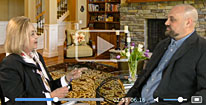
A unique webshow is devoted to the Art, Science and Timing of Real Estate.
View our latest show where Professional photographer Drew Rice gives tips and advice for preparing your home for a photoshoot.. | [ View Now ]
Sign up for our Email Newsletter
