


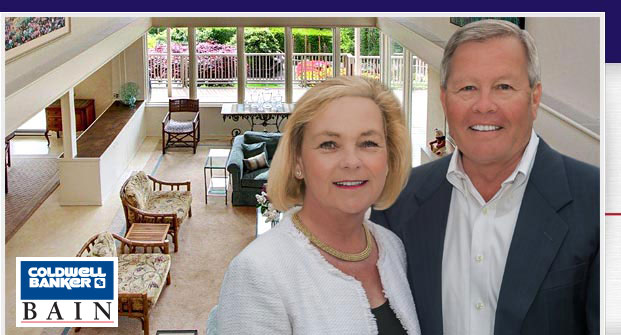
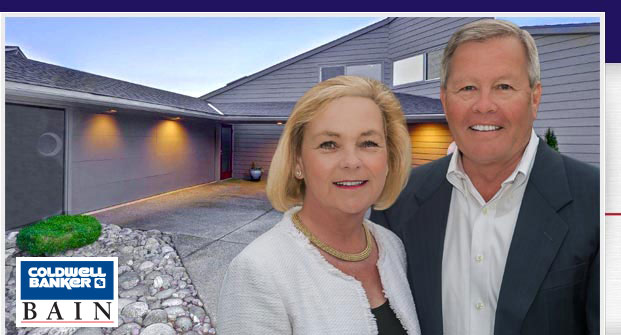



Welcome to Wangsness Connections, your connection to the finest homes and condominiums for sale in Seattle, and Seattle-Eastside communities of Bellevue, Medina, Issaquah, Clyde Hill, Capitol Hill, Madison Park, Laurelhurst, Magnolia, Queen Anne, Alki, Lake Washington, Lake Sammamish, Woodinville, and Kirkland.
View our featured properties , search for homes and condominiums for sale throughout the Seattle, Bellevue and Seattle Eastside area, check out our gallery of previously sold homes , listen to our weekly Northwest Real Estate Connections Radio Show , get access to extensive library of videos , audio and articles containing helpful buying, selling and home remodeling tips, and view upcoming Seattle area events .
Lake Union offers a distinctive combination of city living and direct access to a working waterway. Residents can keep a yacht, sail through the Lake Washington Ship Canal, reach Puget Sound and return home without leaving the neighbourhood. The catch is that access by water and access by land are separate markets: a desirable berth may sit near a congested junction, while a quiet home can require a long trip from the club.
For readers who know marinas in Sydney, Melbourne, Brisbane or Perth, Seattle feels familiar but works differently in important ways. Australian marinas commonly quote annual berthage, seasonal storage and hardstand charges; Seattle uses terms such as "slip", "on-water" and "liveaboard" for other arrangements. An Australian saying they are "waiting for a pen" is waiting for a berth, yet Washington contracts, permits and insurance still need local advice.
Lake Union is long, narrow and busy, with shoreline communities such as Eastlake, South Lake Union, Fremont and the University District close by. The ship canal provides a route to Lake Washington and, through the locks, Puget Sound. Wind, wake and changing water levels matter more here than sheltered-water assumptions might suggest.
A berth's real convenience is measured by the whole trip: walking distance from home, bicycle access, bus routes, traffic around Westlake Avenue and the supply run from a car park. Before touring a particular club, compare the surrounding neighbourhoods and everyday services; the Seattle's best places guide is a useful reference for amenities beyond the waterfront.
Australians accustomed to broad, protected waterways should ask how a Seattle marina handles winter storms and summer crowding. Seattle's floating docks rise and fall with the lake, while a fixed gangway or electrical system may have its own constraints. That difference matters more than the glossy photographs in a club brochure.
A yacht club membership can include a berth, but it often does not guarantee one. Clubs may run sailing lessons, racing, youth programmes, guest nights and social events, while berth space is allocated through a waitlist or a separate lease. Full, weekday and associate memberships can also carry different rules about guests, storage and boat size.
The financial commitment has several layers: an initiation fee, annual dues, slip rent, assessments for major repairs, and charges for electrical hookups, trailer storage or liveaboard use. In Seattle, a club with a prime view may have a long queue, so ask what the current waiting time is and whether members can sublet or transfer a berth.
Club culture can feel familiar to Australian sailors, with burgees, race debriefs, volunteer work and committee roles. Social calendars can include themed dinners and poker nights; if an event uses a particular poker format, the Wangsness Connections poker probe bet guide is a handy back-pocket explainer for newcomers.
Moorage options fall into several practical categories, and the right category depends on how often the boat moves, how much equipment it needs and whether the owner wants a residential base. A waterfront condo may suit a seasonal sailor; a house with a private dock may suit someone who keeps the boat on site.
Short-term and guest moorages are useful for visitors or owners whose boats stay elsewhere, but they offer little control over access and equipment. A permanent berth gives convenience in exchange for a recurring fee and a longer agreement. The difference between a club berth, a marina slip and private moorage should be judged against actual sailing plans, not just the headline rate.
| Moorage choice | Typical arrangement | Best for | Main watch-out |
|---|---|---|---|
| Yacht-club berth | Club membership plus a leased or assigned slip | Committed owners seeking facilities and community | Waitlists, dues and rules that may not transfer |
| Commercial marina slip | A berth leased from a private operator | Flexible stays and boats needing shore services | Higher ongoing fees and limited availability |
| Private moorage or dock | Space controlled with a property or held under a separate interest | Owners wanting access and equipment control | Maintenance, permits and a larger upfront commitment |
| Floating home or liveaboard berth | Residential vessel or liveaboard arrangement | Owners who want the boat to function as a base | Occupancy rules, utilities and insurance scrutiny |
Private arrangements can offer more control, yet they may bring shoreline maintenance, permitting, insurance and greater capital exposure. Floating homes have their own occupancy and utility rules. Whatever the option, visit at both quiet and busy times, then speak with current berth holders about winter reliability, security and how quickly problems are handled.
Before paying a deposit, separate the cost of storing a boat from the cost of joining a club. Ask for the full annual schedule, the current waitlist and the consequences of leaving. A Melbourne or Brisbane sailor may expect a different cooling-off or contract practice, so Seattle terms should be checked rather than assumed from Australian law.
Questions to ask the club or marina
Numbers to put in your budget
A written schedule should state when charges are due, whether a member can transfer the boat, and what happens if a berth becomes unavailable. Check the notice period and any minimum term. For interstate or international movers, ask whether the marina accepts a mailing address, bank transfer or electronic payment, since Australian visitors may not have a US credit history.
The Washington buying process also differs from Australia's state-based systems. A property purchase may involve earnest money, title and escrow arrangements, while a boat berth may remain a separate contract. Get independent legal and tax advice before signing either, especially if the purchase depends on a club's written acceptance of the boat and owner.
Buying a home near Lake Union and securing a berth are related decisions, but they are not always one transaction. A condo can be close to a marina yet carry rental restrictions, while a house with a dock may have a larger mortgage and greater upkeep. The search should include both the property's practical limitations and the boat's realistic storage options.
Patricia and David Wangsness assist with fine homes, condominiums and luxury properties across Seattle, Bellevue and nearby Eastside communities. Their work includes buyer representation, listings, relocation support for employees arriving in the region and advice on properties that suit a waterfront lifestyle. A good brief identifies whether the boat is essential, occasional or simply part of the long-term plan.
Relocation clients sometimes compare Seattle with another specialist waterfront market. A look at Trinity Florida waterfront homes can help frame the appeal of a boat-oriented community, although climate, tax, berth and travel conditions in Florida should not be used to price Seattle. The right comparison is the life the family actually wants after arrival.
A sound plan starts with a shortlist: walk the route from home to berth, attend a club event, inspect the marina in wet weather and speak with two current members. Then compare the contract and annual costs with the value of having the boat on site. That sequence keeps emotion, weather and logistics in proportion.
Local knowledge also makes the handover easier. Wangsness Connections brings together property searches, featured and recently sold listings, service information, real estate articles and videos, remodeling advice, local events and the Northwest Real Estate Connections radio show. These resources help buyers understand the neighbourhood and the practical work involved in moving a property, not just the listing photographs.
Ready to explore a Lake Union home and a compatible berth? Contact Patricia and David Wangsness for a focused consultation, a filtered property shortlist and relocation support tailored to your boat, your budget and your preferred Seattle or Eastside commute.

Listen live to Patricia and David's radio show Northwest Real Estate Connections every Wednesday from 3-4 PM Pacific Time on AM 1300 KKOL [ Listen Live ], and 1:00 pm to 2:00 pm every Sunday on Freedom AM1590.

A unique webshow is devoted to the Art, Science and Timing of Real Estate.
View our latest show where Professional photographer Drew Rice gives tips and advice for preparing your home for a photoshoot.. | [ View Now ]
Sign up for our Email Newsletter
