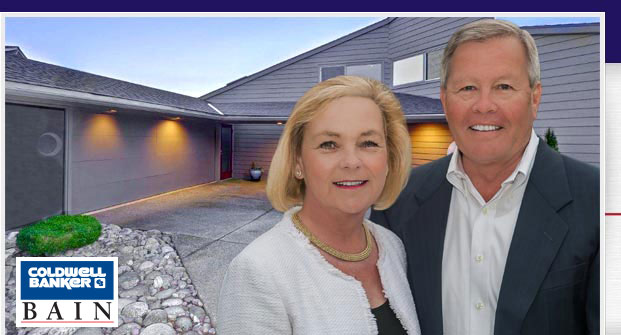



Welcome to Wangsness Connections, your connection to the finest homes and condominiums for sale in Seattle, and Seattle-Eastside communities of Bellevue, Medina, Issaquah, Clyde Hill, Capitol Hill, Madison Park, Laurelhurst, Magnolia, Queen Anne, Alki, Lake Washington, Lake Sammamish, Woodinville, and Kirkland.
View our featured properties , search for homes and condominiums for sale throughout the Seattle, Bellevue and Seattle Eastside area, check out our gallery of previously sold homes , listen to our weekly Northwest Real Estate Connections Radio Show , get access to extensive library of videos , audio and articles containing helpful buying, selling and home remodeling tips, and view upcoming Seattle area events .
When mortgage rates climbed past 7% in the United States, the ripple effects reached well beyond American borders. In Australia, the Reserve Bank lifted the cash rate to 4.35% in late 2023, the highest level in over a decade, forcing Sydneysiders and Melburnians to reassess what they could afford. Back in the Pacific Northwest, Seattle sellers watched buyer demand soften and began experimenting with a tool rarely needed in years past: the seller-paid rate buydown.
The concept is straightforward on paper. A seller agrees to pay a lump sum at closing that lowers the buyer's effective interest rate for a set period, often the first one, two, or three years of the loan. For a cash-strapped buyer facing a 7% monthly payment, a temporary rate of 5% can be the difference between going under contract and continuing to scroll through listings on a Sunday afternoon, flat white in hand.
Seattle's competitive landscape, with its blend of tech relocations, university hiring cycles, and a persistent shortage of mid-priced homes, has pushed sellers to think creatively. A buydown does not reduce the listing price, but it does reduce the buyer's monthly obligation, which often matters more to families juggling childcare in Bellevue or commuting from Edmonds.
A rate buydown is essentially a prepaid discount on interest. The seller hands the lender a sum at closing, credited against interest accruing in the early years of the loan. The most common variations include the 2-1 buydown, the 3-2-1 buydown, and a more permanent reduction through discount points. Each structure appeals to a different kind of buyer, and each carries a different price tag.
| Buydown type | Buyer's rate effect | Typical seller cost | Best suited for |
|---|---|---|---|
| 2-1 buydown | Year 1 reduced by 2%, Year 2 by 1%, then reverts | 2% to 3% of loan amount | Buyers planning to refinance within 24 months |
| 3-2-1 buydown | Years 1-3 step down by 1% each | 3% to 5% of loan amount | Buyers expecting rates to fall within three years |
| Permanent points | Full-term rate reduction of 0.25% to 1% | 1% to 4% of loan amount | Long-term owners prioritising low monthly payments |
| Seller credit | Direct lender credit applied to rate | Negotiable | Buyers wanting flexibility on rate structure |
These figures reflect typical structures in the Seattle market through 2025. Temporary buydowns have surged because they let buyers believe relief is on the horizon. If the Federal Reserve eases policy, a borrower who locked in a 5% first year may refinance before paying full freight. Sellers in Kirkland and Issaquah are quietly banking on that optimism.
The simplest reason is monthly payment. A $900,000 home financed at 7% carries a monthly figure roughly $1,000 higher than the same home at 5%. For a young family relocating to take a job at Amazon or the Fred Hutchinson Cancer Center, that delta can knock them out of qualification. By absorbing the buydown cost, a seller widens the pool of qualified buyers without dropping the headline price.
There is also a strategic signalling effect. A buydown tells the market that the seller is motivated and informed. Offering a 2-1 buydown can shorten the marketing period and reduce the risk of price reductions. Faster closings mean lower carrying costs, fewer mortgage payments while the property sits empty, and a reduced chance of a deal collapsing during inspection contingencies.
Another, less obvious benefit is appraisal management. A buydown that keeps the price firm while improving affordability can strengthen the loan file. Lenders look favourably on transactions where the borrower's debt-to-income ratio stays comfortably under 45%, which is often the target threshold in metro Seattle.
Imagine a Bellevue townhouse listed at $1.2 million with a buyer putting 20% down and financing $960,000. At a 7% rate, the monthly payment sits near $6,390. A 2-1 buydown costing the seller roughly $28,000 would drop the first-year payment to about $5,650 and the second-year payment to roughly $6,030. Those savings matter against rising childcare costs and the realities of a dual-income household managing school runs across the I-90 bridge.
Compare that to a straight $25,000 price reduction, which only lowers the loan balance and reduces the payment by about $150 per month. The buydown delivers roughly four times the monthly cash-flow benefit in year one. Sellers who understand this arithmetic are willing to trade headline price for payment relief because it sells faster.
There is a second-order calculation too. If the home sits for three extra months waiting for a price-drop buyer, the seller pays roughly $9,000 in additional mortgage, tax, and utility costs. Even a generous buydown can come out ahead against opportunity cost. That is why the approach has spread into the entry-level condo market around South Lake Union.
Australians watching the Seattle experiment from Brisbane or Perth will recognise familiar themes. The Reserve Bank's tightening cycle, combined with state stamp duty burdens and the federal Help to Buy shared-equity scheme, has produced a generation of buyers acutely aware of monthly cash flow. Sydney buyers who once stretched to 60% loan-to-income ratios now routinely cap themselves at 50%, especially when servicing an investment property alongside a principal residence.
The Australian market has historically leaned on vendor-paid stamp duty assistance rather than rate buydowns, simply because lenders here price fixed-rate loans differently and prepayment penalties can be steep. That structural difference means the buydown concept has not crossed the Tasman in the same form. Still, sellers in Adelaide and Canberra who watched Seattle listings close faster have begun asking their agents about creative finance concessions. ASIC's tightened lending standards make the precise mechanics different, but the underlying motivation is identical.
A second lesson sits in the data. CoreLogic reporting has consistently shown that homes priced from the outset at a realistic level sell faster and closer to asking than those that start high and chase the market down. A Seattle buydown operates on the same principle: front-load the concession to avoid a slow, bruising negotiation. Buyers, whether in Seattle or in Sydney's inner west, reward sellers who respect their time and their budget.
A buydown is not free money. The seller's concession comes straight off the proceeds at closing, which can complicate estate planning, capital gains calculations, or the timing of a subsequent purchase. Sellers who have signed a contract on their next home need to confirm that reduced net proceeds still cover their down payment and closing costs.
There is also a buyer perception risk. Some savvy purchasers, particularly those with finance backgrounds from companies like Boeing or Microsoft, will look at the buydown and wonder what the seller is hiding. If the home has been on the market for a stretch, or if a defect was recently remediated, a concession can inadvertently raise red flags. Disclosures must remain accurate, and the rationale should be framed as a market response. Sellers thinking through ADU legal considerations alongside a buydown need to be especially careful about how the two interact on the closing disclosure.
Finally, the buydown assumes a future of falling rates or rising income. If the Federal Reserve keeps policy restrictive and the buyer's household income does not grow, the rate reversion at year three could create hardship. Responsible sellers work with their agents to vet buyer qualifications carefully, ensuring that the borrower can still afford the fully indexed payment. Skipping that step turns a marketing tool into a moral hazard.
Every Seattle neighbourhood carries its own micro-market, and the right buydown structure shifts accordingly. A starter condo in Ballard attracts a different buyer profile than a Mercer Island estate, and the concession should be sized to match the local payment-to-income ratios. Agents who track weekly showing data and sale-to-list-price spreads are best positioned to advise whether a 2-1, a 3-2-1, or a straight credit to closing costs will move the needle.
The team at Wangsness Connections brings that neighbourhood-level lens to every conversation. They have watched buydowns become standard practice in some price bands while remaining rare at the upper end. That nuance matters, and the question of whether to offer a concession or simply adjust the price is a recurring one. The decision between dropping the asking price and holding firm is unpacked in a separate Wangsness Connections article for sellers weighing that exact trade-off.
Working with agents who understand both the financial structure of a buydown and the emotional rhythm of a negotiation is the surest path to a result that respects the seller's bottom line while welcoming the right buyer through the door. Reach out to Patricia and David Wangsness to talk through your specific property, your timing, and whether a rate buydown fits your next move.

Listen live to Patricia and David's radio show Northwest Real Estate Connections every Wednesday from 3-4 PM Pacific Time on AM 1300 KKOL [ Listen Live ], and 1:00 pm to 2:00 pm every Sunday on Freedom AM1590.

A unique webshow is devoted to the Art, Science and Timing of Real Estate.
View our latest show where Professional photographer Drew Rice gives tips and advice for preparing your home for a photoshoot.. | [ View Now ]
Sign up for our Email Newsletter
