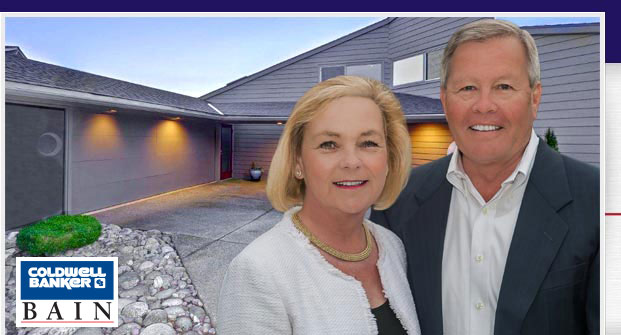



Welcome to Wangsness Connections, your connection to the finest homes and condominiums for sale in Seattle, and Seattle-Eastside communities of Bellevue, Medina, Issaquah, Clyde Hill, Capitol Hill, Madison Park, Laurelhurst, Magnolia, Queen Anne, Alki, Lake Washington, Lake Sammamish, Woodinville, and Kirkland.
View our featured properties , search for homes and condominiums for sale throughout the Seattle, Bellevue and Seattle Eastside area, check out our gallery of previously sold homes , listen to our weekly Northwest Real Estate Connections Radio Show , get access to extensive library of videos , audio and articles containing helpful buying, selling and home remodeling tips, and view upcoming Seattle area events .
Buying a home in Washington involves more than agreeing on a price and arranging finance. The buyer is also acquiring a bundle of legal rights connected to the land, buildings, easements and previous transfers. Title insurance helps protect those rights when an undiscovered problem reaches back into the property’s history.
For Australian buyers, the concept can feel unfamiliar. A Torrens title search in New South Wales, Victoria or Queensland generally provides a clear government-backed record of registered interests. In Washington, ownership is established through a chain of recorded documents, and a title company investigates that chain before issuing insurance.
The policy is designed to manage certain title risks rather than guarantee the home’s condition or investment performance. Understanding what is covered, what is excluded and which policy you need can prevent expensive surprises during a Seattle or Bellevue purchase.
| Protection or issue | Usually addressed by title insurance? | Important qualification |
|---|---|---|
| Previous owner’s unpaid mortgage | Yes | The title company must identify and clear it, or provide covered protection |
| Unknown inheritance claim | Often | The claim must fall within the policy terms and exclusions |
| Forged deed or signing authority | Often | Fraud and forgery coverage has policy conditions |
| Boundary or survey problem | Sometimes | Enhanced coverage may be required |
| Building defects or poor workmanship | No | Arrange inspections and specialist reports |
| Future market value decline | No | Title insurance is not property-price insurance |
| Known easement or covenant | Usually no | Matters shown in the policy or accepted by the buyer are commonly excluded |
Title insurance protects against financial loss caused by defects in ownership or other interests affecting the property. Before settlement, a title and escrow company searches public records, checks the legal description and identifies mortgages, liens, judgments, easements and other recorded claims.
If a covered defect is discovered after the buyer becomes the owner, the insurer may defend the buyer’s title, negotiate with the claimant, correct the defect or pay a covered loss up to the policy limit. This is different from ordinary home insurance, which generally responds to physical damage from events such as fire, theft or storms.
The protection usually relates to matters that existed before the policy date. It does not provide a general promise that the home is a sound purchase, that the neighbourhood will perform well or that every possible dispute will be resolved in the buyer’s favour.
Common covered risks include an unknown lien from a former owner, a previously undisclosed mortgage, an invalid deed, a forged signature or a person improperly claiming an interest in the property. Errors in public records and certain recording mistakes may also be covered, depending on the wording.
An owner’s policy can be particularly valuable when a property has passed through several owners, an estate, a divorce or a private transaction. For example, a distant heir might later allege that a former owner lacked authority to sell. If the claim falls within the policy, the insurer may provide legal representation and manage the title dispute.
Some policies also address access rights, restrictions, encroachments and survey matters. The level of protection varies significantly between a standard policy and an enhanced policy, so the buyer should review the actual exceptions rather than rely on a general description of “full coverage.”
Title insurance generally does not cover defects the buyer already knows about, matters specifically listed as exceptions, changes created after settlement or issues caused by the buyer’s own actions. A recorded easement shown in the title commitment may remain an exclusion because it is an identified condition accepted as part of the purchase.
It also does not replace a building inspection, pest inspection, sewer scope, structural assessment or appraisal. Water intrusion, electrical faults, asbestos, unapproved renovations and poor drainage are physical or regulatory issues, not usually title defects. Buyers considering an older Seattle home should investigate these separately.
Zoning, development potential, contamination, short-term rental rules and changes to local planning controls may also sit outside the policy. A buyer who wants to renovate a Bellevue condominium should separately review the strata or homeowners association documents, alteration rules, reserve funding and special assessments.
A lender’s title policy protects the mortgage lender, not the homeowner. Most financed purchases require it because the lender wants its security interest to have the correct priority. If a covered title problem threatens the lender’s mortgage, the policy responds to the lender’s loss.
An owner’s policy protects the buyer’s equity. It is commonly purchased at settlement for a one-time premium and can remain in force for as long as the buyer, or the buyer’s heirs in some circumstances, retains an interest in the property. Paying for the lender’s policy does not automatically protect the owner.
Cash buyers do not need a lender’s policy, but they should consider whether an owner’s policy is worthwhile. A title dispute can consume substantial legal fees even when the buyer ultimately succeeds, making the cost of protection easier to assess as part of the full acquisition budget.
After an offer is accepted, the escrow and title company prepares a title commitment. This document identifies the proposed insured owner, legal description, required documents and exceptions. The buyer, real estate agent and conveyancer or attorney should examine it before closing rather than treating it as routine paperwork.
The seller may need to pay off existing loans, judgments or tax obligations so that clear title can transfer. Washington also has recording requirements and real estate excise tax rules; the seller commonly pays the state and local excise tax, although the contract controls the final allocation. Title and escrow charges can likewise be negotiated.
A Washington title record is not the same as an Australian state land registry certificate. An Australian purchaser may be accustomed to a conveyancer confirming registered interests through a Torrens system search, while a Washington buyer must pay close attention to the title commitment, deed language and recorded exceptions. In either market, the legal description matters more than the property’s street address.
Australian buyers relocating to Seattle, Redmond or Bellevue should allow time for US-style escrow and title review. The process can feel less centralised than settlement in Melbourne or Sydney, where conveyancers routinely coordinate searches, adjustments and electronic settlement. A Washington real estate professional can help explain which decisions belong to the buyer, lender, escrow officer and title insurer.
Condominium purchasers need extra care. The title policy may cover ownership of the unit, but it will not normally tell the whole story about building finances or owners corporation-style obligations. Review the association declaration, bylaws, meeting minutes, insurance, reserve studies, pending litigation and special assessments before the inspection or review deadline expires.
Title insurance should also be viewed as a measured risk-transfer decision, not a wager on whether a hidden problem appears. It is fundamentally different from speculative activities such as Postepay casino betting, because the policy is intended to respond to defined financial risks connected with an existing property interest.
The best time to resolve a title issue is before closing, when the seller, escrow officer and title company can still correct documents or clear liens. Buyers should ask specific questions about exclusions and whether an enhanced policy changes the treatment of survey, access or encroachment risks.
For a Seattle, Bellevue or Eastside purchase, professional guidance can connect the title review with the contract deadlines, financing conditions and property-specific due diligence. Speak with the Wangsness Connections team early in the transaction so your purchase decision is supported by a clear understanding of ownership, title protection and the obligations attached to the home.

Listen live to Patricia and David's radio show Northwest Real Estate Connections every Wednesday from 3-4 PM Pacific Time on AM 1300 KKOL [ Listen Live ], and 1:00 pm to 2:00 pm every Sunday on Freedom AM1590.

A unique webshow is devoted to the Art, Science and Timing of Real Estate.
View our latest show where Professional photographer Drew Rice gives tips and advice for preparing your home for a photoshoot.. | [ View Now ]
Sign up for our Email Newsletter
