



Welcome to Wangsness Connections, your connection to the finest homes and condominiums for sale in Seattle, and Seattle-Eastside communities of Bellevue, Medina, Issaquah, Clyde Hill, Capitol Hill, Madison Park, Laurelhurst, Magnolia, Queen Anne, Alki, Lake Washington, Lake Sammamish, Woodinville, and Kirkland.
View our featured properties , search for homes and condominiums for sale throughout the Seattle, Bellevue and Seattle Eastside area, check out our gallery of previously sold homes , listen to our weekly Northwest Real Estate Connections Radio Show , get access to extensive library of videos , audio and articles containing helpful buying, selling and home remodeling tips, and view upcoming Seattle area events .
A home with a swimming pool can offer an appealing lifestyle in Seattle, Bellevue, and nearby Eastside communities, especially for buyers who envision long summer afternoons outdoors. It can also create extra questions about maintenance, operating costs, drainage, safety, and the length of the usable season.
The Pacific Northwest climate makes preparation especially important. Rainy winters, cool spring temperatures, shaded yards, and occasional windstorms affect how a pool looks and performs during the selling process. A well-presented property should show buyers that the pool is an asset rather than an unresolved responsibility.
Sellers can strengthen their position by completing practical maintenance, organizing records, and pricing the home according to local buyer expectations. The right preparation helps prospective buyers understand both the enjoyment and the care that come with a pool.
Begin by explaining the pool’s basic specifications. Include its age, dimensions, depth, surface material, heating system, filtration equipment, cover, and approximate annual operating costs. Buyers will feel more comfortable when they can evaluate the feature using clear information rather than guesswork.
Describe the pool’s seasonal use honestly. In many Northwest neighborhoods, a pool may be most attractive from late spring through early fall, while a heater or covered outdoor living area can extend its usefulness. If the pool is heated, document the system’s age and service history. If it is unheated, present it as part of a broader outdoor-living experience rather than implying year-round use.
A short written summary can be included in the listing materials or provided during showings. It should also identify routine tasks such as winterizing, water treatment, filter cleaning, and opening the system in spring.
Rain management is a central concern for any property with a pool in the Puget Sound region. Inspect gutters, downspouts, drains, retaining walls, grading, and the surfaces around the pool. Water should move away from the house, pool equipment, and entertaining areas without creating standing puddles or erosion.
Have the pool professionally serviced before photography and showings. Clear water, clean tile lines, an orderly equipment area, and an intact cover immediately communicate responsible ownership. Repair minor leaks, damaged coping, loose pavers, cracked decking, and worn fencing before these defects become negotiation points.
Pay close attention to the pool house or mechanical enclosure. It should be dry, ventilated, accessible, and free of clutter. Buyers may inspect pumps, heaters, electrical connections, and plumbing, so a clean and organized equipment area can make a meaningful difference.
A pool rarely sells by itself. Buyers respond to the complete setting: privacy, landscaping, seating, lighting, shade, storage, and the connection between indoor and outdoor spaces. Trim overgrown plants, remove moss from walkways, wash hardscape surfaces, and replace tired cushions or faded umbrellas.
Use staging to show how the area functions. A few tasteful lounge chairs, a dining setting, neatly folded towels, and strategically placed planters can suggest comfortable entertaining without making the property feel crowded. Keep the visual emphasis on space and ease of maintenance.
Consider the Northwest’s changing weather when preparing the yard. A covered patio, retractable awning, outdoor heater, or sheltered seating area can help buyers imagine using the space beyond the warmest days. Avoid overinvesting in improvements that have little relationship to the neighborhood’s market value.
| Selling Concern | Practical Preparation | Buyer Benefit |
|---|---|---|
| Rain and drainage | Clean gutters, test drains, and correct standing water | Greater confidence in long-term upkeep |
| Aging equipment | Service or replace failing pumps, filters, and heaters | Fewer immediate repair concerns |
| Seasonal use | Explain heating, covers, and winterization procedures | Clear understanding of the pool’s value |
| Safety | Maintain fencing, gates, alarms, and secure access | Reassurance for households with children or pets |
| Maintenance costs | Provide utility and service estimates | More accurate ownership budgeting |
| Outdoor presentation | Clean hardscape and stage the entertaining area | Stronger emotional appeal during showings |
Confirm that the pool, deck, fencing, electrical work, and related structures were properly permitted when required. Local rules can vary by municipality, and buyers may request documentation during due diligence. If records are incomplete, address the issue early with the appropriate city or county department instead of waiting for an offer.
Pool safety deserves special attention. Gates should close and latch correctly, fencing should be secure, and alarms or safety covers should function as intended. Remove toys, chemicals, tools, and unsecured furniture from the immediate area. A safety review by a qualified professional may be worthwhile if the installation is older.
Keep invoices, inspection reports, warranties, water-quality records, and maintenance contracts together. Documentation can support the home’s condition and help an interested buyer take over established service arrangements. It may also prevent minor uncertainty from becoming a larger price objection.
The best selling window depends on the property, neighborhood, condition, and broader market, but pool homes often photograph most effectively when landscaping is healthy and the water feature is clean and operational. Late spring and summer can help buyers experience the property’s outdoor appeal, although strong presentation matters in every season.
A winter listing can still succeed when the home offers compelling indoor features and the pool area is well maintained. Professional photography can show the setting clearly, while seasonal images from brighter months may help buyers understand the yard’s potential. Avoid presenting a closed or neglected pool without context.
Pricing should reflect the complete property rather than adding the installation cost directly to the asking price. A pool may attract some buyers and discourage others because of upkeep, liability, or limited seasonal use. A local comparative market analysis can show how similar homes with outdoor amenities have performed.
For owners considering a move, reviewing available equity may clarify how much flexibility exists for repairs, staging, or the next purchase. The guidance on using existing equity can be useful when evaluating a move-up strategy alongside the sale.
Listing language should connect the pool to the way buyers live. Describe private summer entertaining, morning exercise, relaxed weekends, or a seamless relationship between the kitchen, patio, and yard. Specific details are more persuasive than broad claims about luxury.
Use a combination of wide exterior images, close-up details, twilight photography, and aerial views when appropriate. Show the pool’s relationship to the house, neighboring properties, landscaping, and covered areas. If the pool is closed for the season, clean images of the equipment and surrounding space can still present it professionally.
During showings, keep the water clear, equipment quiet, and walkways dry. Open curtains to connect interior rooms with the yard, turn on outdoor lighting for evening appointments, and maintain a comfortable temperature in covered areas. Buyers should be able to picture the pool as an enjoyable part of daily life rather than a project they must immediately manage.
A short preparation schedule can keep the process organized and protect the budget. Start with safety and water management, then address visible cosmetic details. Major improvements should be evaluated through the lens of likely buyer response and local comparable sales.
Before the first showing, complete these practical tasks:
Work with a real estate professional who understands Seattle and Eastside properties with distinctive outdoor features. Local knowledge can help determine which improvements are worthwhile, how to describe seasonal value, and how to position the home among competing listings.
With thoughtful preparation, a pool can become a memorable feature that supports the home’s broader appeal. Contact Wangsness Connections to discuss a property-specific pricing strategy, presentation plan, and marketing approach for selling a pool home in the Pacific Northwest.

Listen live to Patricia and David's radio show Northwest Real Estate Connections every Wednesday from 3-4 PM Pacific Time on AM 1300 KKOL [ Listen Live ], and 1:00 pm to 2:00 pm every Sunday on Freedom AM1590.
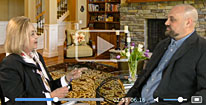
A unique webshow is devoted to the Art, Science and Timing of Real Estate.
View our latest show where Professional photographer Drew Rice gives tips and advice for preparing your home for a photoshoot.. | [ View Now ]
Sign up for our Email Newsletter
