



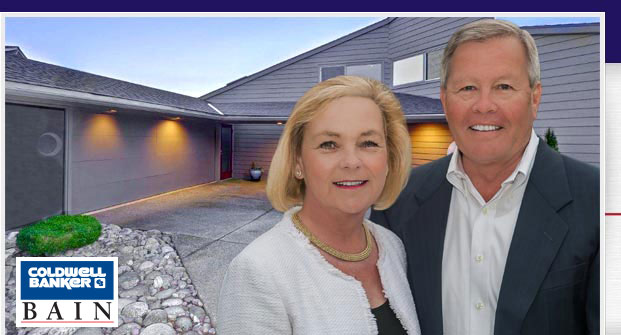



Welcome to Wangsness Connections, your connection to the finest homes and condominiums for sale in Seattle, and Seattle-Eastside communities of Bellevue, Medina, Issaquah, Clyde Hill, Capitol Hill, Madison Park, Laurelhurst, Magnolia, Queen Anne, Alki, Lake Washington, Lake Sammamish, Woodinville, and Kirkland.
View our featured properties , search for homes and condominiums for sale throughout the Seattle, Bellevue and Seattle Eastside area, check out our gallery of previously sold homes , listen to our weekly Northwest Real Estate Connections Radio Show , get access to extensive library of videos , audio and articles containing helpful buying, selling and home remodeling tips, and view upcoming Seattle area events .
Buying a home is a major financial decision, and the headline price rarely tells the whole story. A newer property may cost more upfront but offer predictable maintenance, modern energy systems and fewer immediate disruptions. An older home may look like a bargain until renovation, compliance work, temporary accommodation and rising material costs are included.
For Australian buyers considering a Seattle relocation, investment or lifestyle purchase, the comparison also involves exchange rates, US property taxes, insurance and different building standards. The same disciplined approach used when comparing a terrace in Sydney, a weatherboard in Melbourne or a townhouse on the Gold Coast can help assess a home in Seattle, Bellevue or another Eastside community.
A newer home generally offers clearer cost forecasting. The roof, plumbing, electrical systems, windows and heating equipment are less likely to need immediate replacement, which can make household budgeting more comfortable. Builders’ warranties may cover selected defects, although buyers should read the terms carefully and arrange an independent inspection.
An older property can have a lower purchase price and a more established location, but its renovation budget needs to cover more than paint and cabinetry. Structural repairs, asbestos management, drainage, outdated wiring and hidden water damage can quickly turn a cosmetic project into a major capital commitment. In Australia, buyers are familiar with this risk when a building inspection reveals rising damp, termite activity or non-compliant alterations.
The opportunity cost matters as well. Money spent on a renovation cannot be invested elsewhere, used for a larger deposit or retained as an emergency reserve. If the work takes nine months, the owner may also pay rent, storage and loan costs while waiting for the property to become liveable.
Kitchen and bathroom renovations are often the areas where older homes create the greatest financial uncertainty. Cabinets, stone or porcelain surfaces, appliances, lighting, flooring and labour all interact, and a change in one item can affect several others. A midcentury home in Bellevue, for example, may need careful updating to preserve its character while meeting contemporary expectations. This Bellevue kitchen budgets resource helps frame the choices around materials and scope.
Australian homeowners will recognise the effect of tradie availability and supply delays. In Melbourne or Brisbane, a renovation can be extended by shortages of licensed trades, council approvals or imported fixtures. In Seattle, similar delays can arise through contractor schedules, permitting and specialist work on older homes. A realistic contingency fund is essential; setting aside a percentage for unknowns is usually wiser than assuming the first quote is the final figure.
There is also a financing question. A buyer may fund improvements through cash, a renovation loan or increased borrowing against the property. Interest on that additional debt changes the break-even point. If the finished home is worth more, the uplift may still fail to cover the renovation cost, financing expense and the owner’s time.
Newer homes tend to benefit from better insulation, efficient windows, modern heating and cooling systems, and appliances with lower operating costs. In Seattle’s damp winters, heating performance and moisture control can make a meaningful difference to comfort and utility bills. A high-performance home may also be easier to insure and more attractive to future buyers.
Older homes can be improved, but the payback varies. Replacing single-glazed windows, upgrading insulation or installing efficient heating may reduce energy use, yet the owner must compare those savings with the upfront expenditure. Solar power, heat pumps and battery systems also have different economics depending on the home’s orientation, local incentives and electricity rates.
Australian buyers should avoid treating an energy upgrade as an automatic profit centre. A home in Perth may face cooling costs, while a property in Hobart has different heating demands. Likewise, Seattle and Bellevue buyers need to consider local weather, the condition of the building envelope and the age of the mechanical systems. The strongest financial case usually comes from improvements that solve a known defect and improve everyday liveability.
An older home in a desirable neighbourhood can outperform a newer property in a less established area. Walkability, school access, transport, parks, employment centres and future development all influence resale demand. In Seattle, proximity to sought-after urban districts can support long-term appeal, while Bellevue and nearby Eastside communities attract buyers seeking technology employment, amenities and high-quality housing.
This is familiar to Australians. A renovated house in an established inner suburb may command stronger demand than a larger new build far from rail, shops or employment. Strata fees, council rates, insurance premiums and potential special levies should be included when comparing condominiums with detached homes. A shiny new apartment is not automatically cheaper to own if building defects or substantial strata works emerge later.
Relocation buyers should assess the neighbourhood before becoming attached to a floor plan. The Seattle and Bellevue guide can help Australians understand how different communities suit varied lifestyles, from urban convenience to Eastside family living. A local agency can also explain resale patterns, commute considerations and the practical differences between a new development and an older property that has been carefully maintained.
The most useful calculation is a five- to ten-year ownership model rather than a simple comparison of listing prices. Estimate the purchase cost, taxes, financing, insurance, maintenance, planned improvements and likely resale value. For an Australian buyer, convert the figures into both US dollars and Australian dollars, then allow for exchange-rate movement rather than relying on a single day’s conversion.
A building inspection and contractor consultations can sharpen the estimate. Ask which repairs are urgent, which are optional and which improvements are likely to add value in that specific neighbourhood. It is also sensible to distinguish between personal preferences and market-supported upgrades: bespoke finishes may make a home perfect for one owner without increasing its resale price.
Costs to include for a newer home
Costs to include for an older home
| Financial factor | Newer home | Older home with renovation |
|---|---|---|
| Upfront price | Often higher | May be lower |
| Cost certainty | Usually easier to forecast | Greater risk of hidden defects |
| Maintenance | Often lower in early years | Can be substantial and uneven |
| Energy costs | More likely to be efficient | Improvements may require major investment |
| Personalisation | Limited unless altered later | Strong potential for customisation |
| Resale risk | Depends on location and development quality | Depends on renovation quality and neighbourhood |
| Time commitment | Generally quicker to occupy | May involve months of planning and disruption |
The financially stronger choice depends on the gap between the properties, the buyer’s available cash and the value of their time. A newer home can be the better decision when certainty, immediate occupancy and lower maintenance are priorities. Renovating can make sense when the location is exceptional, the structure is sound and the purchase discount comfortably exceeds the total improvement budget.
For buyers moving from Australia to the Pacific Northwest, professional guidance can prevent expensive assumptions about local contracts, inspections and neighbourhood values. Patricia and David Wangsness assist clients with purchasing, selling and relocating across Seattle, Bellevue and nearby communities, helping buyers assess both the property and the broader ownership decision. Contact Wangsness Connections to compare suitable homes, review renovation potential and build a realistic financial plan before making an offer.

Listen live to Patricia and David's radio show Northwest Real Estate Connections every Wednesday from 3-4 PM Pacific Time on AM 1300 KKOL [ Listen Live ], and 1:00 pm to 2:00 pm every Sunday on Freedom AM1590.

A unique webshow is devoted to the Art, Science and Timing of Real Estate.
View our latest show where Professional photographer Drew Rice gives tips and advice for preparing your home for a photoshoot.. | [ View Now ]
Sign up for our Email Newsletter
