



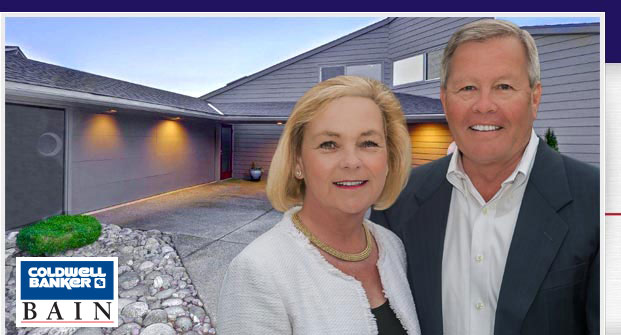



Welcome to Wangsness Connections, your connection to the finest homes and condominiums for sale in Seattle, and Seattle-Eastside communities of Bellevue, Medina, Issaquah, Clyde Hill, Capitol Hill, Madison Park, Laurelhurst, Magnolia, Queen Anne, Alki, Lake Washington, Lake Sammamish, Woodinville, and Kirkland.
View our featured properties , search for homes and condominiums for sale throughout the Seattle, Bellevue and Seattle Eastside area, check out our gallery of previously sold homes , listen to our weekly Northwest Real Estate Connections Radio Show , get access to extensive library of videos , audio and articles containing helpful buying, selling and home remodeling tips, and view upcoming Seattle area events .
Seattle’s waterfront properties offer an unusually broad mix of urban convenience, natural beauty and boating access. Buyers may find a traditional shoreline house, a condominium near Lake Union, a floating home, or a residence on Puget Sound with a private dock. Each option carries different responsibilities, costs and restrictions.
For Australian buyers relocating from Sydney, Brisbane, Melbourne or Perth, the basic appeal is familiar: water views, outdoor living and proximity to employment centres. The ownership details are different, however. Seattle-area waterfront transactions require careful review of moorage rights, shoreline structures, insurance, permitting and seasonal water conditions before a buyer commits.
A view of the water does not necessarily mean direct water access. Some homes sit across a public road from the shore, while others have shared docks, private piers or no legal right to launch a kayak. A listing may describe “waterfront living” when the practical experience is a panoramic outlook rather than a place to keep a vessel.
Ask exactly what conveys with the sale. The answer may include a deeded slip, a transferable moorage agreement, membership in a marina association or an informal arrangement with neighbours. These rights can have separate fees, expiry dates and rules about vessel length, liveaboards, repairs and guest use.
The type of water also affects daily life. Lake Washington and Lake Union provide different boating conditions from Puget Sound, where currents, wind exposure and saltwater corrosion can influence maintenance. A buyer accustomed to Sydney Harbour should still arrange a local inspection, since Seattle’s tides, winter storms and cooler water create their own risks.
A private dock or marina slip is often treated as a lifestyle feature, yet it may function as a separate asset from the house. Review the recorded documents and association records to determine whether the buyer owns the structure, leases the space, or receives a limited licence. Some arrangements cannot be transferred without marina approval.
Confirm the permitted boat dimensions, electrical supply, water access, pump-out facilities and parking arrangements. A slip suitable for a small runabout may not accommodate a larger cruiser. Dock access can also change with water levels, and a low-tide inspection may reveal clearance problems that are invisible during a convenient daytime viewing.
Ongoing expenses deserve a realistic budget. Moorage dues, dock assessments, utility charges, haul-outs, pilings, corrosion control and winter storm repairs can add substantially to ownership costs. A marina association may also impose special assessments for floating dock replacement or dredging, much as an Australian strata scheme may levy an owners corporation for major works.
Bulkheads protect shoreline property from erosion, wave action and soil movement, but they are not permanent barriers. Older seawalls may be built from timber, concrete, steel or mixed materials, and their condition can vary dramatically along a single waterfront block. The visible face may look sound while hidden anchors, footings or backfill have deteriorated.
Hire a qualified marine or structural engineer to inspect the bulkhead, shoreline edge, drainage and adjacent slopes. Look for leaning walls, displaced caps, cracking, exposed tiebacks, sinkholes, standing water and soil loss behind the structure. Large trees close to a wall can also place pressure on foundations and drainage systems.
Repairs are rarely as simple as replacing a few boards. Washington shoreline regulations, local critical-area rules and permits may control repairs, replacement, shoreline armouring, habitat protection and work below the ordinary high-water mark. The seller should provide permits, engineering reports, invoices and records of previous enforcement issues. Never assume that a structure is legal simply because it has been there for decades.
| Waterfront Feature | What The Buyer May Receive | Main Cost Or Risk | Key Review |
|---|---|---|---|
| Private dock | Ownership or limited use rights | Repairs, permits, storm damage | Deed, permits and inspection |
| Marina slip | Lease, licence or association share | Dues, assessments and transfer limits | Marina rules and agreement |
| Bulkhead | Shoreline protection structure | Erosion, reconstruction and permitting | Engineer’s report and records |
| Floating home | Residence with moorage arrangement | Slip fees, utilities and resale limits | Title, moorage and lender requirements |
| Waterfront condominium | Unit plus shared shoreline facilities | Owners association assessments | Budget, reserve study and bylaws |
Waterfront properties can be harder to insure than inland homes. Standard homeowners coverage may exclude flooding, earth movement, gradual deterioration or certain dock-related losses. A floating home may require a specialist policy, while a residence near a tidal shoreline may need separate flood coverage even when the building sits above the mapped risk area.
Request insurance indications before waiving contingencies. Insurers may ask for bulkhead age, elevation certificates, prior claims, electrical details and dock construction records. A property that appears affordable can become impractical when premiums, deductibles and exclusions are fully understood.
Lenders also assess waterfront properties differently. Floating homes, unusual construction, private roads and limited comparable sales can narrow the finance options. Buyers should obtain financing advice early and confirm that the loan product accepts the specific property type. Australian purchasers should also obtain independent US tax and legal advice, particularly regarding currency transfers, ownership structures and possible US reporting obligations.
Australian buyers are familiar with building and pest reports, strata records and conveyancers, but the Seattle process has its own sequence. A local real estate professional can coordinate specialists while the buyer’s US attorney, tax adviser and lender address matters outside the agent’s role.
Before making an offer, organise the following checks:
Pay attention to the difference between a US real estate inspection and the reports commonly used in Australia. A general inspector may identify obvious defects but may not assess pilings, underwater footings, seawalls or marine electrical systems. Specialist inspections should be written into the offer as appropriate.
Useful questions for the property file include:
Seattle’s market also has local timing considerations. A buyer from Brisbane may be used to discussing flood resilience in a subtropical climate, while Seattle buyers often focus on winter rain, drainage and seismic conditions. In all cases, the property’s inspection and document review should reflect its exact shoreline setting rather than relying on broad neighbourhood assumptions.
An offer on a waterfront home should account for more than price. Inspection periods, document review, financing, insurance and approval of moorage arrangements may need explicit treatment. The right terms can give a buyer time to investigate a seawall without making the offer unnecessarily weak.
Short sales and distressed properties require additional care because the seller’s lender may control the approval process and may not provide the same level of repair information. Buyers considering that path can review this offer strategy guide before setting expectations about timing, contingencies and negotiation.
After settlement, create a recurring maintenance plan. Keep records of inspections, pressure washing, corrosion treatment, drainage work and permit correspondence. For a shared facility, attend association meetings and read reserve studies. For a private shoreline, set aside funds each year rather than waiting for visible failure.
The strongest purchase is one where the water access, structure and future obligations are clearly understood. Wangsness Connections helps buyers evaluate Seattle, Bellevue and nearby Eastside opportunities, including relocation support for clients moving to the region. Contact Patricia or David Wangsness to discuss waterfront homes, moorage arrangements and the professional inspections needed to move forward with confidence.

Listen live to Patricia and David's radio show Northwest Real Estate Connections every Wednesday from 3-4 PM Pacific Time on AM 1300 KKOL [ Listen Live ], and 1:00 pm to 2:00 pm every Sunday on Freedom AM1590.

A unique webshow is devoted to the Art, Science and Timing of Real Estate.
View our latest show where Professional photographer Drew Rice gives tips and advice for preparing your home for a photoshoot.. | [ View Now ]
Sign up for our Email Newsletter
