



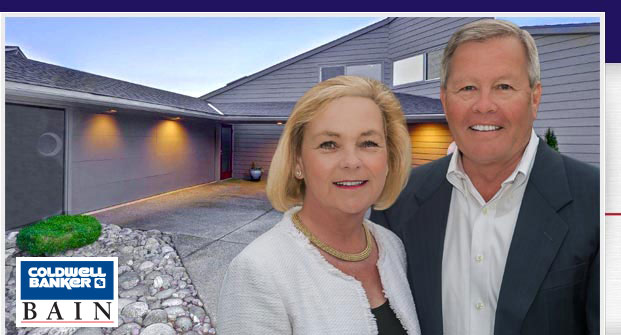



Welcome to Wangsness Connections, your connection to the finest homes and condominiums for sale in Seattle, and Seattle-Eastside communities of Bellevue, Medina, Issaquah, Clyde Hill, Capitol Hill, Madison Park, Laurelhurst, Magnolia, Queen Anne, Alki, Lake Washington, Lake Sammamish, Woodinville, and Kirkland.
View our featured properties , search for homes and condominiums for sale throughout the Seattle, Bellevue and Seattle Eastside area, check out our gallery of previously sold homes , listen to our weekly Northwest Real Estate Connections Radio Show , get access to extensive library of videos , audio and articles containing helpful buying, selling and home remodeling tips, and view upcoming Seattle area events .
A home appraisal can influence whether a sale closes, how much a lender will finance, or whether a refinance moves forward. In Washington’s competitive markets, the appraised value also provides an independent opinion of what a property is worth based on its condition, location, features, and recent comparable sales.
Preparation is especially important for high-value homes in Seattle, Bellevue, Kirkland, Redmond, and surrounding Eastside communities. An appraiser may recognize quality construction and distinctive amenities, but those details must be accessible, documented, and presented clearly during the inspection.
A strong result does not come from trying to influence the appraiser. It comes from making the property easy to evaluate, correcting visible defects, and giving the lender or appraiser accurate information about improvements and comparable properties.
A residential appraisal estimates market value as of a specific date. The appraiser typically considers the home’s size, age, design, condition, lot, neighborhood, views, finished areas, and functional layout. Recent sales of similar properties are important, but they are only part of the analysis.
The appraisal is different from the county assessor’s valuation. An assessor’s figure is used for property tax purposes and may not reflect current market conditions or the same valuation methods used by a lender’s appraiser. A listing price is also different: it represents a seller’s strategy, while an appraisal supports a market value opinion based on evidence.
In Washington, appraisers follow professional standards and must remain independent. Homeowners should provide relevant facts without pressuring the appraiser or suggesting a desired value. A concise improvement summary, permits, and appropriate comparable information are more useful than exaggerated claims.
Walk through the property as if you were seeing it for the first time. Peeling paint, damaged flooring, leaking faucets, broken windows, loose railings, stained ceilings, and missing handrails can create an impression of deferred maintenance. Small problems may not reduce value significantly by themselves, but a pattern of neglect can affect the appraiser’s view of overall condition.
Address safety and habitability concerns first. Check smoke and carbon monoxide detectors, replace burned-out bulbs, repair trip hazards, and make sure heating, cooling, plumbing, and electrical systems operate properly. In older Seattle homes, pay attention to roof wear, basement moisture, drainage, aging wiring, and signs of water intrusion.
Avoid starting major renovations immediately before an appraisal unless the work is necessary and fully documented. A partially completed kitchen or unfinished landscaping may make the property appear less complete. If construction is underway, organize contracts, invoices, plans, and a clear explanation of what has been completed and what remains.
Create a one- or two-page information sheet for the appraiser or lender. Include the dates and costs of substantial improvements, such as a roof replacement, remodeled kitchen, upgraded windows, new furnace, custom millwork, energy-efficiency work, or a finished basement. Distinguish between permitted work and cosmetic updates.
Permits can be particularly important when a home includes an addition, converted attic, basement living area, detached office, or other altered space. Finished square footage that does not meet local requirements may be valued differently from permitted living area. Gather permit records and plans from the relevant city or county when available.
For distinctive or luxury properties, explain features that may not be obvious during a short visit. This could include high-end appliances, integrated lighting, geothermal systems, smart-home infrastructure, professional landscaping, a private dock, or exceptional architectural design. Evidence of quality is stronger when supported by receipts, specifications, warranties, and professional installation records.
Sellers preparing a Bellevue property for a seasonal listing can also review guidance on a fall market debut, particularly when presentation and timing are part of a broader marketing strategy. The same attention to condition and documentation can help an appraisal proceed smoothly.
Before the appointment, clear access to the attic, crawl space, electrical panel, furnace, water heater, garage, and exterior structures. Unlock gates and utility areas, secure pets, and replace any missing keys or remotes. If the appraiser cannot inspect an important area, the report may be delayed or may rely on limited information.
Cleanliness does not directly establish market value, but an orderly home helps the appraiser see its condition and features. Remove clutter from counters, closets, garages, and mechanical rooms. Trim overgrown landscaping, clear walkways, open blinds where appropriate, and turn on lights in darker spaces.
Prepare a short list of improvements and remain available to answer factual questions. The homeowner, listing agent, or another representative can point out updates without following the appraiser throughout the inspection. Respectful access allows the professional to work independently and efficiently.
Comparable sales, commonly called “comps,” should resemble the subject property in location, size, age, quality, design, and appeal. A nearby sale is not automatically a strong comparable if it has a different lot, view, renovation level, or architectural style. In Seattle and the Eastside, small geographic differences can matter because school boundaries, transit access, waterfront exposure, and neighborhood character vary substantially.
The following documents can help organize the valuation discussion without attempting to dictate the outcome:
| Information | Why it may matter |
|---|---|
| Recent permitted improvements | Shows investment in condition and utility |
| Contractor invoices and warranties | Supports quality, cost, and completion dates |
| Floor plans and survey documents | Clarifies layout, dimensions, and site features |
| Permit records | Helps distinguish legal finished space from unfinished or nonconforming areas |
| Relevant recent sales | Provides market context for similar properties |
| HOA documents for a condominium | Explains dues, assessments, amenities, and building information |
| Utility or efficiency records | Documents features that may affect operating costs and appeal |
A real estate professional can help identify relevant sales and explain meaningful differences. Avoid presenting a long list of unrelated properties or online estimates as if they were equivalent evidence. A focused package is easier to review and less likely to distract from the strongest facts.
Condominium appraisals involve both the individual unit and the larger building or project. The appraiser may consider the unit’s floor, orientation, parking, storage, view, upgrades, amenities, monthly dues, and recent sales within the complex. Building condition, pending assessments, litigation, reserve funding, and owner-occupancy information may also affect lender review.
Ask the HOA or management company for current documents well before the appraisal if a transaction is underway. Delays can occur when the lender needs a budget, insurance information, reserve study, meeting minutes, or details about a special assessment. Keeping these records current can reduce last-minute questions.
Luxury homes and unusual properties require careful context. A large acreage parcel, custom residence, waterfront home, or architect-designed property may have few direct comparables. Documentation of materials, craftsmanship, views, land improvements, and specialized systems can help the appraiser understand what makes the home different, even when no identical sale exists.
A calm, organized process is usually more effective than last-minute cosmetic spending. Prioritize repairs that affect safety, function, moisture control, and visible condition. Then assemble records and make sure every important part of the property can be inspected.
Use this checklist during the week before the appointment:
After the appraisal, review the report carefully when it becomes available through the lender or authorized party. Check factual details such as square footage, bedroom and bathroom counts, condition descriptions, renovations, parking, and room classification. If material errors appear, the borrower or seller can discuss the appropriate process for submitting corrections or additional information with the lender.
A thoughtful preparation process gives the appraiser better facts and gives the transaction a stronger foundation. For homeowners moving, refinancing, or selling in the Seattle region, local experience can help connect property details with the market evidence that matters. Contact Wangsness Connections to discuss your home, prepare for the valuation process, and make informed decisions about the next step.

Listen live to Patricia and David's radio show Northwest Real Estate Connections every Wednesday from 3-4 PM Pacific Time on AM 1300 KKOL [ Listen Live ], and 1:00 pm to 2:00 pm every Sunday on Freedom AM1590.

A unique webshow is devoted to the Art, Science and Timing of Real Estate.
View our latest show where Professional photographer Drew Rice gives tips and advice for preparing your home for a photoshoot.. | [ View Now ]
Sign up for our Email Newsletter
