



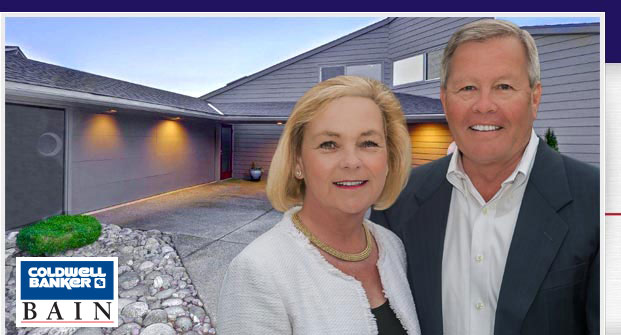



Welcome to Wangsness Connections, your connection to the finest homes and condominiums for sale in Seattle, and Seattle-Eastside communities of Bellevue, Medina, Issaquah, Clyde Hill, Capitol Hill, Madison Park, Laurelhurst, Magnolia, Queen Anne, Alki, Lake Washington, Lake Sammamish, Woodinville, and Kirkland.
View our featured properties , search for homes and condominiums for sale throughout the Seattle, Bellevue and Seattle Eastside area, check out our gallery of previously sold homes , listen to our weekly Northwest Real Estate Connections Radio Show , get access to extensive library of videos , audio and articles containing helpful buying, selling and home remodeling tips, and view upcoming Seattle area events .
Seattle-area real estate moves quickly, particularly when a well-priced home offers transit access, strong schools, thoughtful updates, or a desirable location near major employment centers. In that environment, a contingent offer can be attractive because it may lead to a higher purchase price, yet it also introduces uncertainty into the seller’s timeline.
A contingent offer generally means the buyer’s purchase depends on another event, such as selling an existing home, securing final financing, or completing a property review. The details matter. A carefully structured contingency can be manageable, while vague language or open-ended deadlines can leave one party exposed.
Buyers and sellers should treat the offer as a business decision rather than focusing only on the headline price. The strength of the buyer, the likelihood of the contingency being satisfied, the property’s market position, and the available backup options all deserve close attention.
The most common form in a move-up transaction is a home-sale contingency. The buyer wants to purchase in Seattle, Bellevue, Kirkland, or another Eastside community but needs proceeds from an existing property before completing the new purchase. The offer may also include a financing contingency, appraisal condition, inspection provision, or other contractual protections.
A seller should identify exactly which event controls the transaction. Is the buyer waiting to list a home, accept an offer, close a sale, or receive loan approval? Each stage carries a different level of risk. A buyer whose current home is already under contract with a scheduled closing is in a stronger position than someone who has not yet placed it on the market.
The contract should establish measurable deadlines and specify what happens if those deadlines are missed. Washington real estate forms and local practice can be detailed, so the parties should rely on their brokers and legal advisers for interpretation rather than assuming that everyday language has contractual meaning.
Price is important, but certainty has value. A seller evaluating a contingent proposal should review the buyer’s preapproval, down payment, liquid reserves, debt profile, and current property status. If the buyer needs a sale before obtaining a loan, ask the lender to explain the financing structure and any remaining conditions.
The buyer’s existing home deserves its own market analysis. A realistic list price, recent comparable sales, property condition, photography, marketing plan, and likely days on market can help determine whether the sale contingency is credible. An overpriced or poorly prepared home may delay the entire transaction.
Relocation buyers often need a more nuanced plan because they may be coordinating an out-of-state sale, temporary housing, school calendars, and an employment start date. Exploring Seattle area neighborhoods early can help them narrow their search and avoid making an offer before their broader move is financially and logistically ready.
A seller may accept a contingent offer while continuing to market the property. This arrangement can preserve exposure to other buyers and create leverage if a stronger, non-contingent proposal appears. The agreement should clearly state whether the seller may accept another offer and how the first buyer will be notified.
A kick-out or right-to-request-performance provision can give the contingent buyer a defined period to remove the contingency after the seller receives another acceptable offer. The buyer then chooses whether to proceed without that protection or allow the seller to move forward with the competing transaction. The exact procedure and notice requirements should be reviewed carefully.
Other useful safeguards include a substantial earnest-money deposit, proof of funds, a firm closing date, and limits on extensions. A seller might also negotiate possession terms, a longer or shorter inspection period, or a requirement that the buyer’s current property be listed by a specific date.
The buyer should avoid agreeing to terms that cannot realistically be met. Waiving a contingency may make an offer more competitive, but it can expose the buyer to financial loss if financing, sale proceeds, or another essential condition fails. The strongest offer is one that is ambitious without being reckless.
A contingent offer may produce a higher net price because the buyer is asking the seller to absorb additional risk. The seller should compare that premium with the expected cost of delay, carrying expenses, missed opportunities, and the possibility that the home will need to return to the market.
| Offer characteristic | Potential benefit | Risk to evaluate |
|---|---|---|
| Higher price with home-sale contingency | Greater possible proceeds | Closing depends on another property |
| Lower price with no sale contingency | Greater transaction certainty | Less upside at acceptance |
| Strong earnest-money deposit | Demonstrates commitment | May not offset a prolonged delay |
| Short contingency deadline | Limits uncertainty | Buyer may be unable to perform |
| Permission to continue marketing | Preserves seller’s options | May create tension and buyer hesitation |
| Buyer’s home already under contract | Clearer path to closing | The related sale could still fail |
Net proceeds should include commissions, taxes, concessions, repairs, moving costs, and any mortgage or condominium obligations. A seemingly superior price can lose its advantage if the contingency forces the seller to carry two homes for several months.
Market conditions also influence the calculation. In a neighborhood with multiple qualified buyers, a seller may prefer certainty and wait for a cleaner offer. In a slower segment or for a highly specialized property, a well-secured contingent buyer may be worth serious consideration.
Once the offer is accepted, both sides should treat the contingency as an active project. The buyer should list or prepare the existing home promptly, respond to lender requests, and provide progress updates through the brokers. The seller should track deadlines, monitor market feedback, and avoid assuming that the transaction is guaranteed.
Communication should be factual and documented. If an appraisal is delayed, a lender changes requirements, or the buyer’s property receives an offer, the parties should address the issue immediately. Silence often turns a manageable delay into a last-minute crisis.
Online information can also require careful review. A page such as a configurable multiplier guide illustrates why readers should verify the source, purpose, and relevance of digital material before relying on it; the same habit applies when researching market statistics, lending claims, or neighborhood advice. Buyers should distinguish professional guidance from generic content that does not account for Washington contracts or their individual finances.
If the buyer’s home has not attracted an offer by the agreed milestone, the seller may need to decide whether to extend, renegotiate, or enforce the contract’s performance provisions. Acting before the deadline creates more options than waiting until closing is at risk.
The best way to handle a contingent purchase is to reduce uncertainty before negotiations begin. Buyers should understand their maximum monthly payment, available cash after closing, bridge-loan or reserve options, and the likely value and sale timeline of their current home.
Sellers should decide in advance what level of contingency they would accept. A broker can help establish a minimum price, acceptable closing window, marketing strategy, and preferred backup-offer terms. This preparation prevents an emotional decision when a strong-looking offer arrives during a busy weekend.
The following practices can make the transaction more manageable:
A contingent offer does not have to be a warning sign. It becomes more workable when the buyer’s finances are transparent, the existing property is positioned correctly, and the contract gives the seller meaningful protection. Buyers benefit from the same clarity because defined milestones reveal problems early and make their offer more credible.
For Seattle and Eastside transactions, local knowledge can be especially valuable. Property types, condominium rules, commute patterns, seasonal demand, and neighborhood-specific buyer pools can all affect the practicality of a contingent arrangement. A broker who understands those variables can help both parties weigh certainty, timing, and value with greater precision.
Whether you are selling a current residence, purchasing a new home, or relocating to the region, professional guidance can turn a complicated contingency into a clearly managed plan. Connect with Wangsness Connections to review your circumstances, evaluate the offer terms, and move forward with a strategy suited to the Seattle-area market.

Listen live to Patricia and David's radio show Northwest Real Estate Connections every Wednesday from 3-4 PM Pacific Time on AM 1300 KKOL [ Listen Live ], and 1:00 pm to 2:00 pm every Sunday on Freedom AM1590.

A unique webshow is devoted to the Art, Science and Timing of Real Estate.
View our latest show where Professional photographer Drew Rice gives tips and advice for preparing your home for a photoshoot.. | [ View Now ]
Sign up for our Email Newsletter
