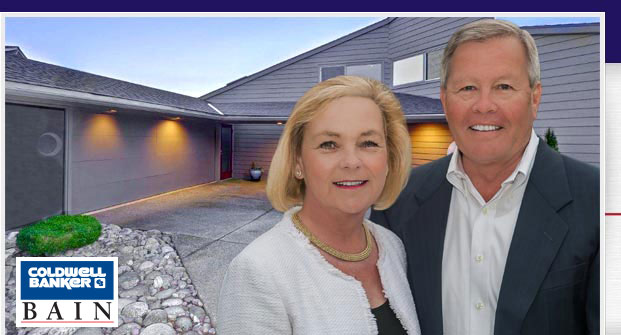



Welcome to Wangsness Connections, your connection to the finest homes and condominiums for sale in Seattle, and Seattle-Eastside communities of Bellevue, Medina, Issaquah, Clyde Hill, Capitol Hill, Madison Park, Laurelhurst, Magnolia, Queen Anne, Alki, Lake Washington, Lake Sammamish, Woodinville, and Kirkland.
View our featured properties , search for homes and condominiums for sale throughout the Seattle, Bellevue and Seattle Eastside area, check out our gallery of previously sold homes , listen to our weekly Northwest Real Estate Connections Radio Show , get access to extensive library of videos , audio and articles containing helpful buying, selling and home remodeling tips, and view upcoming Seattle area events .
When buyers weigh up the cost of purchasing a property, the headline price rarely tells the whole story. From legal fees and inspections to government charges, a stack of upfront expenses quietly inflates the true cost of getting the keys. Many Australians reasonably ask how long they need to hold a property before those costs wash out through equity and market growth.
The answer depends on where you buy, how the market behaves, and what your long-term plans look like. In a city like Sydney, where stamp duty alone can stretch past six figures for a family home, the break-even timeline looks very different from a regional purchase in Hobart or a unit in Adelaide.
Looking at comparable markets abroad also helps frame the decision. Buyers weighing a move to the Pacific Northwest often look at best neighborhoods in Seattle before committing, and the same logic about recouping transaction expenses applies regardless of hemisphere.
Closing costs usually sit somewhere between two and five percent of the purchase price in most Australian markets. For a $900,000 home in Melbourne, that range translates to $18,000 to $45,000 before you even think about moving trucks or new curtains. The biggest line item is almost always stamp duty, officially called transfer duty, which climbs steeply as property values rise.
Beyond duty, buyers should budget for conveyancing or legal fees, building and pest inspections, loan application fees, lenders mortgage insurance when the deposit falls below twenty percent, and title insurance in some states. Adjusting for these often-overlooked line items is where the real break-even calculation begins.
State-by-state variations matter more than many purchasers expect. Stamp duty in Victoria tends to run higher than in Western Australia for similarly priced homes, while Queensland's first-home buyer concessions can shave tens of thousands off the upfront bill for eligible purchasers.
A common rule of thumb in real estate circles suggests holding a property for at least five years to offset transaction costs. The number has roots in historical market data showing that most cycles play out across roughly that span. In Brisbane over the past two decades, owners who sold inside three years frequently walked away with reduced equity once agent commissions and marketing costs were deducted.
That said, the five-year mark is a guideline, not a guarantee. A buyer in a softening Perth market during a downturn might watch values dip well past that threshold. Conversely, a purchaser in a rapidly appreciating pocket of inner Sydney could see closing costs recouped inside two or three years.
Agent commissions are usually the single largest expense when selling, typically ranging from 1.5 to 2.5 percent of the sale price in Australia, plus marketing spend. Add the cost of preparing the home for sale, staging, photography, and possible repairs flagged during the buyer's inspection, and the exit bill climbs quickly.
Many sellers also overlook the ongoing carrying costs during the period they own the home. Council rates, strata levies for apartments, insurance, and routine maintenance all add up. When you add these to the upfront transaction costs and divide by the equity gained, the real break-even horizon becomes clearer.
Strata fees in Sydney and Melbourne unit blocks can reach four thousand dollars a year for older buildings with lifts and pools, a figure that quietly compounds over a decade of ownership.
Appreciation is the great accelerant in this calculation. In Sydney, the median house price has roughly doubled over the past decade in several suburbs, which means owners recouped transaction costs far faster than the nominal five-year rule would suggest. In markets with flatter growth, such as parts of regional South Australia or Tasmania outside Hobart, the same home might take eight to ten years to deliver the same outcome.
Timing the market is famously difficult, but buyers who enter during a downturn often compress their break-even timeline substantially. Those who buy at the peak of a cycle in a hot market face the opposite reality. Affordability pressures in cities like Sydney and Melbourne have pushed many first-home buyers toward apartments or townhouses in outer suburbs to keep the closing-cost ratio manageable.
| Factor | Sydney/Melbourne metro | Brisbane/Adelaide | Regional areas |
|---|---|---|---|
| Stamp duty | High, six figures common for houses | Moderate, concessions available | Lower base, fewer concessions |
| Agent commission | 1.5–2.5% | 1.8–2.5% | 2.0–3.0% (smaller fees, higher %) |
| Typical hold to break even | 4–6 years | 5–7 years | 6–10 years |
| Strata levies (apartments) | $3,000–$6,000/year | $2,000–$4,000/year | Rare, mostly houses |
| Capital growth trend | Strong in select pockets | Moderate, rising | Variable, often flat |
For some households, the math never quite works in favour of buying. Renting in central Melbourne or Sydney often costs more per week than the mortgage on a similar property further out, but renters avoid stamp duty, maintenance shocks, and the risk of negative equity during a downturn. The decision hinges on how long you expect to stay, your income stability, and the local rental vacancy rate.
It also depends on life stage. A young professional expecting a transfer to Perth or a relocation overseas might rationally rent for years. A family putting down roots in Brisbane with schools locked in for the next decade faces a very different equation. Tools that compare monthly costs over a five-year horizon can illuminate which path makes more sense for a given household.
Selling inside five years is not automatically a money-losing proposition. Major life events such as a job offer interstate, a growing family that needs more space, or a separation can justify absorbing the transaction costs. Some buyers also deliberately treat an initial purchase as a stepping stone, accepting higher relative costs in exchange for entering the market earlier.
Investors flipping townhouses in growth corridors of southeast Queensland routinely plan around two-to-three-year holds, banking on capital growth rather than rental yield. The strategy works when purchase price and renovation budget are tightly controlled and the local market shows consistent upward momentum.
Run the numbers for both paths before signing anything. A simple spreadsheet that includes purchase price, all closing costs, expected growth rate, and ongoing holding expenses will show the break-even year clearly. Comparing that number to your realistic timeline is the most reliable way to decide whether buying now makes sense.
Reach out to a qualified buyer's agent or financial adviser who understands your local market, and request a detailed closing-cost estimate before you make an offer. A clear picture of the upfront and exit expenses transforms a guess into a grounded decision, leaving you free to focus on finding the right home rather than worrying about the math.

Listen live to Patricia and David's radio show Northwest Real Estate Connections every Wednesday from 3-4 PM Pacific Time on AM 1300 KKOL [ Listen Live ], and 1:00 pm to 2:00 pm every Sunday on Freedom AM1590.

A unique webshow is devoted to the Art, Science and Timing of Real Estate.
View our latest show where Professional photographer Drew Rice gives tips and advice for preparing your home for a photoshoot.. | [ View Now ]
Sign up for our Email Newsletter
