



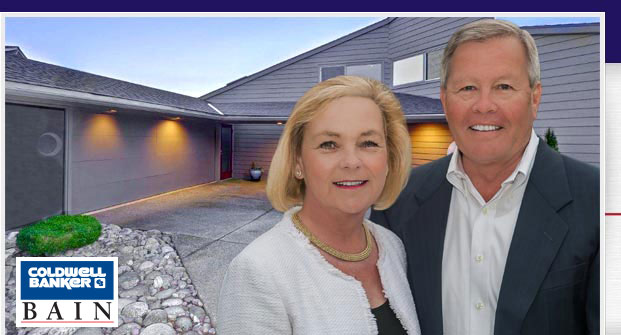



Welcome to Wangsness Connections, your connection to the finest homes and condominiums for sale in Seattle, and Seattle-Eastside communities of Bellevue, Medina, Issaquah, Clyde Hill, Capitol Hill, Madison Park, Laurelhurst, Magnolia, Queen Anne, Alki, Lake Washington, Lake Sammamish, Woodinville, and Kirkland.
View our featured properties , search for homes and condominiums for sale throughout the Seattle, Bellevue and Seattle Eastside area, check out our gallery of previously sold homes , listen to our weekly Northwest Real Estate Connections Radio Show , get access to extensive library of videos , audio and articles containing helpful buying, selling and home remodeling tips, and view upcoming Seattle area events .
Most homeowners in the Pacific Northwest know that heat loss through windows quietly inflates heating bills through the damp, grey winters the region is famous for. Picking the right replacement glazing is one of the few renovations that pays back every year, in comfort and lower utility costs alike. For Australians weighing up a purchase in Seattle, or simply curious how window efficiency plays out in a cooler, wetter climate than Sydney or Brisbane, the principles translate surprisingly well. The best results come from understanding how each part of a window — frame, glass, gas fill, and spacer — works together as a single system.
Australians are no strangers to careful window choices. Back home, Window Energy Rating Scheme (WERS) labels are a familiar sight, and the National Construction Code sets minimum U-value and Solar Heat Gain Coefficient thresholds that most builders meet without a second thought. Seattle's climate, with its long heating season and short cooling one, mirrors what homeowners in Hobart or southern Melbourne wrestle with during cold snaps. The underlying goal of keeping conditioned air indoors and weather out is essentially the same. A homeowner who knows what to ask about U-value back home can apply that vocabulary when reviewing a Seattle listing.
Upgrading windows is also one of the few renovations that genuinely boosts resale value. Buyers notice new windows the moment they walk through a house in Queen Anne, Wallingford, or Bellevue, and they tend to factor that into offers. The right installation can shave hundreds off annual energy costs while making rooms noticeably quieter, an underrated benefit during the rainy season when traffic noise from arterials like Aurora Avenue seems to linger.
Seattle sits in a marine climate zone with mild, wet winters and relatively cool summers. Heating degree days are concentrated between November and March, when overcast skies keep temperatures in the single digits. Windows on the north and west elevations face persistent wind-driven rain, which is why so many older properties still have original single-pane aluminium frames. Those frames were never designed for this constant moisture and they routinely sweat, fail at the joints, and leak air you are paying to heat.
Many outsiders do not realise Seattle also gets meaningful solar gain in summer, despite the rain. Late June and early July can deliver week-long stretches in the mid-twenties, and a west-facing window without Low-E coating will turn a top floor into an oven. The right replacement window addresses both ends of the spectrum, retaining heat in January while rejecting unwanted solar heat in July. A glazed unit that does well in Canberra or Adelaide, where summer cooling dominates, may actually over-perform in Seattle, and that is fine.
The three figures that matter most are U-factor, Solar Heat Gain Coefficient, and air leakage. U-factor measures how readily heat passes through the assembly, expressed in watts per square metre per degree of Kelvin in Australian documentation, or Btu per hour per square foot per degree Fahrenheit in US labelling. Lower is better, and for the Puget Sound region the US Department of Energy recommends a whole-window U-factor of 0.30 or lower for most orientations.
SHGC tells you how much of the sun's heat the glass admits. In Seattle, anything below 0.40 generally delivers good comfort without making winter sun feel useless. Air leakage, often expressed in cubic metres per hour per square metre of window area, is the most overlooked metric. A sparkling triple-pane unit loses much of its advantage if the sash does not seal tightly against the frame. Australian WERS labels arrange this information differently, but the underlying physics does not change at the border.
Frame material matters as much as glass in a rainy climate. Wood frames, traditional in Seattle's Craftsman-era homes, look beautiful but require repainting every few years and rot where the sill meets the exterior cladding. Fibreglass frames have surged in popularity because they expand and contract at nearly the same rate as the glass, keeping seals intact across decades of temperature swings. Composite frames, typically a blend of wood fibre and polymer, offer similar thermal performance with a wood-like appearance that ages gracefully.
Vinyl remains the budget workhorse and dominates new subdivisions in places like Renton and Kent. Multi-chambered extrusions now rival mid-range fibreglass on thermal performance. The trade-off is colour stability: dark vinyl frames fade under strong UV during clear July afternoons. For homeowners preserving the architectural character of a 1920s bungalow in Madrona or Columbia City, clad-wood windows with wood interiors and fibreglass or aluminium exteriors usually justify the higher price tag.
Double-pane glass with a Low-E coating and an inert gas fill is now the minimum serious recommendation. Argon-filled units cost a few hundred dollars more per window and reduce U-factor by roughly 15 percent compared with air-filled equivalents. Krypton fills perform even better but the premium rarely pencils out for residential work. Triple glazing adds weight and cost without dramatic gains in this climate, unless the home has large north-facing picture windows suffering from significant cold-weather chilling.
Low-E coatings come in two broad families. Passive coatings are tuned for cold climates and maximise free solar heat gain during winter. Spectrally selective coatings reduce both visible light and heat transfer more aggressively, which works better in Perth or Darwin than in Seattle where every bit of winter sun matters. The right choice depends on orientation, shading from neighbouring trees, and whether the homeowner wants the glass to act as a passive radiator on clear winter afternoons.
Installation quality can make or break a window upgrade. Even a high-end unit installed with a sloppy flashing detail will leak within two wet winters. Reputable Seattle contractors follow a wrap-around, pan-flashing methodology and use foam backer rod plus low-expansion spray foam to insulate the perimeter gap. They also run a bead of high-quality sealant along the exterior nailing fin, not just the interior trim.
Permits are required for any replacement that changes the rough opening size, and an energy compliance certificate may be needed if the home is sold or refinanced soon after the work. King County contractors who have completed Built Green or ENERGY STAR certification training tend to deliver the cleanest results. Asking to see the crew's flashing sequence on a previous job is reasonable, and a confident installer will happily walk through it.
Whole-home replacement in Seattle typically runs from roughly $700 to $1,400 per opening installed, depending on frame material and glass specification. A mid-range project on a 2,000-square-foot home often lands between $25,000 and $45,000, though smaller jobs done one or two openings at a time are common and far less disruptive. Puget Sound Energy periodically offers utility rebates for qualifying ENERGY STAR Most Efficient units, and federal credits have, in past programme years, applied to window upgrades bundled with other envelope improvements.
A payback period of 12 to 20 years is typical for full replacement, with the lower end achievable when old single-pane windows were responsible for significant leakage. Comfort and resale value typically arrive long before full energy savings are recouped.
| Frame Material | Typical Lifespan | Relative Cost | Best Use in Seattle |
|---|---|---|---|
| Vinyl | 20–30 years | Low | Rental properties, newer subdivisions |
| Fibreglass | 35–50 years | High | Whole-home replacement, exposure to weather |
| Composite | 30–40 years | Mid–High | Craftsman-era homes wanting wood look |
| Clad-Wood | 30–45 years | High | Heritage neighbourhoods, character preservation |
Buyers touring properties can also look for visible clues about window condition. Fogged glazing means a failed seal. Soft sills, peeling paint along the interior casing, or staining on the drywall all point to moisture problems the listing photos might not show. Agents familiar with Seattle's housing stock, like those featured on Seattle's most desirable neighborhoods, can flag concerns early and connect clients with specialists who can quote remedial work before closing.
Ready to dive in? Browse the team's current listings, watch the latest window and renovation explainers on the resources page, or tune in to the Northwest Real Estate Connections radio show for weekly conversations with local builders and inspectors. Whether buying, selling, or simply upgrading the home already owned, expert guidance a few blocks away tends to outperform advice pulled from a forum on the other side of the world.

Listen live to Patricia and David's radio show Northwest Real Estate Connections every Wednesday from 3-4 PM Pacific Time on AM 1300 KKOL [ Listen Live ], and 1:00 pm to 2:00 pm every Sunday on Freedom AM1590.

A unique webshow is devoted to the Art, Science and Timing of Real Estate.
View our latest show where Professional photographer Drew Rice gives tips and advice for preparing your home for a photoshoot.. | [ View Now ]
Sign up for our Email Newsletter
