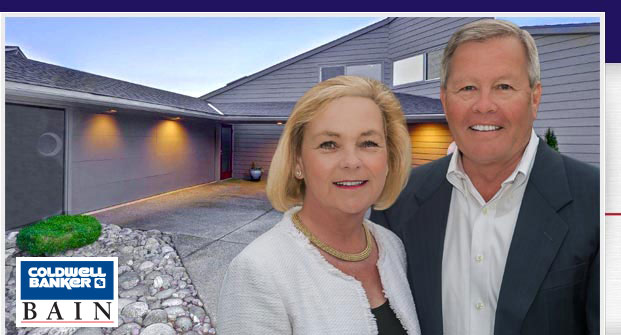



Welcome to Wangsness Connections, your connection to the finest homes and condominiums for sale in Seattle, and Seattle-Eastside communities of Bellevue, Medina, Issaquah, Clyde Hill, Capitol Hill, Madison Park, Laurelhurst, Magnolia, Queen Anne, Alki, Lake Washington, Lake Sammamish, Woodinville, and Kirkland.
View our featured properties , search for homes and condominiums for sale throughout the Seattle, Bellevue and Seattle Eastside area, check out our gallery of previously sold homes , listen to our weekly Northwest Real Estate Connections Radio Show , get access to extensive library of videos , audio and articles containing helpful buying, selling and home remodeling tips, and view upcoming Seattle area events .
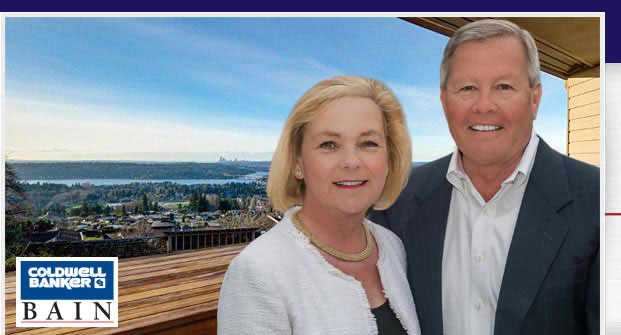
For many Australians moving to the Pacific Northwest, a Seattle home with water, mountain, skyline, or lake views can feel like a rare lifestyle purchase. The appeal is easy to understand: a morning coffee overlooking Puget Sound, a Bellevue apartment facing the Cascades, or a Queen Anne house with a changing city panorama.
The legal reality is more nuanced than the marketing language. Seattle’s view corridor ordinances, zoning rules, shoreline protections, tree regulations, and private title restrictions may influence what can be built or preserved, but a view is rarely guaranteed simply because it exists today. Buyers should investigate the property, its surroundings, and the relevant public records before making an offer.
A view corridor is generally a defined or recognised area through which people can see a significant landscape feature, such as Elliott Bay, Lake Washington, Lake Union, the Olympic Mountains, or the downtown skyline. Some corridors are designed for public enjoyment from streets, parks, shoreline areas, or other public spaces. Others are informal descriptions used in planning discussions or property marketing.
Seattle does not generally provide every private homeowner with an automatic right to keep an uninterrupted outlook. A home may have a spectacular view today, yet a neighbouring development, mature tree, rooftop addition, or future zoning change could alter it. The exact result depends on the applicable land-use code, site conditions, permits, and any recorded rights attached to the property.
This distinction matters for buyers familiar with Australian planning terminology. A “view corridor” in Seattle may describe a public planning objective rather than a private property entitlement. It should be treated as a factor requiring research, not as a promise made by the listing photographs.
Several layers of regulation can affect views. Seattle’s zoning code controls matters such as building height, floor area, setbacks, lot coverage, and in some locations design review. Shoreline regulations can apply near Lake Washington, Lake Union, the Ship Canal, and Puget Sound. These rules may limit development or require public access, but they do not necessarily preserve the outlook from an individual living room.
SEPA, Washington’s State Environmental Policy Act, may also enter the picture when a substantial project is proposed. Environmental review can examine impacts on resources and surroundings, although it does not amount to a universal private view-protection system. In designated areas, adopted neighbourhood plans, special review districts, or design guidelines may provide additional context.
Trees are another significant issue. Seattle’s tree regulations can restrict removal or pruning in circumstances involving exceptional trees, development sites, or regulated vegetation. A tree blocking part of a view cannot simply be cut down because a neighbour dislikes it. Conversely, tree protection rules may help retain greenery while reducing the chance that a distant panorama remains open.
Public view corridors are often associated with streets, parks, lookouts, and shoreline access. Their purpose is to protect or improve views experienced by the broader community rather than to preserve a particular homeowner’s sightline. A buyer should therefore ask whether the relevant protection benefits the public, the parcel, or both.
Private protections may arise through a recorded view easement, restrictive covenant, reciprocal agreement, condominium declaration, or development condition. These documents can establish rights or obligations that are more specific than general zoning. They may identify a protected height, prohibit certain structures, or regulate vegetation, but their wording and enforceability must be reviewed carefully.
For an Australian buyer, this resembles the difference between a council planning control and a private covenant on title. A local council may restrict a development, while a separate title instrument may impose additional obligations. In Seattle, the equivalent records can be found through the county recorder, title company, homeowners association, or condominium association.
Start with the title report and any preliminary commitment supplied by the seller’s agent or escrow provider. Look for easements, covenants, access rights, building restrictions, and exceptions that could affect a view. If the property is a condominium, read the declaration, bylaws, rules, meeting minutes, and pending assessment information. A body corporate search in Australia serves a similar practical purpose, although the documents and terminology differ.
Next, examine the surrounding zoning and likely development capacity. A low house next door may eventually be replaced by a taller structure if the zoning allows it. Check current permits, active applications, comprehensive planning information, and municipal mapping tools. A buyer’s broker can help identify the right departments, but a land-use attorney or qualified title professional should interpret complex restrictions.
Visit the property at different times of day and in different seasons where possible. Seattle’s winter cloud cover, summer haze, construction activity, and deciduous tree growth can produce very different conditions. Ask whether the view depends on a neighbour’s untrimmed hedge, a temporary construction gap, or a particular angle from one upstairs room. Keep copies of listing photographs, floor plans, seller disclosures, and written representations.
Buyers coming from Australia should also allow time for an American-style inspection and due-diligence process. Unlike a typical Melbourne or Sydney auction, where a winning bid may be effectively unconditional, a Seattle purchase contract can include inspection, financing, title, and other contingencies. Those deadlines are valuable, but they must be used actively and according to the contract.
Ask the listing agent what creates the current view and whether any neighbouring lots have development applications, vacant capacity, or known redevelopment plans. Request the precise source of any claim that a view is “protected.” A statement such as “the view corridor is preserved” is less useful than a citation to a recorded easement, municipal provision, or binding development condition.
It is also sensible to contact Seattle’s permitting and planning offices for a property inside the city, or the relevant jurisdiction for a home in Bellevue, Kirkland, Mercer Island, or another Eastside community. Rules can change across municipal boundaries. Bellevue’s development standards, for example, should not be assumed to operate like Seattle’s, even though both markets are part of the same metropolitan area.
Experienced representation can help translate technical information into a purchase decision. Local professionals understand the difference between a protected public vista, a likely development constraint, and a view that is simply attractive today. Buyers can also review client testimonials to see how an agency has supported people through purchases, sales, or relocation decisions.
View homes often command a premium, and the premium may be reflected in land value, architecture, privacy, orientation, or access to outdoor space. Do not assume that a higher price means stronger legal protection. Two homes on the same street can have very different risk profiles because of lot shape, zoning, elevation, title language, or neighbouring ownership.
The physical upkeep can also be substantial. Sloped Seattle sites may require drainage work, retaining walls, seismic upgrades, specialised landscaping, or engineering reviews. Large windows can increase heating and cooling costs, while salt air near Puget Sound may affect exterior materials. A professional inspection should consider the whole property rather than concentrating only on the outlook.
Australian buyers should include currency movements, international tax advice, US financing requirements, and insurance in their calculations. A purchaser who normally compares a Sydney suburb’s median price may find Seattle’s property taxes, escrow costs, inspection fees, and homeowners insurance structured differently. If the property is a condominium, monthly dues and special assessments can materially change the cost of enjoying the view.
| Issue | What It May Affect | Useful Buyer Action |
|---|---|---|
| Zoning and height limits | Future construction beside or in front of the home | Check current zoning, permits, and development capacity |
| Shoreline regulations | Buildings, access, setbacks, and waterfront work | Review the applicable shoreline rules and site maps |
| Tree protections | Removal, pruning, or replacement of trees | Ask for arborist information and check municipal requirements |
| Title restrictions | Private rights, height limits, or protected sightlines | Obtain and review the title report and recorded documents |
| Condominium rules | Exterior changes, windows, balconies, and common areas | Read the declaration, bylaws, minutes, and assessments |
| Market and ownership costs | Affordability and long-term holding expenses | Model taxes, insurance, dues, financing, and currency exposure |
A Seattle outlook should be evaluated as a combination of planning law, private documents, physical conditions, and market risk. The most attractive property is not always the one with the widest view; it may be the one where the view has been properly researched and the buyer understands what can realistically change.
If you are relocating from Australia or purchasing in Seattle, Bellevue, or the surrounding Eastside, work with a local real estate team that can coordinate property searches, title review, inspections, and professional referrals. Wangsness Connections can help you assess view-oriented homes with the broader practical context needed for a confident decision.

Listen live to Patricia and David's radio show Northwest Real Estate Connections every Wednesday from 3-4 PM Pacific Time on AM 1300 KKOL [ Listen Live ], and 1:00 pm to 2:00 pm every Sunday on Freedom AM1590.

A unique webshow is devoted to the Art, Science and Timing of Real Estate.
View our latest show where Professional photographer Drew Rice gives tips and advice for preparing your home for a photoshoot.. | [ View Now ]
Sign up for our Email Newsletter
