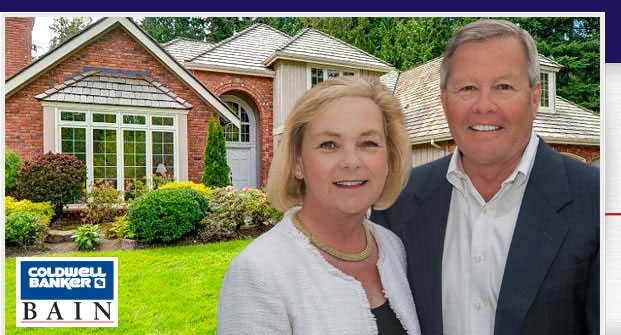


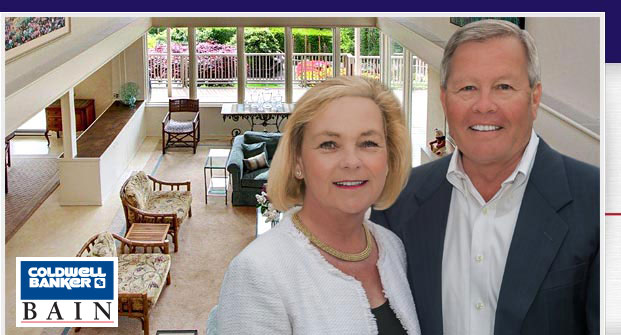
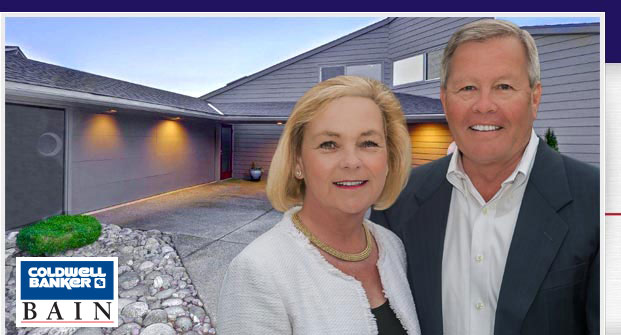



Welcome to Wangsness Connections, your connection to the finest homes and condominiums for sale in Seattle, and Seattle-Eastside communities of Bellevue, Medina, Issaquah, Clyde Hill, Capitol Hill, Madison Park, Laurelhurst, Magnolia, Queen Anne, Alki, Lake Washington, Lake Sammamish, Woodinville, and Kirkland.
View our featured properties , search for homes and condominiums for sale throughout the Seattle, Bellevue and Seattle Eastside area, check out our gallery of previously sold homes , listen to our weekly Northwest Real Estate Connections Radio Show , get access to extensive library of videos , audio and articles containing helpful buying, selling and home remodeling tips, and view upcoming Seattle area events .
Seattle’s Mount Baker neighborhood is known for its tree-lined streets, views toward Lake Washington, and collection of early twentieth-century homes. Among its distinctive residences are houses influenced by Williamsburg and Colonial Revival architecture, recognized for balanced façades, traditional detailing, and a sense of formal craftsmanship.
These properties can appeal to buyers seeking more than square footage. Their proportions, materials, and established gardens often create a connection to Seattle’s architectural history while still offering access to modern city life. Understanding the style can help buyers identify authentic character, anticipate maintenance needs, and assess whether a particular home has been thoughtfully updated.
For sellers, identifying the home’s defining features is equally important. A well-presented Williamsburg-style residence should communicate its architectural identity without feeling staged or disconnected from the way contemporary households live.
Williamsburg-style homes draw inspiration from the colonial architecture associated with Williamsburg, Virginia. In Seattle, the influence is usually interpreted through Colonial Revival design rather than reproduced as a strict historical copy. The result may include a symmetrical front elevation, a centered entry, multi-pane windows, shutters, brick or painted siding, and a restrained roofline.
Details vary from one residence to another. Some Mount Baker homes may feature brick façades or brick chimneys, while others use clapboard siding, wood shingles, or a combination of materials. Dormers, classical columns, fanlights, and decorative pediments can reinforce the style, but the overall impression is typically orderly and composed rather than ornate.
The interior often continues that visual language through a central stair hall, defined living and dining rooms, wood floors, fireplaces, built-in cabinetry, and traditional millwork. An open floor plan may be present after renovation, but the most successful updates generally preserve the home’s scale and architectural rhythm.
Mount Baker’s historic residential setting provides a natural backdrop for Colonial Revival and Williamsburg-inspired architecture. Many streets have mature trees, generous setbacks, landscaped lots, and a calm pattern of detached homes. Those qualities allow a formal façade, front walk, or traditional garden design to feel integrated with its surroundings.
The neighborhood also offers a useful balance between established character and regional convenience. Residents can enjoy proximity to parks, transit connections, schools, downtown Seattle, and the Eastside via major routes. Buyers relocating to the area may find Mount Baker appealing when they want a traditional neighborhood environment without giving up access to employment centers and cultural amenities.
Lot orientation deserves close attention. A home’s front elevation may be carefully preserved, while the rear offers opportunities for expanded entertaining areas, garden rooms, or additions. Views, privacy, sunlight, and the relationship between the house and yard can influence value as much as the architectural style itself.
A Williamsburg-style appearance does not automatically mean every feature is original. Some homes were built with Colonial Revival intentions, while others acquired traditional detailing through later remodeling. Permit records, previous listings, seller disclosures, and available historical information can help establish what has changed over time.
Buyers should look for consistency. Original windows, interior doors, trim profiles, hardware, fireplaces, and stair components may reveal the home’s age and design approach. Replacement elements are not necessarily a concern, especially when they were selected to match the existing architecture. The question is whether alterations respect the proportions and materials that give the home its identity.
A property’s history can also explain practical issues. Older foundations, electrical systems, plumbing, insulation, roofing, and drainage may require investment even when the residence has been beautifully maintained. A professional inspection provides a clearer picture of condition, while a careful review of any requested concessions should account for both immediate repairs and longer-term preservation.
| Feature | What to look for | Practical consideration |
|---|---|---|
| Front elevation | Symmetry, centered entry, shutters, brick, or traditional siding | Confirm that exterior materials are sound and historically compatible |
| Windows | Multi-pane proportions, divided lights, wood or carefully matched replacements | Check energy performance, operation, glazing, and maintenance |
| Entry details | Fanlight, sidelights, columns, pediment, or paneled door | Look for water intrusion around trim and thresholds |
| Interior layout | Central hall, defined rooms, fireplaces, and formal circulation | Consider how the plan supports current household needs |
| Millwork | Crown molding, wainscoting, built-ins, wood floors, and paneled doors | Protect original details during remodeling |
| Rear living areas | Kitchen updates, decks, patios, gardens, and additions | Evaluate permits, drainage, sunlight, and the transition from old to new |
The strongest candidates combine preserved character with reliable systems. A remodeled kitchen can work well in a Williamsburg-style home when cabinet profiles, countertops, lighting, and appliances respect the surrounding architecture. Modern bathrooms, efficient heating, improved insulation, and discreet technology can add comfort without overwhelming the original design.
Certain areas deserve extra scrutiny during a viewing. Examine roof edges, gutters, chimneys, basement walls, crawl spaces, window sills, and exterior wood for signs of moisture. In a neighborhood with mature landscaping and sloped lots, drainage and retaining structures can also have meaningful financial implications.
Inspection findings do not have to undermine a purchase, but they should inform the offer and the ownership budget. Buyers unfamiliar with Washington transactions may benefit from reviewing guidance on negotiating inspection repairs, particularly when deciding whether to request repairs, credits, or a price adjustment.
Many buyers are drawn to historic character but need practical spaces for remote work, entertaining, storage, or multigenerational living. Before assuming that an addition or major reconfiguration is necessary, consider how the existing rooms function. A dining room may become a library or office, while a generous hallway, landing, or finished lower level may provide flexible workspace.
Renovation decisions should be guided by the home’s proportions. Removing every wall or replacing traditional windows with visually unrelated products can diminish the qualities that attracted a buyer in the first place. In some cases, improving lighting, restoring millwork, refinishing floors, and upgrading mechanical systems can produce a more cohesive result than a complete redesign.
Local requirements may affect exterior changes, additions, trees, parking, and historically significant properties. A buyer considering substantial work should investigate zoning, permits, easements, and any neighborhood or preservation considerations before assuming that a concept will be approved.
A focused viewing process helps separate decorative appeal from long-term suitability. Buyers can document the home’s condition, compare original details with later alterations, and estimate the cost of bringing major systems up to current expectations.
Use these priorities when reviewing a Williamsburg-inspired property:
A comparative market analysis can place the property in context by examining similar Mount Baker homes, recent sales, condition, lot size, views, and quality of renovation. Architectural appeal matters, but value is shaped by the complete package: location, livability, maintenance, and the scarcity of well-preserved homes.
For sellers, presentation should emphasize proportion and craftsmanship. Professional photography can capture the front elevation, entry sequence, fireplaces, woodwork, gardens, and natural light. Small repairs, careful landscaping, and removal of visual clutter often make traditional details easier for prospective buyers to appreciate.
Williamsburg-style homes in Mount Baker offer a distinctive combination of historic influence, formal design, and Seattle setting. With knowledgeable guidance, buyers can recognize the difference between lasting architectural character and surface decoration, while sellers can position the property around the features that make it memorable.
Wangsness Connections helps clients evaluate fine homes, condominiums, and luxury properties throughout Seattle, Bellevue, and nearby Eastside communities. Contact Patricia or David Wangsness to arrange a thoughtful property search, discuss a Mount Baker listing, or plan a purchase or relocation move with the home’s character and long-term value in view.

Listen live to Patricia and David's radio show Northwest Real Estate Connections every Wednesday from 3-4 PM Pacific Time on AM 1300 KKOL [ Listen Live ], and 1:00 pm to 2:00 pm every Sunday on Freedom AM1590.

A unique webshow is devoted to the Art, Science and Timing of Real Estate.
View our latest show where Professional photographer Drew Rice gives tips and advice for preparing your home for a photoshoot.. | [ View Now ]
Sign up for our Email Newsletter
