







Welcome to Wangsness Connections, your connection to the finest homes and condominiums for sale in Seattle, and Seattle-Eastside communities of Bellevue, Medina, Issaquah, Clyde Hill, Capitol Hill, Madison Park, Laurelhurst, Magnolia, Queen Anne, Alki, Lake Washington, Lake Sammamish, Woodinville, and Kirkland.
View our featured properties , search for homes and condominiums for sale throughout the Seattle, Bellevue and Seattle Eastside area, check out our gallery of previously sold homes , listen to our weekly Northwest Real Estate Connections Radio Show , get access to extensive library of videos , audio and articles containing helpful buying, selling and home remodeling tips, and view upcoming Seattle area events .
Buying or selling a home in King County involves more than the agreed purchase price. Closing costs, recording charges, loan expenses, and real estate excise tax can all affect the final amount due. Understanding these costs early helps sellers estimate net proceeds and helps buyers prepare for the full financial picture.
“Transfer tax” is commonly used to describe Washington’s real estate excise tax, or REET. The tax applies when ownership or a controlling interest in real property changes hands. In most standard residential transactions, the seller is responsible for paying it, although the purchase agreement can allocate costs differently.
Rates and exemptions can depend on the property’s sale price, location, ownership structure, and transaction type. A Seattle condominium, a Bellevue luxury home, and an unincorporated King County property may have different local components. Current figures should be confirmed with the Washington State Department of Revenue, the closing agent, or a qualified tax professional.
Washington calculates REET from the property’s selling price or other taxable consideration. The taxable amount may include more than the cash exchanged at closing. Certain assumed obligations, transferred interests, or nontraditional arrangements can affect the calculation, so a simple multiplication of the down payment is not always enough.
For a typical arm’s-length sale, the title company or escrow company prepares the excise tax affidavit and collects the amount due from the seller. The transaction is then reported to the state and the appropriate local authorities. The tax must generally be paid before the deed can be recorded.
The state uses graduated rates for many residential transactions. This means the applicable percentage rises in brackets rather than applying one rate to the entire price at the highest tier. High-value properties therefore require careful calculations, especially in Seattle, Bellevue, and other Eastside markets where sale prices can cross multiple thresholds.
The seller generally pays Washington REET because the tax is imposed on the transferor. This convention is different from some buyer-paid transfer taxes found in other states. Still, the parties can negotiate a different arrangement in the purchase and sale agreement, subject to applicable law and the lender’s requirements.
A seller should treat REET as a significant selling expense when estimating net proceeds. A property listed at a particular price does not produce that same amount in cash after mortgage payoff, commissions, repairs, excise tax, prorations, and other closing charges.
Buyers may still encounter indirect effects. A seller could price a home with anticipated transaction costs in mind, and a negotiated credit or unusual allocation may shift part of the expense. Buyers should review the estimated settlement statement rather than assuming that “seller pays” means the tax has no effect on the transaction economics.
King County’s total real estate excise tax can include a state portion and a local portion. The local amount depends on whether the property is inside a city and which local government applies. Seattle and many Eastside municipalities may have a different combined rate from property located in unincorporated King County.
The state residential brackets commonly used in recent years are shown below. These figures are provided as a planning reference, not a substitute for a current tax calculation. Washington may revise rates, thresholds, or local charges, and the applicable rules can depend on the exact closing date.
| Portion of Sale Price | Illustrative State REET Rate | What to Verify |
|---|---|---|
| Up to $525,000 | 1.10% | Current threshold and qualifying transaction |
| More than $525,000 to $1.525 million | 1.28% on that bracket | Whether the graduated method applies |
| More than $1.525 million to $3.025 million | 2.75% on that bracket | Current state schedule |
| More than $3.025 million | 3.00% on that bracket | Luxury-property calculation |
| Local component | Often about 0.25% to 0.50% | City versus unincorporated King County |
For example, a sale in Bellevue may involve a local city component in addition to the state tax, while a property outside an incorporated city may follow a different local schedule. A condominium sale can also involve association-related charges that are separate from REET. The closing professional should identify every applicable charge by jurisdiction.
Not every transfer is taxed in the same way as a conventional sale. Certain gifts, transfers between certain entities, estate-related transactions, court-ordered transfers, and changes connected to reorganizations may qualify for an exemption or a different treatment. An exemption is not automatic simply because little or no money changes hands.
Transfers involving a trust, partnership, limited liability company, or corporation deserve particular care. A change in ownership or control of an entity that owns real property can trigger a taxable transfer even when the deed itself does not change. The rules can be technical, and the relevant filing may differ from a standard residential excise tax affidavit.
A family transfer or quitclaim deed should never be assumed to be tax-free. The parties may need to document the reason for the transfer and submit the correct exemption information. A real estate attorney or tax adviser can evaluate circumstances that fall outside a standard purchase and sale.
Sellers benefit from requesting a preliminary seller net sheet before setting a list price. The estimate can show the projected state and local excise tax, brokerage compensation, mortgage payoff, property taxes, utilities, repairs, and other adjustments. Because the tax is based on the taxable consideration, the final amount may change if the purchase price or contract terms change.
The sale agreement should clearly address credits, personal property, assumed obligations, and any unusual consideration. Items described as part of the transaction may influence the tax analysis, while certain allocations may require supporting documentation. Clear contract language gives escrow and the parties a better basis for preparing the closing documents.
Relocation creates another layer of planning. Employees moving to the Seattle area may need to coordinate a sale in another state with a King County purchase, while homeowners selling a local property may be balancing a new job start date, temporary housing, and a tight closing schedule. A knowledgeable real estate team can help organize those decisions without treating tax questions as an afterthought.
A few practical steps can make transfer-tax planning more predictable:
These steps are especially valuable for higher-priced homes and condominium transactions. A small misunderstanding about the taxable amount or local jurisdiction can become a sizable dollar difference when the sale price is high.
The timing of the closing matters as well. If a transaction crosses into a new tax year or a rate changes before recording, the final calculation may differ from an earlier estimate. Escrow is the appropriate source for the amount being collected at closing, while a tax adviser can address broader income, capital-gains, gift, or estate implications.
Transfer taxes are only one part of a successful King County real estate strategy, but they can materially affect the decision to list, accept an offer, or structure a purchase. Local knowledge helps place the tax in context with neighborhood pricing, condominium rules, buyer demand, and the practical timing of a transaction.
Wangsness Connections works with clients across Seattle, Bellevue, and nearby Eastside communities, including people relocating to the region. Their client testimonials and experiences offer insight into how the team supports different types of real estate moves.
The best estimate comes from the professionals handling the specific transaction. Before relying on a calculator or an older closing statement, confirm the current rate schedule and local requirements for the property’s address.
Start planning the full cost of your move with Wangsness Connections. Their Seattle-area real estate professionals can help you evaluate pricing, timing, projected proceeds, and the closing details that matter when buying or selling in King County.

Listen live to Patricia and David's radio show Northwest Real Estate Connections every Wednesday from 3-4 PM Pacific Time on AM 1300 KKOL [ Listen Live ], and 1:00 pm to 2:00 pm every Sunday on Freedom AM1590.
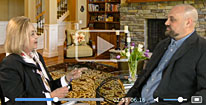
A unique webshow is devoted to the Art, Science and Timing of Real Estate.
View our latest show where Professional photographer Drew Rice gives tips and advice for preparing your home for a photoshoot.. | [ View Now ]
Sign up for our Email Newsletter
