



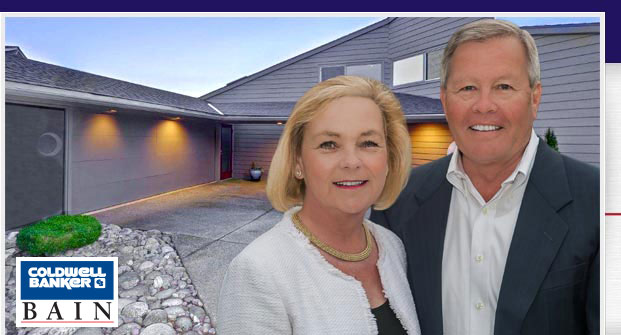



Welcome to Wangsness Connections, your connection to the finest homes and condominiums for sale in Seattle, and Seattle-Eastside communities of Bellevue, Medina, Issaquah, Clyde Hill, Capitol Hill, Madison Park, Laurelhurst, Magnolia, Queen Anne, Alki, Lake Washington, Lake Sammamish, Woodinville, and Kirkland.
View our featured properties , search for homes and condominiums for sale throughout the Seattle, Bellevue and Seattle Eastside area, check out our gallery of previously sold homes , listen to our weekly Northwest Real Estate Connections Radio Show , get access to extensive library of videos , audio and articles containing helpful buying, selling and home remodeling tips, and view upcoming Seattle area events .
A pre-listing home inspection gives Washington homeowners a clearer picture of their property before buyers and their inspectors begin asking questions. Rather than discovering defects during a transaction, sellers can identify concerns early, evaluate repair options, and prepare accurate disclosures.
The inspection is especially useful in Seattle, Bellevue, and nearby Eastside communities, where buyers often compare well-maintained homes closely and may pay careful attention to roofs, drainage, electrical systems, remodeling quality, and signs of moisture. A clean report does not guarantee a sale, but it can make the process more predictable.
Sellers should view the inspection as a planning tool rather than a pass-or-fail test. The report may contain routine maintenance notes alongside significant issues. Understanding the difference helps homeowners spend money wisely, set realistic expectations, and communicate confidently with their real estate professional.
A seller’s inspection can reveal problems that are easy to overlook during everyday life. Homeowners may know that a furnace works or that the basement appears dry, but an inspector can identify aging components, unsafe conditions, water-management concerns, or installation issues that are less visible.
Early knowledge creates more choices. A seller might complete a repair, obtain a specialist’s opinion, adjust the asking price, or disclose the condition without attempting to correct it. Buyers generally respond better when a seller appears prepared and forthcoming than when a major issue emerges unexpectedly after an offer is accepted.
A pre-listing report can also help with pricing. If a roof, sewer line, deck, or electrical panel needs attention, the seller can discuss the likely effect with an agent before setting a list price. The report may support a stronger marketing strategy, especially when repairs are documented and completed professionally.
Washington’s seller disclosure requirements are separate from a home inspection. In many residential transactions, sellers complete a statutory disclosure statement covering property condition, systems, structural components, water and drainage, environmental matters, and other known facts. The exact requirements and exemptions depend on the transaction, property type, and circumstances.
An inspection does not transfer the seller’s responsibility for truthful disclosure. Sellers should answer based on what they know, not simply attach a report and assume every obligation has been satisfied. If a report identifies a material condition, discuss with the listing agent and appropriate legal or real estate professionals how it should be handled.
Known repairs, insurance claims, leaks, additions, permits, and recurring issues deserve careful documentation. Keep receipts, contractor invoices, warranties, permits, engineering letters, and maintenance records in one place. For condominiums, resale certificates, association documents, special assessments, and building-envelope information may also be important to the buyer’s review.
A standard residential inspection commonly reviews accessible portions of the roof, exterior, foundation, structure, attic, crawl space, plumbing, electrical system, heating, cooling, insulation, ventilation, windows, doors, and built-in appliances. The inspector generally reports observed conditions rather than guaranteeing future performance or uncovering concealed defects.
Seattle-area homes can present location-specific concerns. Sloped lots may require close attention to grading and stormwater flow. Older houses may have outdated wiring, aging galvanized or cast-iron plumbing, asbestos-containing materials, oil tanks, or unpermitted alterations. Eastside properties may include retaining walls, large decks, extensive landscaping systems, or remodeled spaces that need supporting documentation.
The inspection usually does not replace specialized evaluations. A general report may recommend a roofer, electrician, plumber, structural engineer, sewer-scope provider, chimney specialist, pest professional, or environmental consultant. Treat those recommendations as a way to focus follow-up research rather than as proof that every suspected defect is severe.
Not every inspection comment calls for an immediate renovation. Some items are safety concerns or active defects; others are deferred maintenance, normal wear, or recommendations for monitoring. Ask the inspector to explain the significance, urgency, and likely next step, then obtain targeted estimates when the cost could affect pricing.
Sellers typically have three broad choices: repair the condition, offer a credit or price adjustment, or disclose it and sell the property in its current condition. The best option depends on the issue, available time, budget, market conditions, and whether the work can be completed with reliable documentation.
| Finding | Address before listing | Disclose and document |
|---|---|---|
| Active roof leak | Repair the source and retain the invoice | Explain the history, repair date, and any remaining limitations |
| Minor maintenance item | Correct if inexpensive and visible | Keep records if the work affects a system or safety feature |
| Structural concern | Obtain a qualified evaluation before choosing a remedy | Share reports and explain known conditions accurately |
| Aging furnace or water heater | Service, replace, or price with its condition in mind | Provide age, maintenance history, and warranty information |
| Unpermitted remodel | Research permit status and consult the proper professionals | Disclose known facts rather than guessing about approval |
Large pre-sale renovations can create their own risks. A rushed project may produce inconsistent workmanship, delay the listing, or raise questions about permits. Cosmetic work can be worthwhile when it improves first impressions, but sellers should distinguish between high-return preparation and expensive upgrades that buyers may not value equally.
Exterior presentation still matters. Before committing to major landscaping, review guidance on Eastside curb appeal upgrades that can improve the arrival experience without obscuring drainage, siding, foundations, or other inspection areas.
Schedule the inspection early enough to allow time for specialist consultations and contractor work. In a competitive selling period, a short timeline can make it difficult to obtain bids or complete permitted repairs. If the home is vacant, make sure utilities are connected and systems are accessible so the inspector can evaluate them properly.
Choose a Washington-licensed home inspector whose scope, fee, report format, and limitations are clear. A strong report should be understandable, supported by photographs where appropriate, and specific about observed conditions. Sellers should not select an inspector solely because the person promises a favorable report; independence is more valuable than reassurance.
Before work begins, verify whether permits are required and whether the contractor is properly qualified. Preserve before-and-after photographs, signed contracts, paid invoices, product information, and final approvals. These records can answer buyer questions and help prevent a completed repair from becoming an unverified claim.
A clean, accessible home allows the inspector to spend more time evaluating systems instead of moving stored belongings or noting blocked areas. Replace burned-out bulbs, unlock utility rooms, clear access to electrical panels and water heaters, and ensure crawl-space or attic entries are reachable. Do not conceal stains, cover known damage, or make temporary changes that could mislead an inspector.
Your listing agent can help interpret the report in the context of current Seattle and Eastside buyer expectations. A thoughtful preparation plan may involve a few safety repairs, clear disclosures, professional documentation, and a pricing strategy that reflects the home’s actual condition. For local guidance on selling, relocating, or preparing a property, connect with Wangsness Connections before the inspection becomes part of an active transaction.
Use the inspection report as a decision-making resource, not a promise that every buyer will accept the same conclusions. With early planning, accurate records, and careful communication, Washington sellers can reduce surprises and present their homes with greater confidence.

Listen live to Patricia and David's radio show Northwest Real Estate Connections every Wednesday from 3-4 PM Pacific Time on AM 1300 KKOL [ Listen Live ], and 1:00 pm to 2:00 pm every Sunday on Freedom AM1590.

A unique webshow is devoted to the Art, Science and Timing of Real Estate.
View our latest show where Professional photographer Drew Rice gives tips and advice for preparing your home for a photoshoot.. | [ View Now ]
Sign up for our Email Newsletter
