



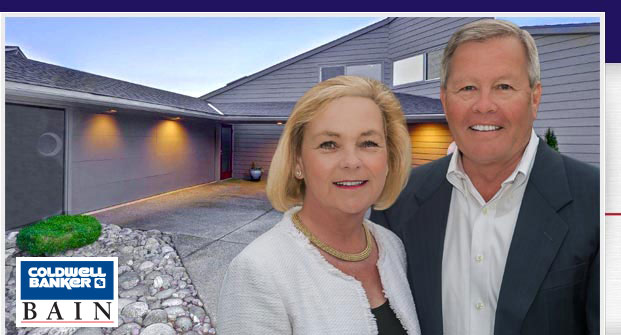



Welcome to Wangsness Connections, your connection to the finest homes and condominiums for sale in Seattle, and Seattle-Eastside communities of Bellevue, Medina, Issaquah, Clyde Hill, Capitol Hill, Madison Park, Laurelhurst, Magnolia, Queen Anne, Alki, Lake Washington, Lake Sammamish, Woodinville, and Kirkland.
View our featured properties , search for homes and condominiums for sale throughout the Seattle, Bellevue and Seattle Eastside area, check out our gallery of previously sold homes , listen to our weekly Northwest Real Estate Connections Radio Show , get access to extensive library of videos , audio and articles containing helpful buying, selling and home remodeling tips, and view upcoming Seattle area events .
Moving from a detached house into a luxury condominium can create a simpler, more connected lifestyle without giving up comfort or quality. For many Seattle-area homeowners, the transition means trading yard maintenance, multiple stairways, and unused rooms for secure access, professional building services, and a well-designed home close to restaurants, culture, parks, and transit.
The best results come from treating the move as a lifestyle decision rather than a simple reduction in square footage. A Seattle condo may offer water, skyline, or mountain views, while a Bellevue or Eastside residence may provide convenient access to major employers, shopping, and regional transportation. The right property should support how you want to live in the next several years.
Downsizing also involves emotional choices. A long-time house may contain family memories, collections, and furniture gathered over decades. A thoughtful plan gives you time to preserve what matters, release what no longer fits, and focus on the features that make a luxury condo feel like home.
Begin by describing an ideal ordinary week in your new residence. Consider whether you want to walk to coffee, entertain guests in a shared lounge, enjoy a fitness center, or lock the door and travel without arranging extensive home maintenance. Your answers will help determine whether a downtown Seattle condominium, a quieter neighborhood property, or an Eastside luxury development makes sense.
Think about daily convenience as carefully as visual appeal. A beautiful unit may be less suitable if it has a long walk from parking, limited guest access, or no practical space for hobbies. Review proximity to grocery stores, medical care, favorite restaurants, cultural venues, waterfront paths, and major roads before becoming attached to a particular listing.
Accessibility should be part of the lifestyle discussion. Elevators, wide hallways, step-free entries, bathroom layouts, and reliable building services can make a home more comfortable today and more adaptable later. A condo that supports aging in place may be a stronger long-term choice than one selected solely for finishes or a dramatic view.
Luxury condominium living still requires careful space planning. Measure furniture before touring seriously, especially large sofas, beds, dining tables, artwork, and heirloom pieces. Note elevator dimensions, doorway widths, ceiling heights, and building rules for moving oversized items. A piece that fits in the unit may still be impossible to bring through the building.
Create three categories for your belongings: must keep, useful if space allows, and ready to release. Prioritize items with genuine function or emotional value rather than keeping furniture simply because it once suited a larger room. Consider digitizing photographs and documents, combining serving pieces, and choosing a few standout objects instead of displaying every collection.
Storage deserves close attention during a condo search. Review the size and location of the assigned storage unit, bicycle area, package room, and parking space. Ask whether storage is deeded, leased, or subject to building rules. If you need seasonal equipment, professional supplies, or recreational gear, include those needs in the floor-plan comparison from the start.
The purchase price is only one part of the financial picture. Monthly homeowners association dues may cover exterior maintenance, landscaping, security, water, concierge services, reserves, and shared amenities. They can also vary significantly between buildings, so compare what each fee includes rather than judging it in isolation.
Budget for property taxes, condo insurance, utilities, parking, storage, and occasional assessments. A luxury building with extensive amenities may have higher operating costs, while a smaller property may offer lower dues but fewer services. Reviewing the association’s financial documents, reserve funding, rules, and recent assessment history can help clarify the long-term cost of ownership.
| Consideration | Detached House | Luxury Condo |
|---|---|---|
| Exterior maintenance | Owner manages roof, yard, and exterior repairs | Association typically manages shared exterior areas |
| Privacy and control | Greater control over land and renovations | Shared walls and building rules may apply |
| Amenities | Usually added and maintained privately | Fitness rooms, lounges, roof decks, or concierge services may be included |
| Travel convenience | Requires arranging more home care | Secure access and building management can simplify time away |
| Monthly expenses | Costs can fluctuate with major repairs | HOA dues are predictable in structure but may rise or include assessments |
| Storage | Garages, sheds, and closets may be extensive | Storage is often limited and must be evaluated carefully |
Ask for a clear explanation of current and projected expenses. A real estate professional can help you examine resale considerations, building policies, and the relationship between amenities and dues. This financial review is especially important when comparing established Seattle condominiums with newer Bellevue developments.
The residence itself is only one part of condominium ownership. Visit common areas, hallways, elevators, parking facilities, package rooms, and outdoor spaces at different times of day. Notice noise, cleanliness, lighting, traffic patterns, and how residents use the amenities. These details often reveal more about daily life than a staged living room.
Read the association documents carefully. Pay attention to rental restrictions, pet policies, renovation approvals, move-in fees, guest parking, short-term rental rules, and limits on flooring or window coverings. If you plan to remodel a kitchen or bathroom, learn which work requires board approval and whether plumbing, electrical, or structural changes face additional limitations.
Ask about the building’s recent maintenance and future projects. Roofs, elevators, mechanical systems, exterior envelopes, and garages can produce significant expenses. A well-managed association with healthy reserves may offer greater confidence than a property with exceptionally low dues and unclear maintenance planning.
Selling the house before or after purchasing a condo depends on finances, timing, and your tolerance for uncertainty. Some owners prefer to prepare the house, sell, and use temporary housing while searching. Others need the proceeds from the sale to purchase and require a carefully coordinated closing. Discuss these options early so your offer strategy reflects your actual position.
Preparing the house for market can be easier when downsizing is already underway. Remove excess furniture, simplify rooms, organize closets, and complete repairs that affect buyer confidence. The goal is not to erase personality; it is to show how the home functions and help prospective buyers understand its space.
Condo moves often require more advance coordination than house moves. Buildings may reserve specific elevator windows, require proof of insurance from movers, limit truck access, or charge move-in deposits. Schedule these details as soon as dates become realistic. If you are relocating from another city or helping an older family member, experienced client experiences can offer useful perspective on communication, timing, and service.
Use a written transition calendar that includes listing preparation, donation pickups, document review, inspections, closing dates, utility changes, elevator reservations, and address updates. A reliable real estate team can coordinate with lenders, escrow professionals, movers, organizers, and contractors so responsibilities do not become scattered.
A smaller footprint can feel generous when every room has a clear purpose. Choose furniture with appropriate scale, use closed storage to reduce visual clutter, and select lighting that creates warmth without occupying valuable floor space. Built-in shelving, custom closets, and flexible guest spaces can add function while preserving an open feeling.
Luxury finishes do not automatically create comfort. Incorporate familiar textures, artwork, photographs, and objects that connect the new residence to your history. A few carefully selected pieces may have greater impact than a crowded display. Window coverings, area rugs, and layered lighting can also soften the transition from a traditional house to a more vertical urban setting.
Before committing to a design plan, review condo renovation rules and contractor requirements. Some buildings restrict work hours, freight elevator use, plumbing alterations, and debris removal. Planning within those boundaries prevents delays and helps you direct your budget toward improvements that make the residence easier and more enjoyable to use.
Use the following priorities when comparing properties and preparing for the move:
Give yourself enough time to make decisions without treating every possession as an emergency. Selling, donating, gifting, or storing items in stages can make the process more manageable. If family members are involved, explain the plan early and preserve important heirlooms thoughtfully rather than assigning them at the last minute.
A successful move leaves you with fewer maintenance obligations and more freedom to enjoy the region. Whether your ideal setting is near Seattle’s waterfront, in a high-rise close to downtown, or in a refined Bellevue community, the right condo should reflect your routines, financial comfort, and vision for the years ahead.
When you are ready to evaluate neighborhoods, compare luxury condominium buildings, or coordinate the sale of your current house, connect with Wangsness Connections. Patricia and David Wangsness can help you plan the transition with local market knowledge, relocation experience, and attention to the practical details that make downsizing feel purposeful.

Listen live to Patricia and David's radio show Northwest Real Estate Connections every Wednesday from 3-4 PM Pacific Time on AM 1300 KKOL [ Listen Live ], and 1:00 pm to 2:00 pm every Sunday on Freedom AM1590.

A unique webshow is devoted to the Art, Science and Timing of Real Estate.
View our latest show where Professional photographer Drew Rice gives tips and advice for preparing your home for a photoshoot.. | [ View Now ]
Sign up for our Email Newsletter
