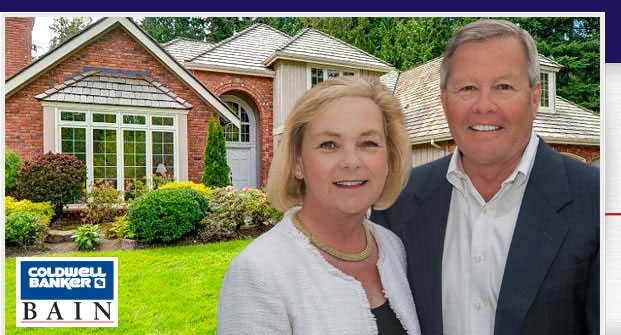


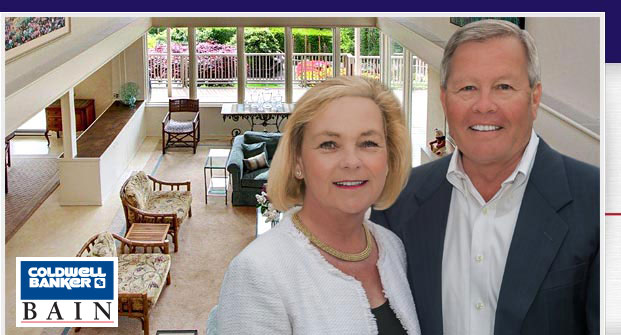
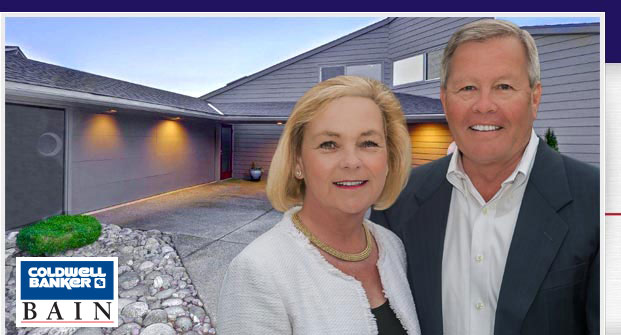



Welcome to Wangsness Connections, your connection to the finest homes and condominiums for sale in Seattle, and Seattle-Eastside communities of Bellevue, Medina, Issaquah, Clyde Hill, Capitol Hill, Madison Park, Laurelhurst, Magnolia, Queen Anne, Alki, Lake Washington, Lake Sammamish, Woodinville, and Kirkland.
View our featured properties , search for homes and condominiums for sale throughout the Seattle, Bellevue and Seattle Eastside area, check out our gallery of previously sold homes , listen to our weekly Northwest Real Estate Connections Radio Show , get access to extensive library of videos , audio and articles containing helpful buying, selling and home remodeling tips, and view upcoming Seattle area events .
Mid-century homes remain popular across Seattle, Bellevue, and the surrounding Eastside because they offer strong architectural character, efficient layouts, and a close connection to the outdoors. Wide windows, open living areas, natural materials, and low-slope rooflines give these properties an identity that newer construction often tries to recreate.
The most successful renovation projects respect that original character while improving comfort, function, and maintenance. A thoughtful remodel can make a home more appealing to current owners and future buyers, especially when updates address the needs of modern households without erasing the details that define the era.
Value, however, does not come from adding the most expensive finishes. It comes from choosing improvements that solve visible problems, improve daily living, and fit the neighborhood. Homeowners considering a move can also review Seattle area communities to understand how location, property style, and buyer expectations influence renovation decisions.
A mid-century remodel should begin with the home’s original design language. Clerestory windows, exposed beams, built-in cabinetry, stone fireplaces, wood paneling, and clean horizontal lines can be valuable architectural assets. Removing every vintage feature may make the home feel generic and reduce its appeal to buyers who specifically seek mid-century style.
That does not mean a house must remain frozen in the past. Improved lighting, better storage, updated electrical systems, and a more functional floor plan can make the property comfortable for contemporary life. The goal is to clarify the home’s strengths rather than cover them with unrelated design choices.
Before planning cosmetic work, commission a professional inspection. Mid-century properties may have aging plumbing, outdated wiring, original windows, drainage concerns, or insulation gaps. Addressing these issues first protects later investments and gives homeowners a more accurate renovation budget.
The kitchen is often the most influential remodeling project for resale value. In many mid-century homes, kitchens are compact, separated from the living room, or filled with worn cabinets and inefficient appliances. Improving circulation, storage, and natural light can create a substantial benefit without requiring a complete structural transformation.
A practical update may include new cabinet fronts, durable counters, energy-efficient appliances, improved task lighting, and a better-organized pantry. If the layout allows, removing a non-load-bearing wall or opening a partial partition can connect the kitchen to dining and living areas while preserving a sense of separation.
Material selection matters. Flat-panel cabinetry, warm wood tones, simple tile, integrated appliances, and restrained hardware often complement mid-century architecture. Overly ornate cabinets, excessive contrast, or trend-driven finishes can compete with the home’s clean lines. A well-designed kitchen should feel current while remaining believable within the property’s original era.
Bathrooms deliver strong value because buyers notice their condition immediately. A dated mid-century bathroom can often be refreshed through a focused renovation rather than a costly expansion. New plumbing fixtures, improved ventilation, contemporary lighting, durable flooring, and a well-designed vanity can significantly improve the room.
When space permits, homeowners may consider adding a second bathroom or converting an underused closet into a powder room. In Seattle-area homes, where older properties sometimes have limited bathroom capacity, an additional convenient bathroom can improve livability and broaden the future buyer pool.
Keep the design cohesive with the rest of the house. Simple geometric tile, natural stone, walnut or oak cabinetry, and period-appropriate fixtures can reinforce the architectural identity. Accessibility improvements, such as a curbless shower, grab-bar blocking, and wider clearances, may also support long-term ownership without making the room feel institutional.
| Remodeling project | Value and livability benefit | Design approach |
|---|---|---|
| Kitchen renovation | Improves function, storage, and buyer appeal | Use clean cabinetry, durable surfaces, and efficient appliances |
| Bathroom update | Refreshes a highly visible area and supports daily comfort | Combine modern fixtures with restrained mid-century details |
| Window replacement | Increases energy efficiency, comfort, and acoustic control | Preserve the original proportions and horizontal emphasis |
| Insulation and HVAC | Reduces operating costs and improves year-round performance | Prioritize concealed upgrades with measurable benefits |
| Outdoor living area | Extends usable space and strengthens indoor-outdoor flow | Use low-profile materials and native Northwest planting |
| Entry and lighting improvements | Creates a stronger first impression and better wayfinding | Highlight the original lines, doors, and architectural features |
Energy efficiency is one of the most valuable improvements for an older home, especially in the Pacific Northwest. Original windows may be beautiful but drafty, while limited insulation can create uneven temperatures and higher utility bills. Buyers increasingly look for comfort, operating efficiency, and evidence that major systems have been responsibly maintained.
Window replacement requires care. If the original windows are distinctive, replacing them with poorly proportioned units can damage the exterior appearance. High-quality replacements that match the existing rhythm, frame color, and scale are preferable. In some cases, restoration and weatherization may preserve more character than full replacement.
Other worthwhile upgrades include attic insulation, air sealing, heat-pump systems, updated electrical panels, and smart but unobtrusive controls. Document completed work with permits, invoices, warranties, and maintenance records. Clear documentation helps a future buyer understand the investment and can reduce uncertainty during a sale.
Mid-century design is strongly associated with indoor-outdoor living. Large windows, sliding doors, patios, terraces, and private courtyards can become major selling points when they are safe, attractive, and easy to use. Improving these spaces may provide a better return than adding a highly specialized interior feature.
Consider replacing a worn patio surface, repairing a retaining wall, upgrading exterior lighting, or installing a properly sized deck. A newer sliding or folding door can improve access, though the opening must be carefully engineered and consistent with the structure. Comfortable seating areas, weather-resistant finishes, and a modest outdoor cooking station may further extend the living space.
Landscaping should support the architecture and the Northwest climate. Native or well-adapted plants, layered screening, mature trees, and permeable paths can create privacy without making the yard feel crowded. Good drainage is especially important on sloped lots and properties near wooded areas.
The strongest renovation choices are easy to see and easy to explain. A buyer may appreciate a beautiful kitchen, but they will also value a dry basement, reliable heating, a sound roof, efficient windows, and a well-maintained exterior. Visible design improvements should be balanced with behind-the-scenes repairs that protect the property.
Before committing to a large project, compare the likely cost with neighborhood expectations. A highly customized addition may be enjoyable for the current owner but difficult to recover in a resale. Consulting an experienced local real estate professional can provide useful perspective on which features buyers in Seattle, Bellevue, or a specific Eastside neighborhood actually prioritize.
Homeowners can use these guidelines to establish a sensible renovation order:
A remodel creates the greatest value when it serves the home’s architecture, the neighborhood, and the people who will use the space. Mid-century properties reward restraint: polished wood, natural light, strong proportions, and connections to the landscape often make a more lasting impression than flashy finishes.
When a sale or relocation is part of the plan, evaluate completed projects through a buyer’s eyes. A local advisor can help determine which improvements should be completed, which can be left for the next owner, and how to present the home’s history and updates clearly. Reading client testimonials can offer insight into the kind of guidance homeowners receive during that process.
Whether the goal is a more comfortable residence or a stronger future listing, begin with a property-specific assessment and a realistic scope of work. Connect with Wangsness Connections for local insight into remodeling priorities, market positioning, and the next step for your Seattle-area mid-century home.

Listen live to Patricia and David's radio show Northwest Real Estate Connections every Wednesday from 3-4 PM Pacific Time on AM 1300 KKOL [ Listen Live ], and 1:00 pm to 2:00 pm every Sunday on Freedom AM1590.

A unique webshow is devoted to the Art, Science and Timing of Real Estate.
View our latest show where Professional photographer Drew Rice gives tips and advice for preparing your home for a photoshoot.. | [ View Now ]
Sign up for our Email Newsletter
