



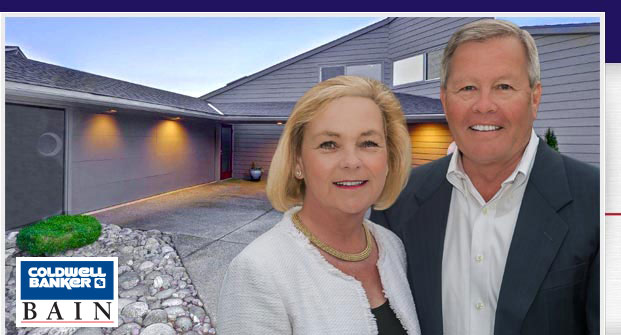



Welcome to Wangsness Connections, your connection to the finest homes and condominiums for sale in Seattle, and Seattle-Eastside communities of Bellevue, Medina, Issaquah, Clyde Hill, Capitol Hill, Madison Park, Laurelhurst, Magnolia, Queen Anne, Alki, Lake Washington, Lake Sammamish, Woodinville, and Kirkland.
View our featured properties , search for homes and condominiums for sale throughout the Seattle, Bellevue and Seattle Eastside area, check out our gallery of previously sold homes , listen to our weekly Northwest Real Estate Connections Radio Show , get access to extensive library of videos , audio and articles containing helpful buying, selling and home remodeling tips, and view upcoming Seattle area events .
Across Bellevue, Redmond, Kirkland, Issaquah, Sammamish, and nearby communities, more households are planning homes around several generations under one roof. Adult children may be returning after college, older parents may want to live closer to family, and relatives may be sharing expenses in a competitive housing market. The result is a broader definition of what makes a home comfortable, flexible, and valuable.
Multi-generational living can support caregiving, reduce duplicated household costs, and create everyday connection. It can also expose differences in privacy, schedules, mobility needs, and financial expectations. Finding the right property requires looking beyond bedroom count to layout, zoning, accessibility, transportation, and the long-term plans of everyone who will live there.
The Eastside offers a wide range of possibilities, from condominium communities with convenient amenities to expansive properties with detached living quarters. Buyers who clarify their priorities early can focus their search on homes that support independence while preserving shared family space.
Housing costs are a major factor. Combining incomes or family resources can make it easier to purchase in high-demand areas such as Bellevue and Kirkland, where proximity to employers, schools, parks, and services influences prices. Sharing a property may also allow relatives to divide utilities, maintenance, and other recurring expenses.
Caregiving is another important consideration. A home that keeps grandparents near children and grandchildren can simplify transportation and daily support. At the same time, adult children may appreciate having family nearby while maintaining separate routines. The best arrangements provide connection without requiring every household member to use the same living space constantly.
Remote and hybrid work have added a further dimension. A multi-generational household may need several quiet work areas, reliable internet coverage, and rooms that can change purpose over time. A bedroom used as a nursery today might become an office, guest room, or caregiver suite later.
A traditional single-family home can work well when its floor plan separates sleeping areas from shared living spaces. Main-floor bedrooms are valuable for older adults or relatives who prefer to avoid stairs. A daylight basement with a private entrance may offer additional flexibility, although buyers should carefully evaluate ceiling height, natural light, ventilation, and whether the space is legally permitted for residential use.
Homes with an accessory dwelling unit, often called an ADU or mother-in-law suite, offer a stronger sense of independence. The unit may include a kitchen, bathroom, sleeping area, and separate entrance. On the Eastside, availability and regulations vary by city, so buyers should verify permits, occupancy rules, parking requirements, and utility arrangements before relying on an ADU as a primary housing solution.
Two-story homes can provide separation, yet stairs and sound transfer deserve close attention. A property with multiple primary suites may be more adaptable than one with several small bedrooms. Wide hallways, bathrooms near bedrooms, storage, and a layout that permits future modifications can matter as much as square footage.
The right choice depends on how much privacy each household needs, whether independent cooking is important, and how long the arrangement is expected to last. Condominiums may simplify exterior maintenance, while detached homes typically offer more control over renovations and outdoor space. A townhouse can provide a middle ground, but multiple floors may create accessibility concerns.
| Home option | Best suited for | Advantages | Points to investigate |
|---|---|---|---|
| Single-family home with flexible rooms | Families sharing common areas | More space, yard access, renovation potential | Stair access, bathroom count, sound separation |
| Home with permitted ADU | Relatives seeking independence | Separate entrance, kitchen, and routines | Zoning, permits, parking, utility costs |
| Condo with multiple bedrooms | Households prioritizing location and convenience | Lower exterior maintenance, amenities, transit access | HOA rules, guest parking, accessibility, dues |
| Townhouse with multiple suites | Buyers seeking shared ownership and privacy | Modern layouts, efficient space, community features | Stairs, shared walls, association restrictions |
| Nearby homes in the same community | Families wanting proximity without cohabitation | Privacy plus support, separate finances | Purchase costs, travel time, neighborhood availability |
Location should be evaluated as carefully as the floor plan. A home near grocery stores, medical providers, transit, trails, and community centers may serve several generations better than a larger property far from daily necessities. Families comparing neighborhoods can use this Seattle-area community guide to begin thinking about lifestyle, commute, and local character.
Universal design principles can make a home safer and easier to use for people of different ages and abilities. A zero-step entry, lever-style door handles, brighter lighting, nonslip flooring, and a curbless shower are practical features that support long-term comfort. These improvements can benefit young children and temporarily injured residents as well as older adults.
Bathrooms deserve special attention. A home with one bathroom per floor may function very differently from one with a bathroom attached to each private suite. Buyers should inspect turning space, shower access, ventilation, storage, and the possibility of adding grab bars without major reconstruction.
Kitchens and common areas should encourage gathering without forcing constant interaction. Two refrigerators, generous pantry storage, an additional sink, or a second compact kitchen may reduce scheduling conflicts. Outdoor spaces can serve a similar purpose when they include both active areas for children and quieter seating for adults.
Before making an offer, relatives should discuss how the purchase will be funded and titled. Possibilities include one household buying the property, multiple parties sharing ownership, or parents contributing funds toward a purchase. Each arrangement can affect taxes, estate planning, mortgage qualification, insurance, and future decision-making.
A written household agreement can clarify contributions to the down payment, monthly expenses, repairs, renovations, and eventual sale. It should also address what happens if someone moves out, relationships change, a caregiver role ends, or an owner dies. Legal and tax professionals can help families structure these decisions appropriately.
Buyers should budget for more than the mortgage. Larger households often create higher utility bills, heavier wear, and greater maintenance needs. If a property needs renovation to create a private suite or improve accessibility, obtain contractor estimates before waiving contingencies or assuming the work will be straightforward.
When evaluating a distressed property or unusual purchase arrangement, careful due diligence is essential. A detailed resource on making a short sale offer can help buyers understand why lender approval, timelines, condition, and documentation may differ from a standard transaction.
The most productive searches begin with a shared list of needs rather than a single person’s wish list. Identify the number of private bedrooms, bathrooms, kitchens, workspaces, parking spaces, and entrances required today. Then separate essential features from improvements that could be completed later.
Commute patterns should be mapped for every working adult, not just the primary buyer. A location convenient to downtown Bellevue may be less practical for someone traveling to Seattle, Redmond, Bothell, or a medical campus. School boundaries, senior services, transit connections, and access to airports can also influence the decision.
It is useful to visit a property at different times of day. Listen for traffic and neighboring activity, assess natural light, test stairs and doors, and imagine how several households would move through the home during a typical morning. A beautiful floor plan on paper may feel cramped when work, school, caregiving, and meal preparation overlap.
Every family’s arrangement is different, but these steps can make the process more focused:
A knowledgeable real estate team can help coordinate these competing priorities and identify properties that may support several stages of family life. For buyers relocating to the Eastside, local guidance is especially useful when comparing commute corridors, municipal regulations, and neighborhood services.
Multi-generational living works best when the home supports both togetherness and autonomy. Whether the right answer is an ADU, a flexible single-family property, a condominium, or nearby homes, the search should reflect the family’s practical routines and future plans. Connect with Wangsness Connections to explore Eastside home options and begin a property search shaped around the people who will live there.

Listen live to Patricia and David's radio show Northwest Real Estate Connections every Wednesday from 3-4 PM Pacific Time on AM 1300 KKOL [ Listen Live ], and 1:00 pm to 2:00 pm every Sunday on Freedom AM1590.

A unique webshow is devoted to the Art, Science and Timing of Real Estate.
View our latest show where Professional photographer Drew Rice gives tips and advice for preparing your home for a photoshoot.. | [ View Now ]
Sign up for our Email Newsletter
