



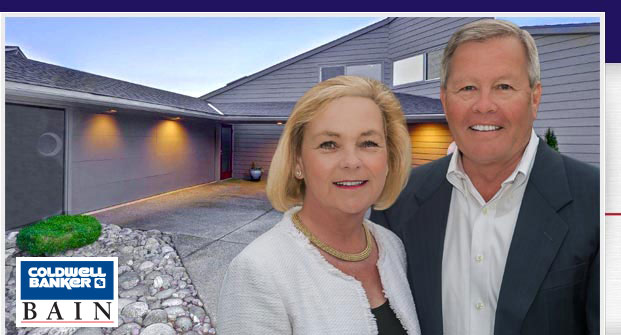



Welcome to Wangsness Connections, your connection to the finest homes and condominiums for sale in Seattle, and Seattle-Eastside communities of Bellevue, Medina, Issaquah, Clyde Hill, Capitol Hill, Madison Park, Laurelhurst, Magnolia, Queen Anne, Alki, Lake Washington, Lake Sammamish, Woodinville, and Kirkland.
View our featured properties , search for homes and condominiums for sale throughout the Seattle, Bellevue and Seattle Eastside area, check out our gallery of previously sold homes , listen to our weekly Northwest Real Estate Connections Radio Show , get access to extensive library of videos , audio and articles containing helpful buying, selling and home remodeling tips, and view upcoming Seattle area events .
Remote and hybrid work have changed the way many Seattle-area households evaluate a home. A property is no longer judged only by its distance from downtown Seattle, Bellevue, or a major corporate campus. Buyers are paying closer attention to floor plans, internet reliability, neighborhood services, outdoor space, and the daily experience of living in the home.
This shift is especially visible across Bellevue, Redmond, Kirkland, Issaquah, Sammamish, Mercer Island, and nearby Eastside communities. Technology employees, relocating professionals, entrepreneurs, and established households may still commute regularly, but they often have greater flexibility about when and how they travel.
For buyers, that flexibility creates more room to compare communities and property types. A condominium near an urban center may suit someone who values walkability and occasional commuting, while a larger home farther east may appeal to a household seeking dedicated offices, recreation space, and quieter surroundings.
Commute time remains important, particularly for buyers who work in Bellevue’s business district or travel to Seattle several days each week. However, it is no longer the single factor that determines where a household can comfortably live. A 45-minute trip may be acceptable when it happens twice a week instead of every weekday.
This expanded radius has brought more attention to communities that combine residential comfort with reasonable access to employment centers. Buyers may compare a downtown Bellevue condominium with a single-family home in Kirkland or Sammamish, weighing transportation patterns against privacy, yard space, and monthly housing costs.
Hybrid workers also tend to evaluate the timing and predictability of a commute. Access to Interstate 405, State Route 520, light rail, bus connections, and neighborhood routes can still influence a purchase, but buyers are often looking for flexibility rather than the shortest possible daily drive.
The home office has become a central feature in Eastside home searches. A small desk in a bedroom may be sufficient for occasional remote work, but people who work from home most of the week often want a room with a door, natural light, acoustic separation, and enough space for professional video calls.
Many buyers are also seeking adaptable rooms. A bonus room can function as an office today and a guest suite, study area, or hobby room later. Finished basements, lofts, detached studios, and extra bedrooms may command more attention because they allow a home to accommodate changing work and family needs.
Floor plan flow matters as much as square footage. An open concept can support shared household activities, yet it may provide little privacy during simultaneous meetings. Buyers are increasingly inspecting where sound travels, whether work areas can be closed off, and how easily a household can separate professional responsibilities from personal life.
Reliable high-speed internet is now a practical home feature rather than a minor convenience. Buyers may ask about available providers, service options, wiring, dead zones, and whether the property can support several video calls, connected devices, and streaming activities at the same time.
Neighborhood amenities also shape the remote-work experience. Coffee shops, libraries, fitness studios, parks, childcare, restaurants, and grocery stores can provide useful alternatives when a resident needs a change of setting. Downtown Bellevue, Kirkland’s waterfront area, Redmond’s urban core, and walkable parts of Seattle offer different combinations of services that may reduce the need for frequent driving.
Outdoor access has gained importance as well. A private patio, balcony, garden, nearby trail, or waterfront view can make a home feel more restorative when work and personal life take place in the same general environment. For buyers comparing premium properties, the quality of these spaces may influence value as much as interior finishes.
Remote work does not produce one universal buyer profile. Preferences depend on household size, employer expectations, budget, career stage, and the number of people sharing the property. A buyer who needs only a quiet desk may prioritize location and low maintenance, while a fully remote household may favor a larger lot and several distinct work areas.
| Home feature | Why it appeals to remote workers | Potential trade-off |
|---|---|---|
| Dedicated office | Creates privacy, focus, and a professional setting | May reduce flexibility or add to the purchase price |
| Extra bedroom or bonus room | Supports multiple workstations and future needs | More space usually means higher maintenance and utilities |
| Reliable internet access | Enables video meetings, cloud systems, and connected devices | Service quality can vary by address and provider |
| Walkable amenities | Makes breaks, errands, and casual meetings easier | Urban locations may offer less outdoor space |
| Large yard or private outdoor area | Provides separation and room to recharge | Landscaping and upkeep require time and money |
| Condominium living | Offers convenience, security, and fewer exterior tasks | HOA rules may limit renovations or workspace changes |
| Flexible Eastside location | Broadens housing choices beyond the daily commute | Occasional travel can still involve traffic and tolls |
The strongest choice usually balances work functionality with long-term livability. Buyers should consider how often they expect to work remotely, whether a partner or roommate also needs an office, and how the property would perform if employment arrangements change.
Remote workers can place a higher value on homes that make daily life feel comfortable between meetings. Waterfront residences, homes near parks, and properties with usable outdoor areas may attract buyers who want restorative surroundings without giving up access to Eastside employment centers.
Waterfront property also requires a careful review of maintenance, insurance, access, and future market appeal. Buyers considering this category can benefit from understanding waterfront listing timing, particularly when comparing seasonal inventory and the presentation of outdoor spaces.
The appeal extends beyond scenery. A deck can become an informal meeting area, a garden can create a meaningful break from screen time, and proximity to trails can support a healthier daily routine. These benefits may be difficult to measure in a standard property comparison, yet they can strongly influence satisfaction after the move.
Condominiums remain attractive to remote and hybrid workers who want low-maintenance living, secure access, shared amenities, and proximity to restaurants or transit. A well-designed unit with a den, strong natural light, and effective sound insulation may be more useful than a larger property with a difficult layout.
At the same time, single-family homes offer advantages that are difficult to replicate in a condominium. Buyers may gain greater control over renovations, office placement, storage, landscaping, and outdoor use. These benefits can be especially valuable for households with children, pets, equipment, or multiple remote workers.
HOA documents deserve close attention when evaluating a condominium or planned community. Rules about renovations, flooring, noise, parking, package delivery, and exterior changes can affect how easily a buyer creates a functional home office. For any property type, the resale market should remain part of the analysis rather than an afterthought.
The best property search begins with a realistic description of how the household works. Buyers should identify the number of weekly office days, the equipment they use, the need for privacy, and the likelihood of future changes. This prevents attractive but unsuitable features from distracting them during tours.
It also helps to test the home as a working environment. Buyers can stand in proposed office locations, listen for nearby noise, examine window glare, check cellular reception, and ask specific questions about internet providers. A floor plan review may reveal whether a room is genuinely functional or simply labeled as an office by marketing materials.
Use these priorities to make the search more focused:
A local real estate professional can help connect these practical details with neighborhood trends, property condition, and market value. Buyers relocating to the region may benefit from guidance that compares Seattle and Eastside communities according to lifestyle, work patterns, schools, services, and housing stock rather than relying on commute maps alone.
For personalized guidance on finding a home that supports both professional demands and everyday life, contact Wangsness Connections to explore properties across Seattle, Bellevue, and the surrounding Eastside.

Listen live to Patricia and David's radio show Northwest Real Estate Connections every Wednesday from 3-4 PM Pacific Time on AM 1300 KKOL [ Listen Live ], and 1:00 pm to 2:00 pm every Sunday on Freedom AM1590.

A unique webshow is devoted to the Art, Science and Timing of Real Estate.
View our latest show where Professional photographer Drew Rice gives tips and advice for preparing your home for a photoshoot.. | [ View Now ]
Sign up for our Email Newsletter
