


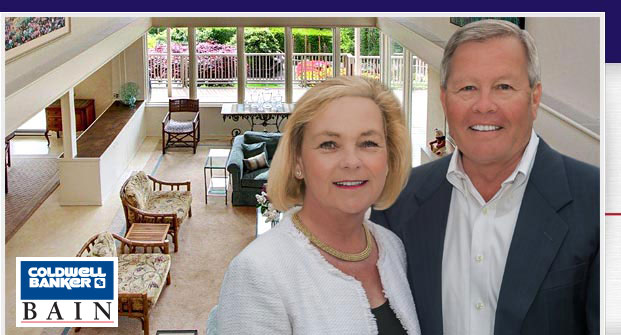
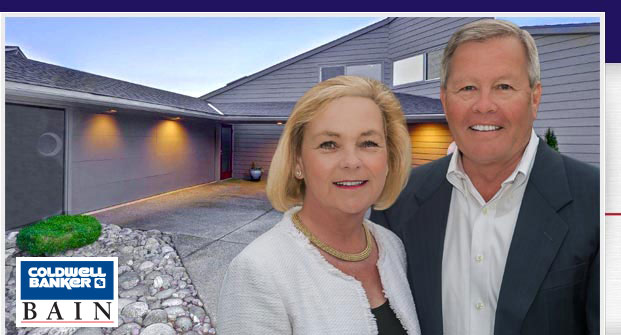



Welcome to Wangsness Connections, your connection to the finest homes and condominiums for sale in Seattle, and Seattle-Eastside communities of Bellevue, Medina, Issaquah, Clyde Hill, Capitol Hill, Madison Park, Laurelhurst, Magnolia, Queen Anne, Alki, Lake Washington, Lake Sammamish, Woodinville, and Kirkland.
View our featured properties , search for homes and condominiums for sale throughout the Seattle, Bellevue and Seattle Eastside area, check out our gallery of previously sold homes , listen to our weekly Northwest Real Estate Connections Radio Show , get access to extensive library of videos , audio and articles containing helpful buying, selling and home remodeling tips, and view upcoming Seattle area events .
Luxury in Seattle is shaped by more than a large budget or a prestigious address. The region’s architecture, natural setting, changing neighborhoods, and practical relationship with rain and daylight all influence what feels genuinely refined. A restored Queen Anne, a waterfront condominium, and a new Bellevue residence may express luxury in very different ways.
Traditional and modern interiors offer two distinct design languages. Traditional spaces emphasize craftsmanship, history, texture, and proportion. Modern spaces focus on clarity, natural light, technology, and the relationship between indoors and outdoors. Both can be highly personal, comfortable, and valuable when their choices suit the property.
For homeowners preparing to buy, sell, or remodel, understanding these differences helps prevent expensive design decisions that feel disconnected from the home. The strongest results usually come from respecting the building’s character while introducing features that support contemporary Seattle living.
Traditional luxury often begins with architectural detail. Wide-plank wood floors, custom millwork, coffered ceilings, stone fireplaces, divided-light windows, and carefully proportioned doorways create a sense of permanence. In older Seattle neighborhoods such as Capitol Hill, Madison Park, Queen Anne, and Laurelhurst, these features can reinforce the identity of the home rather than simply decorate it.
Color also plays an important role in a classic interior. Deep greens, warm whites, navy, charcoal, and muted earth tones complement the region’s wooded surroundings and overcast skies. Layered window treatments, tailored upholstery, antiques, and handcrafted lighting add visual depth while keeping formal rooms welcoming.
Modern luxury takes a more restrained approach. Its appeal comes from precision: flush cabinetry, clean lines, large panes of glass, concealed storage, and a limited material palette. Instead of filling a room with ornament, modern design draws attention to a striking view, an architectural staircase, a sculptural light fixture, or the grain of a natural material.
Seattle’s older homes often reward careful preservation. A Craftsman bungalow may gain value from restoring its built-in cabinets and wood trim, while a Tudor can retain its charm through an appropriate fireplace surround, leaded glass, or historically sympathetic hardware. Traditional luxury does not require a home to feel formal or museum-like; it depends on quality, balance, and thoughtful editing.
Materials tend to feel tactile and substantial. Marble with visible veining, unlacquered brass, hand-finished plaster, wool rugs, and oak cabinetry develop character over time. These choices can make a residence feel established and individual, especially when paired with custom work from local craftspeople.
The risk is excessive imitation. Reproducing every historic detail or combining too many ornate elements can make a renovation feel staged. A successful traditional interior leaves room for contemporary comfort, efficient lighting, updated systems, and furniture that supports everyday life.
Modern luxury in Seattle is closely tied to the landscape. Floor-to-ceiling windows frame the Olympic Mountains, Puget Sound, Lake Washington, or a mature garden. Sliding doors extend living areas toward terraces, while natural stone, timber, concrete, and metal connect the interior with the Northwest environment.
Open layouts are common, but openness alone does not create sophistication. A well-designed modern home uses subtle changes in ceiling height, flooring, lighting, and furniture placement to define the kitchen, dining area, and living room. Built-in storage keeps the space calm without making it feel empty.
Technology is often integrated rather than displayed. Motorized shades, radiant heating, whole-home audio, energy monitoring, induction cooking, and discreet security systems can improve comfort without overwhelming the architecture. In a condominium, efficient storage and acoustic control may matter just as much as a dramatic view.
When remodeling a kitchen, homeowners can find practical inspiration in these Seattle kitchen trends, particularly ideas that balance contemporary function with materials likely to appeal to local buyers.
The most compelling interiors frequently combine traditional craftsmanship with modern livability. A classic home might have original trim, a contemporary kitchen, and minimalist furnishings. A new residence may include a formal library with rich paneling alongside an open entertaining area with retractable glass doors.
This blended approach is especially useful in Seattle, where properties vary widely by neighborhood and age. A historic home can accommodate modern systems and cleaner furniture, while a recent construction project can gain warmth from natural wood, textured fabrics, and vintage-inspired lighting.
| Design element | Traditional luxury | Modern luxury | Seattle application |
|---|---|---|---|
| Layout | Defined rooms and formal transitions | Open, flexible living zones | Preserve character while improving flow |
| Materials | Marble, oak, brass, wool, plaster | Glass, steel, concrete, natural stone | Use durable finishes suited to wet weather |
| Lighting | Decorative fixtures and layered lamps | Integrated LEDs and architectural lighting | Compensate for low winter daylight |
| Storage | Freestanding furniture and cabinetry | Concealed built-ins and minimalist fronts | Keep compact urban spaces visually calm |
| Technology | Discreet upgrades behind classic details | Fully integrated smart-home systems | Improve comfort without distracting from views |
| Outdoor connection | Gardens, porches, and enclosed rooms | Terraces, glazing, and seamless transitions | Emphasize greenery, water, and mountain outlooks |
The property itself should guide the design vocabulary. A grand traditional renovation may suit a stately home with generous ceiling heights, while a restrained modern scheme can make a smaller condominium appear more spacious. In Bellevue and other Eastside communities, newer homes may support a polished contemporary look, although warm materials can prevent large rooms from feeling impersonal.
Resale considerations matter as well. Highly customized interiors can be rewarding for the current owner but limiting when the home enters the market. Durable flooring, well-designed kitchens, quality windows, strong lighting, and ample storage generally have broad appeal across design preferences.
The best improvements also respond to how people live. A household that entertains frequently may prioritize a generous island, beverage center, and connected dining space. Someone working from home may value a quiet study, acoustic doors, and layered task lighting more than a formal sitting room.
A clear strategy helps preserve the character of the home while controlling cost and complexity. Before selecting finishes, study the architecture, natural light, surrounding properties, and likely future use of each room.
Practical priorities include:
Working with experienced real estate and design professionals can add useful perspective before construction begins. A renovation should express the homeowner’s taste while remaining appropriate for the neighborhood and realistic for the local market.
Traditional and modern luxury design in Seattle are not competing formulas. They are approaches that can be adapted to a home’s architecture, setting, and residents. Traditional interiors offer depth, craftsmanship, and a connection to the past. Modern interiors bring openness, simplicity, and a strong relationship with the Northwest landscape.
For buyers, sellers, and relocating families, design decisions can influence both daily enjoyment and long-term value. Wangsness Connections helps clients evaluate fine homes, condominiums, and luxury properties throughout Seattle, Bellevue, and nearby Eastside communities with an understanding of how distinctive features affect lifestyle and market appeal.
Connect with Patricia and David Wangsness when you are ready to explore a property, plan a move, or prepare a Seattle-area home for its next chapter.

Listen live to Patricia and David's radio show Northwest Real Estate Connections every Wednesday from 3-4 PM Pacific Time on AM 1300 KKOL [ Listen Live ], and 1:00 pm to 2:00 pm every Sunday on Freedom AM1590.

A unique webshow is devoted to the Art, Science and Timing of Real Estate.
View our latest show where Professional photographer Drew Rice gives tips and advice for preparing your home for a photoshoot.. | [ View Now ]
Sign up for our Email Newsletter
