



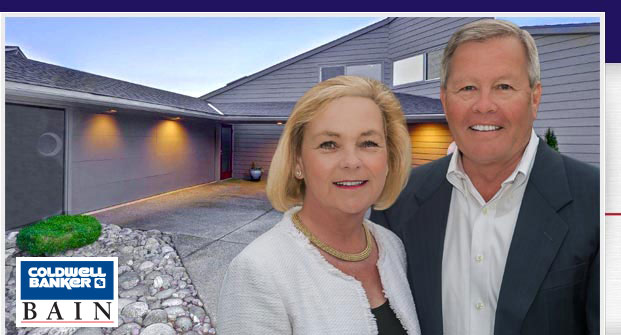



Welcome to Wangsness Connections, your connection to the finest homes and condominiums for sale in Seattle, and Seattle-Eastside communities of Bellevue, Medina, Issaquah, Clyde Hill, Capitol Hill, Madison Park, Laurelhurst, Magnolia, Queen Anne, Alki, Lake Washington, Lake Sammamish, Woodinville, and Kirkland.
View our featured properties , search for homes and condominiums for sale throughout the Seattle, Bellevue and Seattle Eastside area, check out our gallery of previously sold homes , listen to our weekly Northwest Real Estate Connections Radio Show , get access to extensive library of videos , audio and articles containing helpful buying, selling and home remodeling tips, and view upcoming Seattle area events .
Pricing a home in a slowing market requires more than reviewing yesterday’s sale prices and adding a little extra for recent improvements. Buyers have more time to compare properties, financing costs may affect purchasing power, and listings that once attracted immediate offers can remain active for several weeks. The right asking price must reflect current buyer behavior as well as the home’s features.
In Seattle, Bellevue, and nearby Eastside communities, values can vary significantly from one neighborhood, school boundary, building, or street to the next. A well-maintained home near transit or major employers may perform differently from a similar property with a longer commute. Condominiums also require a closer look at monthly dues, reserves, rental rules, and recent sales within the same building.
A competitive price is designed to create interest without leaving money on the table. It should encourage qualified buyers to schedule a showing, make an offer, and feel confident that the property represents fair value. A thoughtful pricing strategy also gives sellers a clear plan for responding when market feedback differs from expectations.
Start by examining current inventory, pending sales, and the average number of days properties are taking to go under contract. Active listings reveal the competition, but pending and recently sold homes often provide a better indication of what buyers are actually accepting. If several comparable homes have reduced their prices, that pattern may signal that sellers initially entered the market too high.
The local supply-demand balance matters as well. A neighborhood with limited inventory may support a stronger price than an area with many similar homes competing for attention. However, even in a desirable location, buyers may resist a premium if the home has dated finishes, an awkward floor plan, deferred maintenance, or a high monthly payment.
Economic conditions can influence the pace of the market, but broad headlines should not replace neighborhood-level analysis. A Bellevue townhome, a Seattle condominium, and a waterfront property may respond differently to interest rates and buyer confidence. Pricing should be grounded in the segment where the home actually competes.
Comparable sales, often called “comps,” are the foundation of a defensible listing price. The best examples are similar in location, property type, size, age, condition, lot characteristics, and amenities. A recently sold home several miles away may be less useful than a slightly older sale around the corner.
Look closely at the details behind each sale. A property with a remodeled kitchen, new roof, private outdoor space, or exceptional natural light may have achieved a higher price for reasons that do not apply to another home. For condominiums, compare units with similar views, floor levels, parking arrangements, storage, and homeowner association costs.
Pending transactions can provide timely insight when closed sales are several months old. They show where buyers and sellers are currently reaching agreement, although final terms may not be visible until closing. A real estate professional can weigh these differences and create a realistic pricing range instead of relying on a simple price-per-square-foot calculation.
| Pricing signal | What it reveals | How sellers should use it |
|---|---|---|
| Recent closed sales | Verified prices buyers paid | Establish the core market range |
| Pending sales | Current buyer and seller agreement | Test whether older sales remain relevant |
| Active listings | Direct competition today | Compare presentation, features, and price |
| Price reductions | Evidence of resistance | Identify pricing levels buyers may be rejecting |
| Days on market | Pace and buyer urgency | Set expectations for timing and negotiation |
Buyers often make mental deductions for repairs, even when a home is structurally sound. Worn flooring, dated lighting, peeling exterior paint, or an overgrown yard can make a property feel less valuable during a quick showing. In a slower market, buyers have more opportunities to reject a home that seems to require immediate work.
Not every improvement produces an equal return. Deep cleaning, decluttering, fresh neutral paint, improved lighting, and professional landscaping can increase perceived value without requiring a major renovation. Sellers should be cautious about undertaking expensive remodeling solely to justify a higher list price, especially when the project may not match neighborhood expectations or buyer preferences.
Monthly affordability is another important factor. Buyers evaluate the total payment, including principal, interest, taxes, insurance, and association dues. A condominium with a lower sale price may still feel expensive if its dues are high or if the building faces a special assessment. Presenting maintenance records, reserve information, utility details, and permits can help reduce uncertainty.
A seller can price near the upper end of the market range, position the home at fair market value, or pursue a sharper entry price intended to attract multiple buyers. The right approach depends on inventory, property quality, seller timing, and the likelihood of competing demand. In a slower market, an ambitious price can reduce early activity and make the listing appear stale.
A fair-market launch often gives sellers the strongest balance between exposure and negotiating power. It allows the home to appear in relevant buyer searches while communicating that the seller has studied the competition. Pricing just above a common search threshold may prevent the home from appearing in searches capped below that number, so digital search behavior should be part of the decision.
A lower initial price can work when the home is highly desirable, well-prepared, and likely to generate strong attention. It carries risk if demand is thin or if the seller would be unwilling to accept an offer near the asking price. The strategy should be selected deliberately rather than based on the hope that buyers will bid far above an unrealistic starting point.
Strong pricing performs best when buyers can immediately see why the home deserves consideration. Professional photography, accurate room measurements, compelling property descriptions, floor plans, video, and carefully timed open houses help the listing compete online. Since many buyers first encounter a property through a search portal, the first image and the opening lines of the description carry significant weight.
Marketing should emphasize benefits that matter in the local market. A Seattle home might highlight walkability, transit access, outdoor living, or proximity to employment centers. An Eastside property may appeal through schools, parks, technology campuses, flexible home-office space, or access to regional transportation. The message should be specific rather than filled with generic luxury language.
Seller credibility also matters when pricing involves substantial value. Local knowledge, communication, and negotiation experience can affect the outcome as much as a marketing package. Reading client experiences can offer useful perspective on how an agency supports owners through preparation, pricing, and the transaction process.
The first two weeks often provide valuable evidence. Showing volume, online engagement, private comments, open-house attendance, and the quality of inquiries can reveal whether buyers see the price as reasonable. A home that receives strong traffic but no offers may need a presentation adjustment, a clearer explanation of value, or a price change.
Silence is also feedback. If the listing receives few showings, it may be missing buyers in search results or failing to stand out against competing homes. If buyers consistently mention the same repair, layout concern, or cost issue, the seller should consider whether that objection is reflected in the asking price.
Price reductions work best when they are timely and meaningful. A small adjustment that does not move the home into a new search range may have little effect. Before changing the price, review new competition, recent pendings, showing comments, and shifts in mortgage rates. The goal is to respond to evidence rather than make a series of hesitant reductions.
Sellers can improve their position by combining local data with a clear preparation schedule. Before the listing goes live, confirm the target buyer, review comparable properties, identify the home’s strongest differentiators, and decide how much time and money to invest in improvements.
Useful actions include:
A written plan helps prevent emotional reactions after the home launches. Sellers should know which results would be considered healthy, how long the initial pricing position will be evaluated, and what alternatives are available if buyer response is weaker than expected. This creates a measured process in place of uncertainty.
The best price is rarely the highest number a seller can imagine or the lowest number that might attract attention. It is the figure supported by current evidence, property condition, local competition, and a realistic understanding of buyer priorities. With careful preparation and responsive guidance, a home can stand out even as the market becomes more selective.
For a customized pricing review in Seattle, Bellevue, or the surrounding Eastside, contact Wangsness Connections to discuss your home, timing, and selling objectives. A clear market strategy can help you enter the market with confidence and make informed decisions from the first showing through closing.

Listen live to Patricia and David's radio show Northwest Real Estate Connections every Wednesday from 3-4 PM Pacific Time on AM 1300 KKOL [ Listen Live ], and 1:00 pm to 2:00 pm every Sunday on Freedom AM1590.

A unique webshow is devoted to the Art, Science and Timing of Real Estate.
View our latest show where Professional photographer Drew Rice gives tips and advice for preparing your home for a photoshoot.. | [ View Now ]
Sign up for our Email Newsletter
