



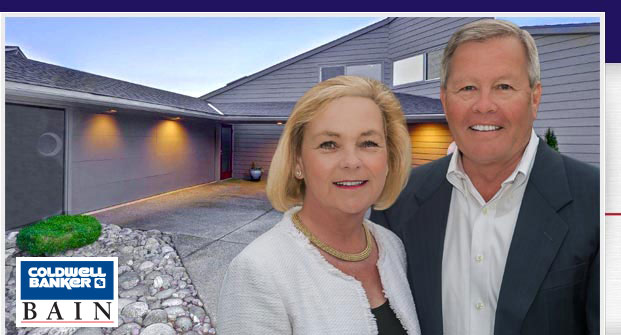



Welcome to Wangsness Connections, your connection to the finest homes and condominiums for sale in Seattle, and Seattle-Eastside communities of Bellevue, Medina, Issaquah, Clyde Hill, Capitol Hill, Madison Park, Laurelhurst, Magnolia, Queen Anne, Alki, Lake Washington, Lake Sammamish, Woodinville, and Kirkland.
View our featured properties , search for homes and condominiums for sale throughout the Seattle, Bellevue and Seattle Eastside area, check out our gallery of previously sold homes , listen to our weekly Northwest Real Estate Connections Radio Show , get access to extensive library of videos , audio and articles containing helpful buying, selling and home remodeling tips, and view upcoming Seattle area events .
Relocating to Seattle involves more than finding an attractive home online. The right property must fit your commute, lifestyle, budget, and expectations for the surrounding neighborhood. If you are moving from another state or country, you also need a trusted local professional who can turn unfamiliar streets, market conditions, and transaction rules into clear decisions.
A capable relocation real estate agent acts as your local representative before, during, and after the move. They can explain the differences between Seattle and Eastside communities, coordinate virtual showings, identify practical concerns, and keep a purchase or sale moving when you cannot be there in person.
The strongest choice is rarely based on a single listing or a polished advertisement. Look for an advisor with relevant experience, reliable communication, strong local knowledge, and a process designed around the realities of relocating.
Buying a home for a local client and assisting someone who is moving to the region require overlapping skills, but relocation adds complexity. A relocation specialist should be comfortable with remote decision-making, compressed timelines, temporary housing, school and commute considerations, and coordination with employers or relocation companies.
Ask how many incoming clients the agent has assisted recently and which areas they commonly serve. Experience should include more than Seattle proper. Bellevue, Kirkland, Redmond, Mercer Island, Issaquah, and other Eastside communities have distinct housing markets, transportation patterns, and lifestyles.
An agent who understands relocation will also help you organize the process before you arrive. They may arrange video tours, prepare neighborhood overviews, recommend inspectors and lenders, and create a realistic schedule for touring and making an offer.
Seattle-area real estate can change significantly from one neighborhood to the next. A professional who understands local inventory should be able to discuss pricing patterns, typical days on market, multiple-offer conditions, condominium rules, property taxes, and the practical effects of transit access or major employment centers.
Pay attention to the quality of the agent’s explanations. Rather than simply calling an area “good,” they should describe who tends to live there, what types of homes are available, how daily errands work, and which tradeoffs may affect your priorities. A relocating buyer needs context that listing photos cannot provide.
Local expertise also matters when selling a home before or during the move. Your representative should explain how to prepare the property, which improvements are likely to matter, how the marketing plan will reach qualified buyers, and how showings will be managed while you are elsewhere.
Property search tools are useful, but they are only one part of the service. An effective agent should add judgment to the information you can already find online. That includes identifying homes with unusual disclosures, assessing condominium documents, noticing potential maintenance concerns, and separating a promising opportunity from an attractive but unsuitable listing.
Ask for a clear explanation of the agent’s buying process. It should cover an initial consultation, financing or proof-of-funds preparation, property selection, offer strategy, inspections, contingencies, appraisal, closing, and post-closing support. Sellers should receive an equally specific outline of valuation, preparation, marketing, negotiations, and transaction management.
Client experiences can reveal whether an agent delivers on those promises. Reading client testimonials can help you see how previous buyers and sellers describe communication, local guidance, responsiveness, and results.
| What To Compare | Questions To Ask | Why It Matters |
|---|---|---|
| Relocation experience | How often do you work with out-of-area clients? | Shows whether the agent understands remote coordination and unfamiliar markets |
| Geographic knowledge | Which Seattle and Eastside neighborhoods do you serve most often? | Helps match your priorities with realistic locations |
| Communication | How will we communicate, and how quickly can we expect replies? | Reduces uncertainty when decisions must be made from a distance |
| Negotiation approach | How do you advise clients during competing offers or inspection issues? | Reveals judgment under pressure |
| Professional network | Which lenders, inspectors, contractors, and closing professionals do you recommend? | Supports a smoother transaction |
| Service after closing | What assistance is available once the keys are delivered? | Matters when you are still settling into the region |
Relocation clients often depend on their agent to notice details, explain local terminology, and respond promptly across time zones. Before signing an agreement, observe how the agent handles your initial inquiry. Do they provide a thoughtful answer, ask useful questions, and explain the next steps? Or do they immediately send generic listings without learning about your situation?
Discuss your preferred communication channels and expected response times. Some clients want scheduled video calls and detailed email summaries; others prefer text messages for quick updates. The right arrangement should be practical for both parties, especially during an active search or a fast-moving sale.
Ask how the agent will show homes if you cannot travel. Live video tours, recorded walkthroughs, floor-plan reviews, neighborhood drives, and trusted local contacts can make remote evaluation more effective. You should feel that the agent is giving you an accurate view of a property, including drawbacks, rather than simply promoting it.
A relocation agent must combine market knowledge with careful negotiation. In Seattle-area transactions, the strongest offer is not always the highest price. Financing strength, contingencies, timing, earnest money, inspection terms, and the seller’s preferred closing schedule may all affect the outcome.
Ask the agent to describe a recent negotiation without revealing confidential information. Their answer should show how they evaluate comparable sales, identify leverage, protect the client’s interests, and communicate risk. Be cautious of anyone who promises that every offer will win or every property can be purchased below asking price.
Transaction management is equally important after an offer is accepted. Your agent should track deadlines, coordinate with the lender and escrow team, explain documents, recommend appropriate inspections, and keep you informed when an issue appears. A well-managed closing is especially valuable when you are balancing a new job, temporary accommodation, and travel plans.
The best agent for a relocating executive may differ from the best fit for a growing family, an investor, or someone seeking a luxury condominium. Before interviews, identify your essential criteria: maximum budget, preferred commute, home type, outdoor access, schools, accessibility, cultural amenities, and tolerance for renovation.
Then ask each candidate how they would translate those priorities into a search strategy. A strong advisor may challenge an unrealistic assumption while offering alternatives. For example, a short commute, large yard, new construction, and a central location may require compromises in Seattle’s varied housing market.
Consider whether you want a broad team or a highly personal service model. Ask who will attend showings, handle negotiations, and answer questions when the primary agent is unavailable. Clear expectations prevent frustration once the search becomes active.
Interview at least two or three professionals before choosing representation. Prepare the same core questions for each interview so you can compare answers rather than relying on personality alone. Look for specific examples, transparent fees, realistic timelines, and a willingness to explain both opportunities and risks.
Useful questions include:
Review the representation agreement carefully before signing. Confirm the term, services, compensation, cancellation provisions, and responsibilities of each party. A professional agent should welcome these questions and give you enough time to make an informed decision.
Your final choice should leave you feeling prepared rather than pressured. The right relocation partner will make the Seattle-area market easier to understand, provide candid advice, and build a process around your move rather than around a generic sales script.
Once you have selected an agent, share your relocation timeline, employment details, financing position, and nonnegotiable needs as early as possible. Begin with a focused consultation and a neighborhood strategy, then use local expertise to turn a distant move into a confident home search. Reach out to a Seattle-area real estate professional who can guide your purchase, sale, or transition from the first conversation through closing.

Listen live to Patricia and David's radio show Northwest Real Estate Connections every Wednesday from 3-4 PM Pacific Time on AM 1300 KKOL [ Listen Live ], and 1:00 pm to 2:00 pm every Sunday on Freedom AM1590.

A unique webshow is devoted to the Art, Science and Timing of Real Estate.
View our latest show where Professional photographer Drew Rice gives tips and advice for preparing your home for a photoshoot.. | [ View Now ]
Sign up for our Email Newsletter
